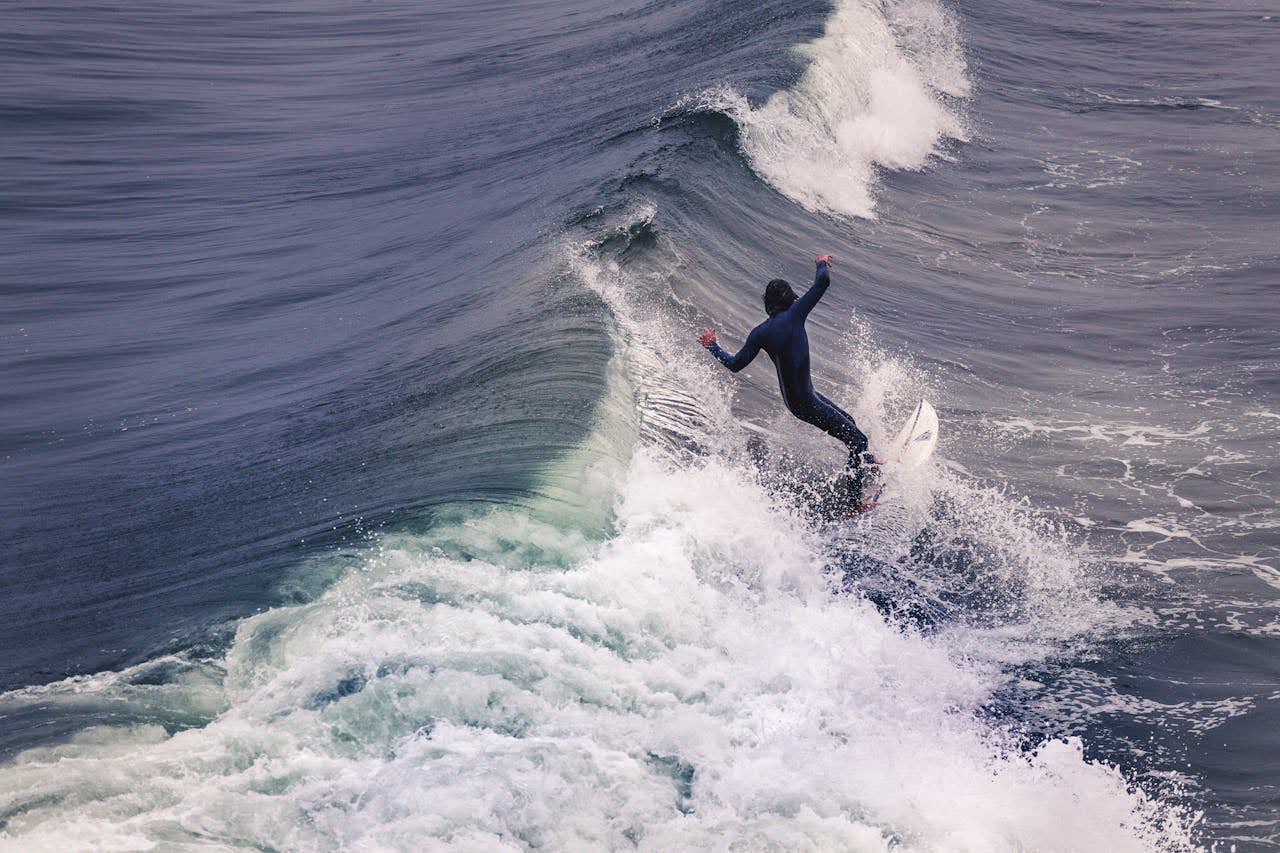
Orange County locals seeking surf therapy gravitate toward a handful of established programs that combine mental health treatment with ocean-based healing. The most frequented spots include Dana Point's Salt Water Therapy, San Clemente's therapeutic surf programs, and integrated treatment centers in San Juan Capistrano that offer surf therapy as part of comprehensive care.
This article reviews how these programs have earned trust through consistent outcomes, trained staff, and a genuine understanding of both surf culture and behavioral health needs. The question about where to go for surf therapy isn't just about location.
It's about finding programs where therapists understand wave conditions, where the ratio of participants to instructors feels safe, and where the therapeutic component extends beyond simply being in the water. Locals know the difference between a surf lesson and actual surf therapy, and they choose programs accordingly.
Understanding Surf Therapy as a Clinical Intervention
Surf therapy operates at the intersection of adventure therapy, somatic psychology, and environmental psychology. The practice uses surfing as a vehicle for therapeutic change, not as recreation with a therapist nearby. Licensed clinicians integrate ocean sessions with traditional talk therapy, creating treatment plans that address trauma, addiction, depression, and anxiety through embodied experience.
The physiological responses to cold water immersion, the requirement for present-moment awareness while reading waves, and the dopamine release from successfully riding waves all contribute to measurable therapeutic outcomes. Research shows surf therapy reduces symptoms of PTSD, improves emotional regulation, and increases treatment engagement among populations who struggle with conventional therapy settings.
What Makes Orange County Ideal for Surf Therapy
Orange County's coastline offers consistent surf conditions year-round, warm water temperatures compared to Northern California, and beaches with varying difficulty levels. This geographic advantage allows therapists to match wave conditions to client readiness and treatment goals. A beginner processing early recovery needs different conditions than someone working through combat trauma.
The county's mental health infrastructure supports surf therapy integration. Insurance networks recognize these programs, treatment centers have established relationships with surf therapy providers, and there's a cultural acceptance of alternative therapeutic modalities. South Shores Recovery offers surf therapy as part of its holistic treatment program, reflecting this broader integration of ocean-based interventions into mainstream addiction treatment.
Primary Surf Therapy Locations Locals Recommend
Dana Point Harbor and Salt Creek Beach serve as primary locations for therapeutic surf sessions. The harbor's protected waters and gradual beach break create ideal conditions for clients new to surfing or managing acute symptoms. Salt Creek offers more challenging waves for clients progressing in treatment, with enough consistency to schedule sessions reliably.
San Clemente's beaches, particularly San Onofre State Beach, provide another hub for surf therapy. The long, mellow waves and spacious lineup reduce anxiety for participants who feel overwhelmed in crowded settings. Local programs have permits allowing access during less crowded times, essential for maintaining the therapeutic container these sessions require.
How Surf Therapy Programs Differ From Surf Schools
Legitimate surf therapy programs employ licensed mental health professionals who hold additional certifications in surf therapy through organizations like the International Surf Therapy Organization. These practitioners understand contraindications, can manage psychiatric crises in aquatic environments, and design interventions that target specific treatment outcomes rather than just teaching surfing skills.
Sessions include pre-surf processing where therapists help clients set intentions and identify emotional states, in-water coaching that connects wave riding to therapeutic metaphors, and post-surf integration where experiences translate into actionable insights. This three-part structure distinguishes therapy from instruction. The surfboard becomes a tool for nervous system regulation, and the ocean becomes a co-therapist, not just a setting.
Insurance Coverage and Accessibility Considerations
Most evidence-based surf therapy in Orange County operates within licensed treatment programs where insurance covers the intervention as part of comprehensive care. TRICARE specifically recognizes surf therapy for service members and veterans when delivered by qualified providers. Finding an in-network TRICARE facility offering surf therapy for veterans requires research, but several Orange County programs maintain this credential.
Out-of-pocket surf therapy sessions exist but typically lack the clinical infrastructure needed for treating serious mental health conditions. These programs serve wellness and prevention better than acute treatment. Locals seeking therapy for diagnosed conditions prioritize programs integrated with licensed treatment centers over standalone surf offerings.
The Role of Community in Therapeutic Surf Programs
Orange County's surf therapy community extends beyond individual sessions. Many programs facilitate ongoing peer groups where participants maintain connection through shared surf meetups, alumni sessions, and mentorship opportunities. This community component addresses isolation, a primary factor in both addiction and mental health struggles.
The therapeutic relationships formed between ocean and self, and among participants, often outlast formal treatment. Locals who've completed surf therapy programs frequently return to the same beaches, creating informal support networks. Therapists encourage this continuation, recognizing that the ocean remains accessible long after treatment ends.
Matching Surf Conditions to Clinical Needs
Experienced surf therapists assess swell size, period, wind conditions, and water temperature when planning sessions. A client working through acute anxiety needs small, consistent waves and warm water. Someone building confidence after trauma might benefit from a slightly larger surf that requires committed paddling and decision-making.
This clinical judgment separates qualified programs from well-intentioned but undertrained offerings. Locals seeking surf therapy ask potential programs how they assess conditions, what their cancellation protocols look like for unsafe weather, and how they modify sessions based on participant needs. Programs that can't answer these questions specifically lack the clinical rigor needed for therapeutic outcomes.
Integration With Traditional Therapy Modalities
Effective surf therapy doesn't replace evidence-based treatments like cognitive behavioral therapy, dialectical behavior therapy, or trauma-focused interventions. It enhances them. Therapists use ocean experiences as material for processing sessions, helping clients identify patterns, practice distress tolerance, and build self-efficacy through concrete experiences.
A client might notice they hold their breath when anxious waves approach, mirroring how they constrict when facing difficult emotions on land. This somatic awareness, identified in the water, becomes workable material in traditional therapy sessions. The integration creates fuller treatment than either modality alone.
Safety Protocols and Risk Management
Qualified surf therapy programs maintain detailed safety protocols, including water rescue certification for all staff, emergency action plans specific to each beach location, and medical screening to identify contraindications. Participants undergo assessment for swimming ability, comfort in ocean environments, and any physical health factors that might complicate water-based activity.
Staff-to-participant ratios typically don't exceed one-to-four, with additional safety personnel positioned on shore. Programs carry appropriate liability insurance and maintain relationships with local emergency services. Locals evaluate potential programs by asking about these specifics, knowing that legitimate operations have clear, detailed answers.
Long-Term Outcomes and Continued Practice
Research on surf therapy shows benefits extend beyond active treatment when participants maintain an ocean connection. Orange County locals who've completed surf therapy often continue surfing independently, using skills learned in treatment to self-regulate, process emotions, and maintain recovery. The ocean becomes a long-term resource rather than a temporary intervention.
Treatment centers recognize this continuation by teaching specific practices clients can use independently, including breathwork in the water, mindfulness while paddling, and using surf sessions as check-ins with their emotional state. This skill-building approach creates sustainable results rather than dependence on therapist-led sessions.
Choosing a Qualified Surf Therapy Provider in Orange County
Locals recommend asking potential programs about staff credentials, therapeutic orientation, integration with other treatments, and outcome data. Programs should clearly articulate how they measure success beyond client satisfaction, what happens when someone struggles in the water, and how they adapt interventions for different populations.
Red flags include programs that emphasize surfing over therapy, lack licensed mental health professionals, can't describe their clinical model, or make unrealistic promises about outcomes. Surf therapy works, but it works through skilled application of therapeutic principles in an aquatic environment, not through ocean exposure alone.