




Publishers
Science & Tech • Business • Investing & Finance
Helping your small business or entrepreneurial venture get off the ground and optimized.
Interested? Want to learn more about the community?

Learn more first
Safety Tips for Trenching Operations

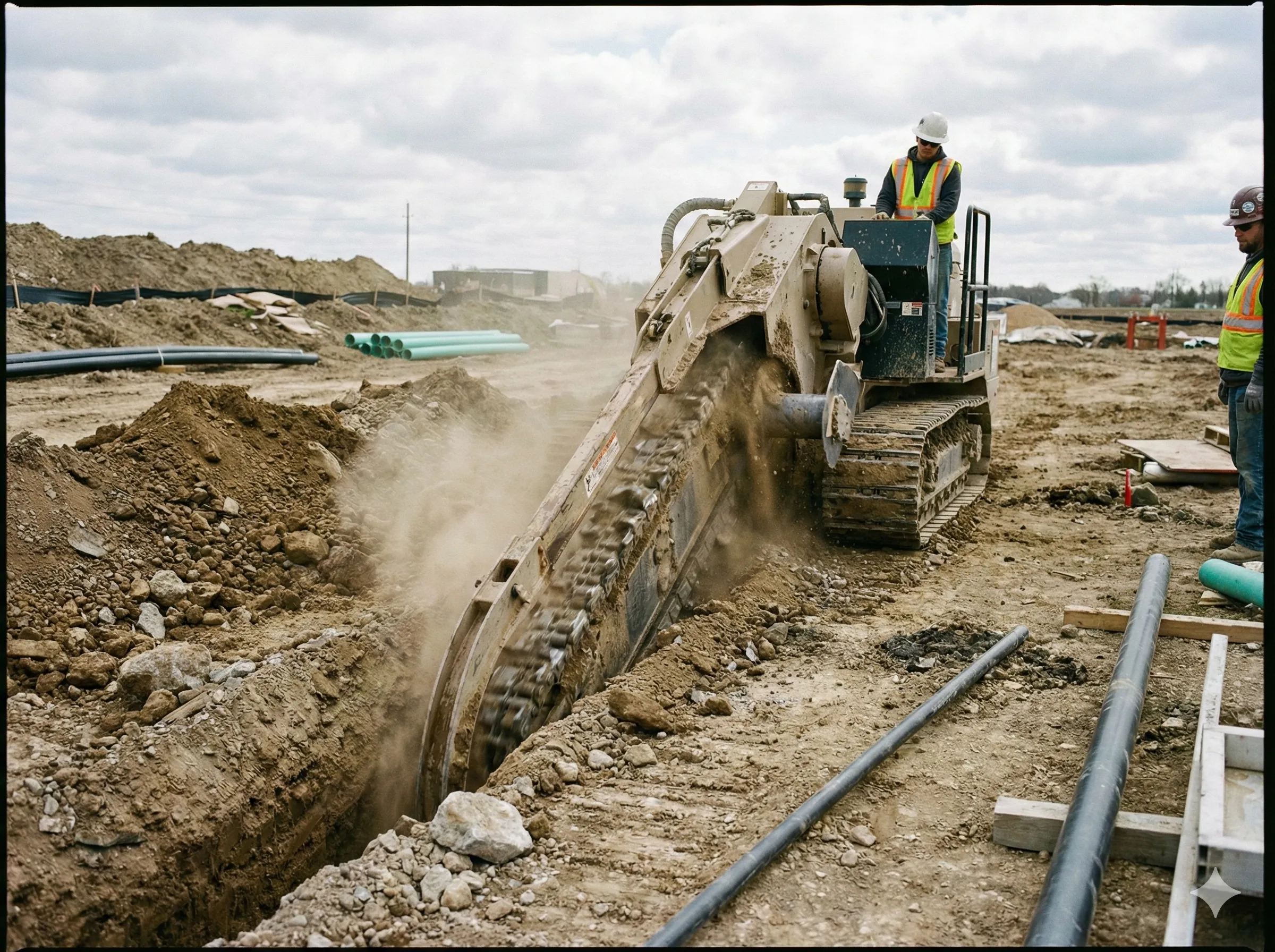
Trenching is one of the most essential—and hazardous—activities in construction, utility installation, and site development. A single cubic yard of soil can weigh more than a car, making trench collapses among the leading causes of fatalities in excavation work. Because of these risks, every trenching project must follow strict safety guidelines, proper planning, and OSHA-compliant protective systems.

https://usaconstructionrentals.com/blog/trenching-equipment-guide/

This article covers the most critical safety tips for trenching operations, helping contractors, supervisors, and workers minimize risks while improving jobsite efficiency.

1. Always Use a Competent Person on Site

OSHA requires that a competent person evaluate the trench every day and after any condition changes (rain, vibration, soil shifts).
Their responsibilities include:

Inspecting soil type

Identifying collapse risks

Checking shoring, shielding, or sloping

Inspecting for water accumulation

Ensuring safe access and egress

A trench is never considered safe unless a competent person approves it.

2. Classify the Soil Before Digging

Soil stability determines which protective system you must use. OSHA categorizes soil as:

Type A – Most stable (clay, cohesive soil)

Type B – Medium stability (silt, sandy loam)

Type C – Least stable (sand, gravel, saturated soil)

Most accidents occur because workers assume the soil is stable when it isn’t. Proper classification ensures correct use of sloping, shoring, or shielding.

3. Implement Proper Protective Systems

Any trench 5 feet or deeper requires a protective system, unless excavated in stable rock.

Three OSHA-approved protective methods:

Sloping – Cutting trench walls back at an angle

Benching – Creating steps in the trench walls

Shoring – Using hydraulic or pneumatic supports to brace walls

Shielding – Using trench boxes/shields to protect workers inside

Protective systems are non-negotiable. Even shallow trenches can collapse under unexpected loads.

4. Keep Spoil Piles at Least 2 Feet From the Edge

Excavated soil (spoil) creates pressure on trench walls. To prevent cave-ins:

Keep spoil 2 feet away

Avoid placing heavy equipment near edges

Ensure haul roads are routed safely

Extra weight near the edge significantly increases the risk of trench collapse.

5. Monitor the Atmosphere in Deep or Confined Trenches

Deep trenches and those near industrial areas may contain:

Low oxygen

Toxic gases

Combustible fumes

Use atmospheric testing equipment when trench depth or location presents a hazardous environment. Ventilation or forced-air systems may be required.

6. Provide Safe Access and Egress

OSHA requires:

Ladders, ramps, or stairways in trenches 4 feet or deeper

Egress points every 25 feet

Secure and stable ladders that extend 3 feet above landing

Quick escape is crucial in emergency situations.

7. Watch for Water Accumulation

Standing water reduces soil stability. Workers should never enter:

Trenches with visible water

Trenches experiencing seepage

Trenches after heavy rainfall until reassessed

Use pumps, dewatering systems, and diversion channels to maintain dry conditions.

8. Locate and Mark Utilities Before Excavating

Before any excavation:

Call 811 to mark underground utilities

Review plats and utility maps

Use vacuum excavation or hand tools near marked areas

This prevents gas line ruptures, electrical hazards, and service interruptions.

9. Control Equipment and Traffic Near the Trench

Vibrations from equipment and passing vehicles can destabilize trench walls.

Safety precautions include:

Establishing equipment exclusion zones

Using barricades to prevent vehicles from approaching edges

Scheduling excavation during low-traffic times when possible

10. Provide Proper PPE & Continuous Safety Training

Essential PPE for trenching includes:

Hard hats

Steel-toe boots

High-visibility vests

Safety glasses

Gloves

Daily toolbox talks and OSHA-compliant training reinforce hazard awareness and safer jobsite practices.

11. Have an Emergency Response Plan

Since trench incidents can escalate quickly, every crew must know:

Collapse response procedures

Communication channels

Emergency contact numbers

Rescue roles and responsibilities

Never attempt a rescue without proper equipment and trained personnel.

Conclusion

Safe trenching requires planning, daily inspections, proper protective systems, and constant vigilance. Most trench-related injuries and fatalities are preventable with strict adherence to OSHA standards and consistent on-site communication.

By building a safety-first culture, contractors can protect their workers, reduce liability, and ensure trenching operations run smoothly and efficiently.

Interested? Want to learn more about the community?

Learn more first
What else you may like…
Posts
Articles
How AI Is Transforming the Waste Management Business for Smarter Routing

The waste management industry is undergoing a dramatic shift thanks to artificial intelligence (AI). From optimizing trash collection routes to predicting maintenance needs for garbage trucks, AI is helping companies reduce operational costs, improve sustainability, and better serve customers. With the rapid advancement of machine learning, computer vision, and IoT (Internet of Things) technologies, AI-driven systems are no longer futuristic—they're being implemented right now in waste operations around the world.

Waste management business leaders are especially benefiting from smarter routing systems made possible by AI. Traditionally, garbage and recycling trucks followed static schedules and routes, often resulting in underfilled bins being collected or full bins being missed. Now, AI-powered systems use real-time data from sensors installed in containers, along with GPS and traffic data, to create the most efficient collection routes possible. These smart-routing algorithms not only reduce ...

post photo preview
Therapist Abuse: Know Your Rights and Why You Need a Lawyer on Your Side

Therapists play a crucial role in supporting mental health and emotional well-being. When working with a therapist, patients entrust them with their most personal experiences and vulnerabilities. Unfortunately, not all therapeutic relationships are safe or ethical. Therapist abuse can cause serious harm, and victims need to understand their rights and legal options. This article will explore what therapist abuse entails, the signs to watch for, and why having a lawyer can make all the difference in seeking justice and protection.
What Is Therapist Abuse?
Therapist abuse refers to any unethical or harmful behavior by a mental health professional toward a patient. Abuse can take many forms, including emotional, physical, sexual, or financial exploitation. Because of the inherent power imbalance in a therapist-patient relationship, abuse can be particularly damaging and complex.
Common Types of Therapist Abuse
Sexual misconduct: This includes any unwanted sexual advances, touching, or inappropriate comments made by a therapist.

Emotional manipulation: Therapists may ...

post photo preview

Video has quickly become one of the most powerful content medium in a business’s marketing toolkit. Whether you’re launching a new product, hosting a live event, or creating brand content, video helps you connect with your audience in ways no other medium can. But there’s a catch: to make great video, you need a great videographer.

And here’s where many new clients go wrong.

Hiring a videographer sounds simple—ask around, check a portfolio, sign a contract, right? Not quite. There are several critical decisions and assumptions that can turn what should be an amazing project into a frustrating (and expensive) disappointment.

In this guide, we’ll cover the top 5 mistakes clients make when hiring a videographer—and how you can avoid them to ensure a smooth, successful, and impactful production.

Mistake #1: Not Defining the Project Goals Clearly

The Problem:
A surprising number of clients approach videographers with vague objectives like “We need a cool video” or “Just make something that looks good.” While the creative freedom might sound appealing, it often leads to misaligned expectations and ...

post photo preview
Household Odor Eliminator Sprays for Everyday Living Spaces

Maintaining a fresh-smelling home is a priority for many households, particularly as living spaces are increasingly shared by families, pets, and daily activities. From kitchens and living rooms to entryways and soft furnishings, everyday odors can accumulate over time, prompting growing interest in practical household odor control solutions.

As a result, many homeowners are turning to household odor eliminator spray options designed for routine use across a variety of living spaces. These products are commonly positioned as part of regular home maintenance, supporting cleanliness and comfort without relying on strong fragrances or intensive cleaning processes.

Everyday Odor Challenges in the Home

Household odors often originate from a combination of sources, including cooking, pets, waste disposal, fabrics, and general daily use of shared spaces. While ventilation and cleaning play a critical role, odors can still linger in areas where airflow is limited or materials absorb smells over time.

An all-purpose deodorizing spray is frequently used to help manage these everyday odors between cleanings. Rather than replacing established cleaning habits, these sprays are typically incorporated as a supplemental step to help maintain a more consistent indoor environment throughout the day.

The Shift Toward Broad-Use Odor Control Solutions

In recent years, consumer preferences have shifted toward odor control products that can be used across multiple rooms and surfaces. This trend reflects a desire for simplified home care routines, where a single solution can address a variety of odor concerns without the need for multiple specialized products.

Broad-use household odor eliminator sprays are often selected for their versatility, ease of application, and suitability for frequent use. Many are designed to integrate seamlessly into everyday routines, making them a practical option for maintaining shared living spaces.

Aquelyst and Household Odor Control

Aquelyst develops odor control solutions intended for residential and everyday living environments. The company’s household-focused products are positioned to support routine odor management across common areas of the home.

Rather than emphasizing performance guarantees, Aquelyst presents its household odor solutions as part of a broader approach to maintaining comfortable living spaces. The focus is on regular use within established cleaning and home care practices, particularly in environments shared by families and pets.

All-Purpose Deodorizing Sprays in Daily Use

An all-purpose deodorizing spray is commonly applied to areas where odors tend to recur, such as fabrics, floors, waste areas, and high-traffic rooms. These products are designed to interact with odor-causing compounds rather than simply masking smells with fragrance, making them suitable for use throughout the home.

When selecting a household odor eliminator spray, consumers often consider factors such as versatility, ease of use, and compatibility with everyday living environments. Products designed for general household use are increasingly favored for their ability to address multiple odor sources with a single application method.

Room Deodorizers for Homes with Pets and Children

For many households, safety considerations play an important role in product selection. A room deodorizer safe for pets and kids is typically positioned for use in shared spaces where families spend the most time.

These products are intended to support a comfortable indoor environment without introducing harsh chemical odors into living areas. As a result, room deodorizers designed with family households in mind are often used as part of routine home care rather than occasional or emergency solutions.

Integrating Odor Control into Everyday Living

Effective odor management in the home is usually achieved through a combination of cleaning, ventilation, and targeted odor control. Household odor eliminator sprays are commonly used as a supporting tool within this layered approach, helping address everyday smells as they arise.

As living spaces continue to adapt to modern lifestyles, demand is growing for odor control products that balance broad usability with household compatibility. All-purpose deodorizing sprays and room deodorizers designed for shared environments reflect this ongoing shift toward practical, everyday odor management.

Read full Article
post photo preview
Digital Key Cabinet Market Size to Reach USD 275.26 Million by 2032, Expanding at 7.15% CAGR | SNS Insider

The Digital Key Cabinet Market is gaining steady traction as organizations increasingly prioritize security, accountability, and efficient key management. Digital key cabinets are electronic systems designed to securely store, manage, and track physical keys using authentication technologies such as PIN codes, RFID cards, biometrics, and cloud-based software. These systems are widely adopted across commercial buildings, automotive dealerships, law enforcement agencies, healthcare facilities, hospitality, and industrial sites. With rising concerns over unauthorized access, asset loss, and compliance requirements, the Digital Key Cabinet Market is evolving as a critical component of modern security infrastructure.

Digital Key Cabinet Market Size and Growth Outlook

As per the SNS Insider, The Digital Key Cabinet Market was valued at USD 148 million in 2023 and is projected to expand significantly, reaching approximately USD 275.26 million by 2032. This growth reflects a compound annual growth rate (CAGR) of 7.15% throughout the forecast period from 2024 to 2032. The market’s upward trajectory is driven by increasing demand for automated key management systems, growing adoption across multiple end-use industries, and the integration of advanced digital technologies that enhance monitoring, reporting, and access control capabilities.

Key Drivers Fueling the Digital Key Cabinet Market

Several factors are propelling the Digital Key Cabinet Market forward. One of the primary drivers is the growing emphasis on security and risk mitigation. Organizations handling sensitive assets, vehicles, or restricted facilities require reliable systems that reduce human error and prevent key misuse. Digital key cabinets offer real-time tracking, audit trails, and automated access logs, which significantly enhance operational transparency. Additionally, regulatory compliance requirements in sectors such as healthcare, aviation, and government facilities are encouraging the adoption of advanced key management solutions.

Technological Advancements in the Digital Key Cabinet Market

Technological innovation plays a pivotal role in shaping the Digital Key Cabinet Market. Modern digital key cabinets are increasingly integrated with cloud platforms, Internet of Things (IoT) connectivity, and centralized management software. These features enable remote monitoring, predictive maintenance, and seamless integration with existing security systems. Biometric authentication, including fingerprint and facial recognition, is further enhancing system reliability. Such advancements not only improve security but also reduce administrative burden, making digital key cabinets a cost-effective long-term investment.

Applications Driving Demand in the Digital Key Cabinet Market

The Digital Key Cabinet Market serves a wide range of applications across diverse industries. In the automotive sector, dealerships and fleet operators rely on digital key cabinets to manage vehicle keys efficiently and prevent losses. In hospitality, hotels use these systems to secure staff-access keys and maintenance areas. Healthcare facilities adopt digital key cabinets to protect restricted zones and pharmaceutical storage areas. Law enforcement agencies and correctional facilities also depend on these systems to maintain strict access control and accountability.

Regional Insights into the Digital Key Cabinet Market

From a regional perspective, the Digital Key Cabinet Market shows varied growth patterns. North America currently holds a significant share due to early adoption of advanced security technologies and strong presence of key market players. Europe follows closely, driven by stringent regulatory frameworks and high demand from commercial and public infrastructure sectors. Meanwhile, the Asia-Pacific region is expected to witness the fastest growth over the forecast period, supported by rapid urbanization, expanding industrial activity, and increasing investments in smart infrastructure and security solutions.

Competitive Landscape of the Digital Key Cabinet Market

The Digital Key Cabinet Market is moderately competitive, with several established and emerging players focusing on product innovation and strategic partnerships. Companies are investing in research and development to enhance system features, improve user interfaces, and integrate advanced authentication methods. Customization and scalability have become key differentiators, as end users seek solutions tailored to their specific operational needs. Mergers, acquisitions, and collaborations are also shaping the competitive dynamics, enabling companies to expand their geographic reach and product portfolios.

Challenges and Opportunities in the Digital Key Cabinet Market

Despite its growth potential, the Digital Key Cabinet Market faces certain challenges. High initial installation costs and integration complexities can act as barriers, particularly for small and medium-sized enterprises. Additionally, concerns related to cybersecurity and data privacy may affect adoption rates. However, these challenges also present opportunities for innovation. Vendors offering modular, cloud-based, and cost-effective solutions are well-positioned to capture untapped market segments. As awareness grows regarding the long-term benefits of digital key management, adoption is expected to accelerate.

Future Outlook of the Digital Key Cabinet Market

Looking ahead, the Digital Key Cabinet Market is poised for sustained expansion. The increasing convergence of physical security and digital technologies will continue to redefine key management practices. As organizations transition toward smart buildings and automated facilities, digital key cabinets will play an essential role in ensuring secure and efficient operations. Continuous advancements in software analytics, artificial intelligence, and remote access capabilities are expected to further strengthen the market’s growth prospects through 2032.

Frequently Asked Questions (FAQs)

Q1. What is the CAGR of the Digital Key Cabinet Market during the forecast period?
The Digital Key Cabinet Market is expected to grow at a compound annual growth rate (CAGR) of 7.15% during the forecast period from 2024 to 2032.

Q2. What is the forecasted market size of the Digital Key Cabinet Market by 2032?
By 2032, the Digital Key Cabinet Market is projected to reach approximately USD 275.26 million, up from USD 148 million in 2023.

Q3. Which region is expected to witness the fastest growth in the Digital Key Cabinet Market?

The Asia-Pacific region is anticipated to experience the fastest growth due to rapid industrialization, urban development, and increasing adoption of advanced security solutions.

Read full Article
post photo preview
Mauricio Pincheira: Guiding Industrial Growth Through Strategic Vision and Operational Discipline

A Leader Driving Performance Across North America

Across a career spanning more than twenty-five years, Mauricio Pincheira has become a respected executive voice in the automotive and energy sectors. His professional journey reflects a deep understanding of industrial systems, global operations, and organizational transformation. Today he leads the Automotive and Industrial business for The Chemico Group, a two-hundred-million-dollar enterprise operating across the United States, Canada, and Mexico. With full P&L responsibility, he oversees a team of eight hundred employees and guides one of the largest minority-owned chemical management organizations in North America through ongoing growth and modernization.

His leadership is defined by a combination of analytical rigor, operational awareness, and a commitment to measurable performance. Whether navigating market shifts or driving internal improvement, Mauricio Pincheira brings a strategic discipline that strengthens long-term resilience.


Foundation in Engineering and Manufacturing

His path began with a strong technical foundation rooted in mechanical engineering and advanced manufacturing systems. After earning a Bachelor of Science in Mechanical Engineering from Purdue University and a Master of Science in Manufacturing Management from Kettering University, Mauricio Pincheira entered the automotive sector at a time when global manufacturing networks were rapidly evolving. His early career at General Motors placed him at the center of large-scale manufacturing environments where operational efficiency, quality control, and organizational alignment were essential.

At GM he led major manufacturing and corporate operations, gaining direct experience in production systems, cross-functional collaboration, and enterprise-wide improvement initiatives. These roles strengthened his expertise in lean methodologies and engineering-driven transformation. As a certified Six Sigma Master Black Belt and Project Management Professional, Mauricio Pincheira has long applied structured problem-solving techniques to create sustainable improvements and build high-performing teams.

Expanding Capabilities Through Private Equity

In addition to his corporate experience, he held significant leadership positions in the private equity sector. There Mauricio Pincheira led North American operations for a global battery manufacturer, managing large teams and navigating complex business transformations. He contributed to M&A strategies, organizational restructuring, and operational integrations, reinforcing his ability to align financial objectives with engineering and manufacturing realities.

This combination of technical expertise and financial acumen expanded his perspective as an executive. It enabled him to evaluate businesses holistically, balancing short-term performance expectations with long-term strategic value. His work in private equity also deepened his understanding of capital allocation, risk management, and cross-border growth.

Leading Chemico’s Automotive and Industrial Division

In his current role at The Chemico Group, Mauricio Pincheira oversees a diverse business portfolio serving major automotive and industrial clients. The company’s scale and geographic reach require a leadership model grounded in operational clarity, disciplined resource management, and a commitment to continuous improvement. His focus includes optimizing supply chain performance, strengthening customer partnerships, and enhancing the organization’s internal processes to support long-term growth.

As the business continues to evolve within competitive and technology-driven markets, his experience guiding complex manufacturing systems provides a strategic advantage. The combination of operational precision and a forward-looking mindset defines the added value he brings to Chemico’s leadership team.

Building a Culture of Innovation and Accountability

Throughout his career, Mauricio Pincheira has emphasized the importance of accountability, transparency, and data-supported decision-making. His leadership style empowers teams to take ownership of results while fostering collaboration across functional areas. He prioritizes systems that reinforce quality, safety, and operational consistency, recognizing that organizations thrive when people clearly understand expectations and pathways to improvement.

He also brings a global perspective shaped by extensive cross-border work in the United States, Mexico, Canada, and international markets. From leading greenfield startups to overseeing multinational teams, Mauricio Pincheira understands how to align diverse cultures and workforces under a unified strategy. His bilingual fluency in English and Spanish strengthens these efforts and supports collaboration throughout North America.

Commitment to Community and Opportunity

Beyond his professional responsibilities, Mauricio Pincheira has built a legacy of service and community engagement. He is a long-standing advocate for STEM education, supporting programs that expand access for underrepresented youth. His belief in empowering the next generation of engineers and business leaders reflects both his personal values and his understanding of workforce development.

His commitment extends to second-chance initiatives as well. As a board member of Just Cause, he contributes to programs that help individuals transition from incarceration into productive careers and stable community life. This work highlights his belief that leadership includes responsibility to society and that opportunity should be accessible to all.

He has also served as president of the SHPE Detroit Chapter, guided the GM Latino Network, and supported the Detroit Hispanic Development Corporation through board-level involvement. These roles reflect a sustained commitment to strengthening Hispanic leadership pipelines and enhancing community representation. In recognition of his impact, Mauricio Pincheira received the HACR Young Hispanic Corporate Achievers Award in 2012.

Education and Expertise Supporting Long-Term Vision

His academic accomplishments and professional certifications reinforce his ability to lead in complex environments. His engineering and manufacturing management degrees provide a foundation for understanding the technical dynamics of industrial systems, while his Six Sigma and PMP certifications support structured, measurable performance improvement.

This blend of technical depth and leadership experience positions Mauricio Pincheira to contribute meaningfully to industries experiencing rapid change. From electrification to advanced materials to supply chain modernization, the sectors he serves continue to evolve, and he remains a trusted guide through these transitions.

Looking Ahead

As markets shift and industrial companies navigate new technological landscapes, Mauricio Pincheira continues to shape strategies that balance innovation with operational stability. His career reflects a consistent ability to lead organizations through change while sustaining focus on long-term value.

What stands out across his professional and community work is a commitment to disciplined execution, strategic clarity, and meaningful impact. His leadership demonstrates how technical knowledge, global perspective, and social responsibility can align to strengthen both organizations and communities.

In every chapter of his career, Mauricio Pincheira continues to illustrate what it means to lead with purpose and to build systems that support both performance and opportunity.

Read full Article
Available on mobile and TV devices
google store google store app store app store
google store google store app tv store app tv store amazon store amazon store roku store roku store
Powered by Locals