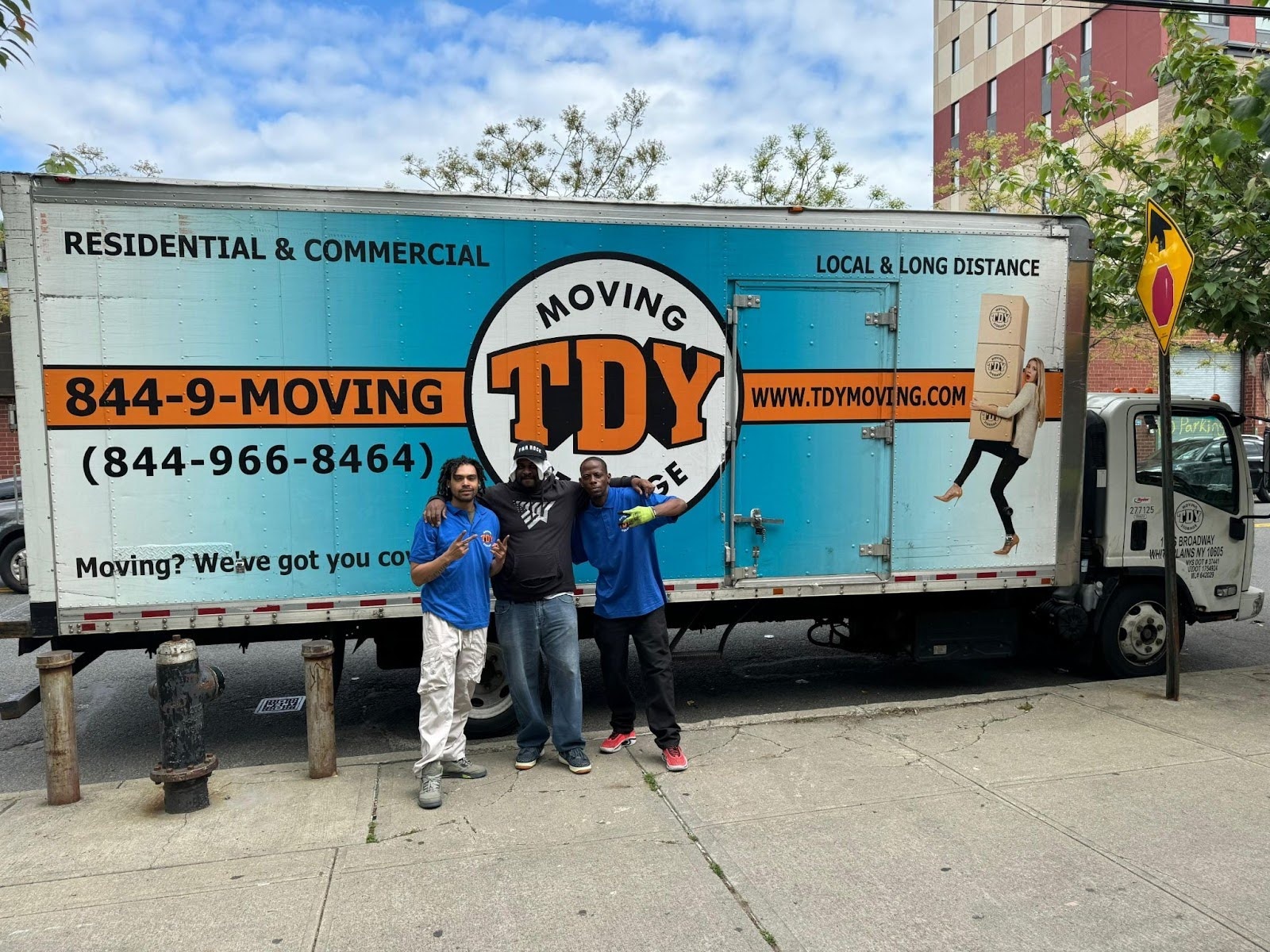
For most companies, the biggest risk in an office move is not the transportation itself. It is the disruption that happens when employees cannot work normally, systems are unavailable, or the new space is not ready when the business needs it. In New York City, where building access, freight elevators, loading schedules, traffic, and timing all affect the moving process, downtime can grow quickly if the relocation is not planned around operations from the beginning.
An NYC office move should not be treated as a simple change of address. It is an operational transition. The businesses that manage it best are usually the ones that focus less on moving fast and more on staying functional. When the relocation is planned carefully, downtime can be reduced significantly and the business can settle into the new space with far less disruption.
Downtime usually starts with poor coordination
A lot of businesses think downtime begins when desks are disconnected and the truck arrives. In reality, downtime often starts earlier. It begins when there is no clear timeline, when teams are unsure what they are responsible for, when the new office is not ready for setup, or when building access has not been fully confirmed.
That is why reducing downtime starts well before moving day. The company should know which parts of the business need to remain active until the very end, which teams can transition first, and what must be functional immediately in the new location. Without that structure, the move becomes reactive, and reactive moves almost always create more disruption.
Schedule the move around business priorities
The best moving date is not always the most convenient one on the calendar. It is the one that causes the least disruption to the company’s actual workflow. Some businesses do best moving after hours or over a weekend. Others need a phased move that allows key departments to remain active during the transition.
Before finalizing the schedule, businesses should think about peak work periods, client obligations, internal deadlines, and team availability. If the move is planned during a high-pressure period, even a smooth physical relocation can create unnecessary operational strain.
A better schedule supports the business first and the move second.
Confirm building access at both locations early
In New York City, office buildings often control the pace of a move more than the business itself. Freight elevator reservations, loading dock availability, certificates of insurance, security procedures, approved moving hours, and access restrictions are all common parts of commercial relocations.
If either building has a narrow moving window, the entire schedule needs to be built around it. If paperwork is missing or the elevator has not been properly reserved, delays can start before the move even begins. Those delays often lead directly to lost work time.
For that reason, businesses trying to reduce downtime should treat building coordination as a major operational priority, not just an administrative task.
Know what needs to stay active until the last minute
One of the most effective ways to reduce downtime is to identify which parts of the business cannot go offline too early. That may include customer service phones, internet access, internal software, shared printers, front-desk operations, or specific employee workstations.
When businesses know what must remain active, they can avoid disconnecting or relocating essential systems too soon. This also helps determine what should move first and what should move last. A relocation becomes much easier to manage when it is sequenced around the company’s real operational needs.
The goal is not to shut everything down at once. It is to protect the functions the business still depends on.
Technology planning is one of the biggest factors
For many offices, downtime is less about furniture and more about technology. If computers, internet service, phones, shared systems, and internal networks are not ready, employees may be physically present in the new office but unable to work productively.
That is why businesses should plan technology early. Internet service should be confirmed in advance. Workstation setup should be thought through before the move. Shared systems and equipment should be prioritized based on what teams need most. If certain devices or departments are essential on day one, that should shape the entire moving sequence.
A company can recover from a delayed bookshelf. It is much harder to recover from a workday lost to disconnected systems.
Communicate clearly with employees
Downtime increases when employees are uncertain about what is happening. Staff should know the moving timeline, whether they are expected to work remotely during part of the transition, what they need to prepare in advance, and what kind of functionality to expect in the new office right away.
Clear communication does not just keep people informed. It also reduces wasted time. Employees who know the plan are less likely to duplicate work, pack the wrong things too early, or arrive unprepared for the transition.
This is one reason many companies turn to experienced New York City movers when coordinating office relocations, especially when business continuity depends on careful timing, access planning, and minimal disruption to the workday.
Prioritize first-day functionality
Many businesses focus heavily on moving day but not enough on what happens after arrival. The move is not complete when the last item is unloaded. It is complete when the office can function again.
That means the company should know exactly what needs to be ready on day one. This may include internet, phones, front-desk operations, key employee workstations, meeting spaces, or shared devices. A business that prepares for first-day functionality can get back to work faster than one that waits to organize the new office after the move is over.
Reducing downtime depends on reopening with purpose, not just arriving.
Use a phased approach when needed
Not every office move has to happen all at once. In some cases, a phased relocation is the smartest way to reduce disruption. Nonessential items can move first, lower-priority departments can transition in stages, and critical operations can remain active until the final phase.
This approach is especially useful for businesses with customer-facing responsibilities, shared technical systems, or teams that cannot afford to be offline at the same time. A phased move may require more planning, but it often results in less downtime and a more controlled transition.
For many NYC companies, that tradeoff is worth it.
Think beyond the truck
A lot of downtime problems have nothing to do with the actual act of moving furniture. They come from missed communication, poor sequencing, unrealistic timing, and failure to plan for how the business operates after the move.
That is why companies should think about the full process: building access, employee readiness, technology setup, operational priorities, and first-day expectations. When those parts are aligned, the move becomes easier to manage and less likely to interrupt workflow.
The truck matters, but the plan matters more.
Final thoughts
Businesses can reduce downtime during an NYC office move by planning around operations instead of treating the relocation as a simple transportation task. Building coordination, technology setup, employee communication, realistic scheduling, and first-day readiness all play a role in how quickly the company can return to normal.
In New York City, where office moves are shaped by logistics at every stage, the smoothest transitions are usually the ones built around continuity. When the move is structured properly, the business can relocate with less disruption, less confusion, and a much faster return to productivity.