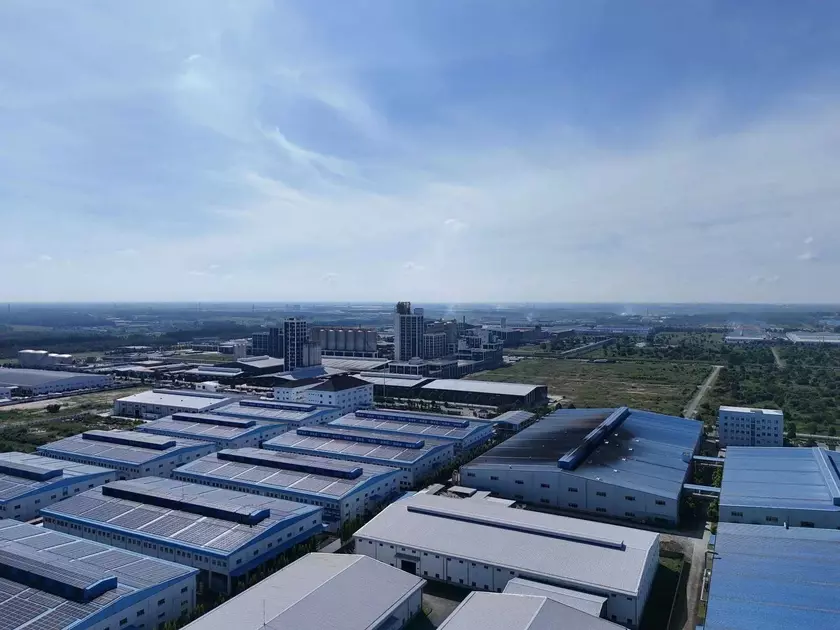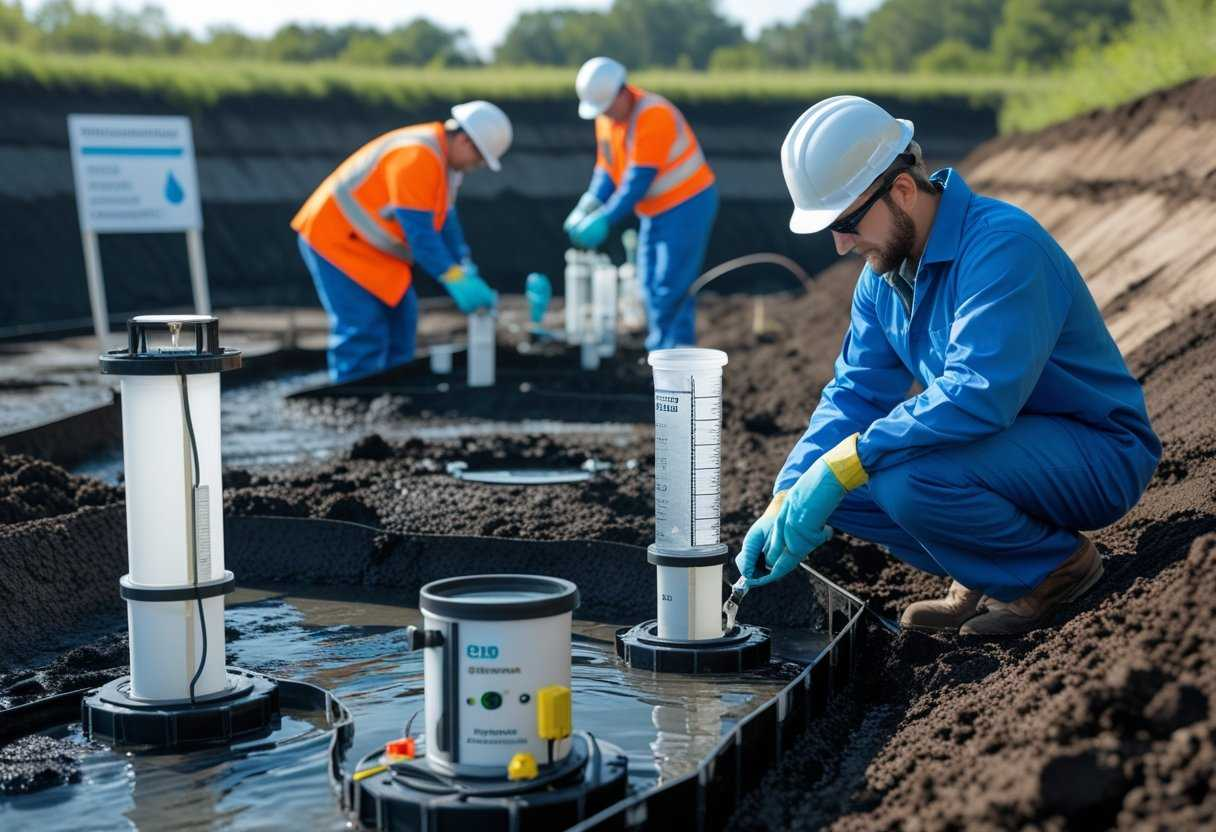
Industrial and environmental sites face increasing challenges in managing contamination, vapor emissions, hydrocarbon impacts, and other persistent environmental liabilities. These issues often arise under strict regulatory oversight, requiring advanced, site-specific solutions. As an environmental remediation technology company, Remedia Global provides structured, science-based approaches that help assess and reduce environmental risk through engineered remediation systems. With specialized capabilities in environmental remediation services, the company supports a broad range of remediation scenarios across various sectors and geographies, delivering technical consulting and field-based implementation grounded in environmental science and engineering.
Environmental remediation is the process of reducing, removing, or managing contaminants from soil, groundwater, and air to protect human health and the environment. It involves the deployment of engineered technologies and structured methodologies designed to control or neutralize pollutants such as hydrocarbons, vapors, and industrial emissions. Rather than being a single product, remediation is a process-driven intervention tailored to site-specific conditions. This often includes the integration of field equipment, treatment agents, and performance monitoring. Remediation projects are typically guided by regulatory frameworks and technical standards to ensure effective environmental risk management.
Source Control
The first step in remediation focuses on identifying and isolating the source of contamination. This may involve intercepting vapor pathways, excavating impacted materials, or applying control barriers to prevent further release.
Containment and Stabilization
Once sources are managed, containment techniques are applied to prevent migration of contaminants. This can include physical barriers, chemical stabilization, or subsurface structures that control how contaminants move through soil or water.
Treatment and Mitigation
Treatment strategies target the reduction or neutralization of pollutants through chemical, biological, or physical processes. Systems are designed to work in situ (within the ground) or ex situ (after excavation), depending on site complexity. Remedia Global applies these principles within a structured remediation framework that aligns with engineering, compliance, and stakeholder requirements.
Remediation systems typically comprise three core elements that function together to manage contamination. Application and delivery systems control how treatment agents are introduced into the subsurface or emission zones. These systems are engineered for precision and scalability. Treatment agents or formulations are selected based on site conditions and target compounds, supporting effective remediation without introducing new risks. Monitoring and support infrastructure provides data on system performance, environmental response, and compliance status. At Remedia Global, the focus is on integrating these components into complete remediation solutions suited to both regulated and industrial environments.
Remedia Global is a technology-based environmental remediation company with a focus on developing and implementing engineered systems for contaminated sites. Founded in 2006, the company operates across the United States and Canada, with strategic involvement in projects throughout Europe, Latin America, and the Middle East. The organization provides consulting and technical implementation services for both private and public-sector clients. With its foundation in environmental engineering and applied sciences, Remedia Global delivers integrated system designs that address complex environmental conditions. It collaborates closely with environmental remediation consulting teams, regulators, and site owners to support the safe management of soil, vapor, and groundwater impacts.
Remedia Global designs and deploys remediation systems tailored to site-specific conditions and contaminant profiles. These systems may address vapor intrusion, hydrocarbon contamination, persistent odors, and complex industrial emissions. Technologies offered include passive and active venting systems, in situ chemical treatment, vapor mitigation, and pressure-driven delivery methods. Systems are constructed using modular components and can be integrated into existing site infrastructure or new developments. Remedia’s solutions are engineered for flexibility, supporting applications in regulated facilities, urban developments, and legacy industrial sites. Operationally, systems include field monitoring features and maintenance-ready configurations to ensure consistent environmental performance and compliance.
One example of Remedia Global’s technology offerings includes vapor intrusion mitigation systems, which are designed to prevent subsurface contaminants from entering occupied buildings. These systems typically consist of subsurface barriers, venting layers, and mechanical components that manage vapor flow and pressure. Another category includes in situ remediation solutions where chemical agents are delivered directly into the subsurface to degrade or immobilize pollutants. For above-ground contamination, the company also offers engineered odor control systems that address emissions from process facilities, tank farms, and land remediation projects. Each system is developed to meet site-specific regulatory and engineering requirements and is supported by technical documentation and project planning resources.
Assessment and Planning
Each remediation project begins with a comprehensive site assessment that identifies contaminant types, pathways, and regulatory constraints. Remedia Global collaborates with environmental consultants, site engineers, and regulatory stakeholders to develop a system design tailored to site conditions.
Deployment and Implementation
Following planning, remediation systems are installed using engineered application methods suited to the project environment—ranging from subsurface injection to surface-level vapor controls. Components are modular and adaptable, facilitating integration into both new and existing infrastructure.
Monitoring and Operational Considerations
Once operational, systems are monitored using on-site instrumentation to assess environmental conditions, system function, and regulatory compliance. Remedia provides field support and system oversight to ensure ongoing alignment with environmental goals and operational safety requirements.
Remedia Global’s technologies are applied across a wide range of regulated and industrial environments. In manufacturing and processing facilities, systems are used to manage vapor emissions and subsurface hydrocarbon impacts. Hydrocarbon-impacted sites, including fuel terminals and legacy brownfields, may utilize in situ chemical treatment systems or vapor recovery infrastructure. Waste management and material transfer locations benefit from engineered odor control and emissions mitigation systems tailored to open-air or enclosed operations. For environmental restoration efforts, including compliance-driven redevelopment projects, Remedia provides integrated remediation systems designed to meet jurisdictional standards and site-specific environmental plans. These use cases span sectors such as real estate development, utilities, public works, and infrastructure, where engineered environmental management is a critical planning component.
Remedia Global designs its systems with attention to environmental handling and regulatory compliance from the outset. All solutions are configured for compatibility with jurisdictional guidelines and permitting frameworks, supporting alignment with environmental regulations across various regions. Application methods are selected based on subsurface conditions, vapor pressures, site access, and operational safety factors. While system designs prioritize minimal environmental disruption, installation may be subject to site limitations and logistical constraints. As part of its planning approach, Remedia incorporates sustainable engineering practices where feasible, with an emphasis on long-term risk management, material reusability, and site stewardship within the environmental remediation consulting process.
Remedia Global remediation systems are designed for compatibility with both existing infrastructure and new construction environments. Deployment logistics are planned in collaboration with site stakeholders, ensuring alignment with project timelines, access limitations, and construction phases. Systems are typically modular, allowing phased installation or retrofit within confined or occupied sites. Storage and handling procedures are guided by product documentation and field protocols to ensure safety and compliance. Ongoing support includes maintenance access, component inspection routines, and optional field assistance. The company provides operational documentation to support site teams throughout the system lifecycle, from setup to sustained use.
Frequently Asked Questions (FAQs)
What is environmental remediation?
Environmental remediation refers to the process of removing, reducing, or managing environmental contaminants in soil, groundwater, or air to protect health and comply with regulatory standards.
What types of sites typically require remediation?
Remediation is applied in industrial facilities, brownfields, hydrocarbon-impacted sites, landfills, waste transfer areas, and redevelopment zones where environmental risks must be managed or mitigated.
Are there safety considerations for installation and operation?
Yes. System designs and handling protocols follow engineering safety standards. Field personnel are guided by documentation that outlines safe material storage, deployment, and maintenance practices.
What infrastructure is required to support remediation systems?
Most systems are modular and adaptable, requiring access for installation, power (if active), and space for monitoring and maintenance. Compatibility is assessed during project planning.
How do these technologies differ from traditional approaches?
Unlike barrier-only or excavation-based methods, Remedia Global systems often integrate engineered treatment and control processes, offering non-invasive or in situ alternatives where appropriate.
What is the environmental impact of these systems?
Systems are designed with sustainability in mind. While installation may temporarily disturb the site, operational designs prioritize low emissions, reuse of materials, and long-term environmental stewardship.
Remedia Global continues to provide technical and engineering support to clients navigating complex environmental remediation challenges. Through collaboration with environmental consultants, regulatory bodies, and site owners, the company delivers tailored remediation systems grounded in established science and engineering practices. Each system is developed to address specific environmental conditions and is supported by documentation, deployment planning, and lifecycle service options. With operational experience across North America, Latin America, Europe, and the Middle East, Remedia maintains a focus on regulatory alignment, site compatibility, and structured project execution. The company’s approach reflects a commitment to responsible environmental stewardship and ongoing engagement in industrial and regulated environments requiring long-term remediation planning.
Remedia Global operates at the intersection of environmental engineering, regulatory compliance, and site-specific risk management. By combining technical consulting with engineered system deployment, the company supports remediation efforts that address complex environmental conditions across diverse industries and geographies. Its work emphasizes structured planning, measurable performance, and long-term site compatibility, reflecting the evolving demands placed on environmental remediation projects. As regulatory frameworks continue to shape how contaminated sites are managed and redeveloped, Remedia Global remains engaged in delivering technically sound solutions that align with established standards, operational realities, and responsible environmental practices.