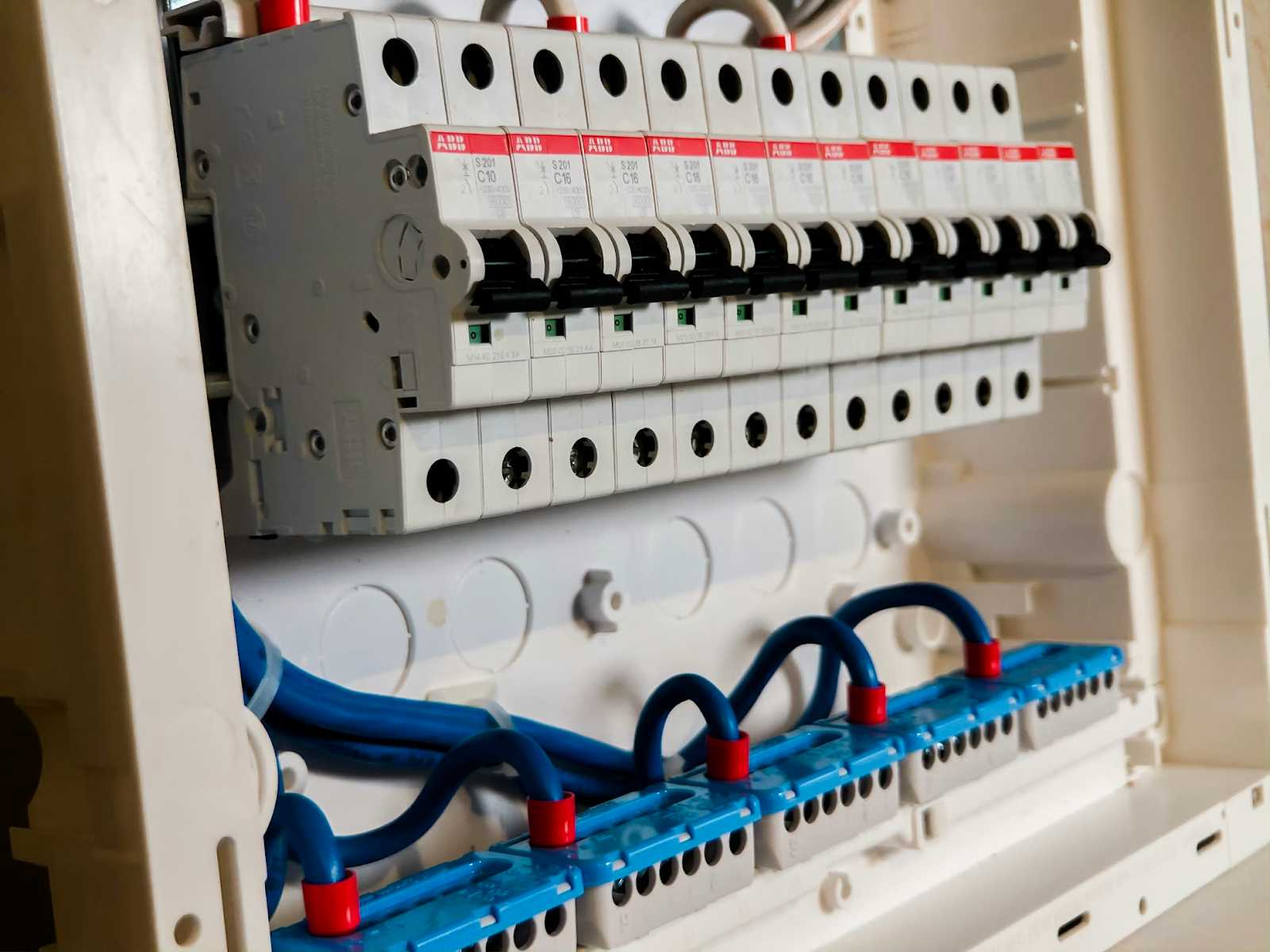
Wholesale electrical equipment suppliers can make or break a project timeline. When everything arrives on time and matches spec, procurement feels like a smooth background process. When a critical component is delayed, substituted, or out of stock, the entire job can stall—often with labor waiting and deadlines slipping. That’s why choosing among wholesale electrical equipment suppliers should be treated as a strategic decision, not just a quick price comparison. The best suppliers don’t only sell products in bulk; they help buyers manage risk through reliable inventory, transparent lead times, and consistent service.
In this guide, you’ll learn how to compare wholesale electrical equipment suppliers in a practical way, focusing on pricing, product range, and the reliability factors that matter most in real-world procurement.
Pricing: the difference between “cheap” and “cost-effective”
The first thing most buyers compare is price, but with wholesale electrical equipment suppliers, the lowest quote isn’t always the lowest cost. Price only becomes meaningful when you understand what it includes and what it might trigger later. Some suppliers offer strong unit pricing but charge higher freight costs, apply handling fees, or have less flexible delivery options. Others may offer excellent introductory pricing but provide inconsistent availability, which forces you into last-minute substitutions or emergency shipping.
A useful way to evaluate pricing is to think in terms of total delivered cost. That means looking at the unit price plus shipping, plus any fees, plus the cost of delays if the supplier’s fulfillment is inconsistent. In electrical work, delays can be expensive because labor time is often far more costly than parts. A supplier who delivers consistently can save more money than a supplier who offers the cheapest quote but causes downtime.
It’s also worth understanding how pricing tiers work. Many wholesale electrical equipment suppliers offer tiered pricing based on volume, frequency of purchase, or account terms. If you expect repeat purchasing, ask whether the supplier offers project pricing, contracted rates, or better discounts for consolidated ordering. You may also benefit from net payment terms, especially if you’re buying for ongoing projects. Over time, predictable terms and stable pricing can be more valuable than chasing one-time deals.
Product range: why the catalog matters less than the right inventory
A massive online catalog can look impressive, but catalog size isn’t the same as real availability. When comparing wholesale electrical equipment suppliers, what matters is whether the supplier consistently stocks the products you actually use and whether they can source specialty items quickly when required.
Product range is best evaluated through your typical bill of materials. Think about the categories you buy repeatedly—breakers, conduit, fittings, wire and cable, panels, enclosures, connectors, lighting components, safety products, and control gear. A strong supplier should have depth in those categories, meaning they can offer multiple options across major manufacturers, as well as the accessories and compatible components that prevent last-minute procurement gaps.
It also helps to evaluate how suppliers handle substitutions. In some cases, substitutions are acceptable if they meet spec and code requirements. In other cases, they create compliance issues or compatibility problems. A reliable supplier will confirm substitutions clearly rather than quietly swapping items. Wholesale electrical equipment suppliers who understand professional procurement know that an unapproved substitution can create rework, failed inspections, or performance issues later.
Reliability: the factor that protects your schedule
Reliability is what separates a decent supplier from a supplier you can build around. With wholesale electrical equipment suppliers, reliability shows up in three places: fulfillment accuracy, lead time transparency, and problem resolution.
Fulfillment accuracy means you receive the correct part numbers, quantities, and configurations, packed properly and delivered to the right location. Errors happen everywhere, but the best suppliers reduce errors through checks and clear processes. Lead time transparency matters because a supplier’s job isn’t just to sell you something; it’s to tell you realistically when it will arrive. Optimistic delivery estimates that collapse later are often worse than honest timelines upfront because they prevent effective planning.
Problem resolution becomes critical when something goes wrong, as it sometimes will. A supplier’s value is revealed by how quickly they resolve damaged shipments, incorrect items, backorders, or missing components. Reliable wholesale electrical equipment suppliers have clear return policies, responsive support, and the ability to ship replacements quickly without turning the process into a drawn-out dispute.
Evaluating supplier credibility and product quality
Electrical equipment purchasing isn’t like buying office supplies. Quality and compliance matter. Buyers should feel confident that the products they receive are legitimate, properly documented, and suitable for the intended use. When comparing wholesale electrical equipment suppliers, pay attention to whether they provide transparent manufacturer information, datasheets, warranty support, and compliance documentation when needed.
If pricing seems unusually low compared to the market, it’s worth verifying source channels. Legitimate suppliers typically work through authorized distribution networks and can provide product documentation without hesitation. In high-stakes categories, the risk of nonconforming parts is simply not worth the apparent savings.
Service capabilities that matter for professional buyers
Beyond products, wholesale electrical equipment suppliers often differentiate through services. Some offer project quoting and support that helps you plan costs and availability for an entire job. Others provide staging and phased delivery, which can be extremely valuable for larger projects because it reduces on-site storage needs and ensures critical items arrive in the right order. Some suppliers offer local pickup or same-day delivery, which matters when downtime is expensive.
If you manage multiple sites, ask whether the supplier can handle multi-location shipping reliably and whether they can support standardized purchasing across teams. Consistency across sites can reduce procurement confusion and improve cost tracking.
Closing thoughts
Comparing wholesale electrical equipment suppliers is not just about finding the lowest unit price. The best supplier relationship is one that protects your timeline and reduces risk through accurate fulfillment, realistic lead times, and dependable support. Pricing should be evaluated as total delivered cost, product range should be judged by real inventory depth in the categories you use most, and reliability should be tested through transparency and responsiveness. When you choose wholesale electrical equipment suppliers using these priorities, you gain more than bulk pricing—you gain stability, fewer procurement emergencies, and a smoother path from planning to installation.