Medical waste disposal plays an important role in protecting the health of communities and preserving environmental safety, especially with over 3 million tons of medical waste being produced in the United States yearly. Healthcare facilities can produce 6,600 metric tons of waste daily, making healthcare the second largest industry creating waste in landfills. Improper handling of medical waste can lead to serious financial and safety issues for healthcare organizations, such as heavy fines and exposure to dangerous pathogens.
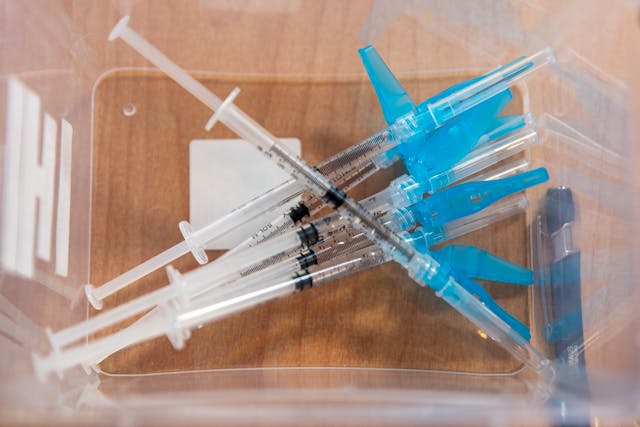
There are various kinds of medical waste that need to be accounted for. Sharps is one of the largest categories. It includes needles, scalpels, syringes, and broken glass. Unused or expired pharmaceuticals include prescription and over-the-counter medications while hazardous substances encompass mercury, blood, and cleaning sterilants. Trace chemotherapeutic materials and controlled substances are other medical waste products that need to be handled carefully to reduce health and environmental risks.
About 15% of medical waste is considered hazardous due to it being infectious, toxic, or radioactive. That is why hazardous waste is disposed of using a steam autoclave or incineration to effectively destroy dangerous pathogens and infectious agents.
Medical waste can also be produced at home, which is usually discarded incorrectly. Options can vary by state, but when it comes to sharps, they should be discarded using the appropriate biohazard containers and collected on community pickup days. Pharmaceuticals are best mailed back in envelopes or returned using drug takeback programs. Medical devices can be donated to hospitals or collected at appropriate waste management sites.
Healthcare businesses can safely dispose of medical waste by using proper disposal bins with red or yellow biohazard bags, employing safety equipment, properly storing in biohazard storage if needed, and documenting how much and what kind of waste was handled. Efficient waste disposal practices safeguards our communities and prevents harmful materials from affecting the environment, keeping everyone healthy.
 Source: