Publishers
Science & Tech • Business • Investing & Finance
How Immigration Law Has Changed in Recent Years
January 14, 2026
post photo preview
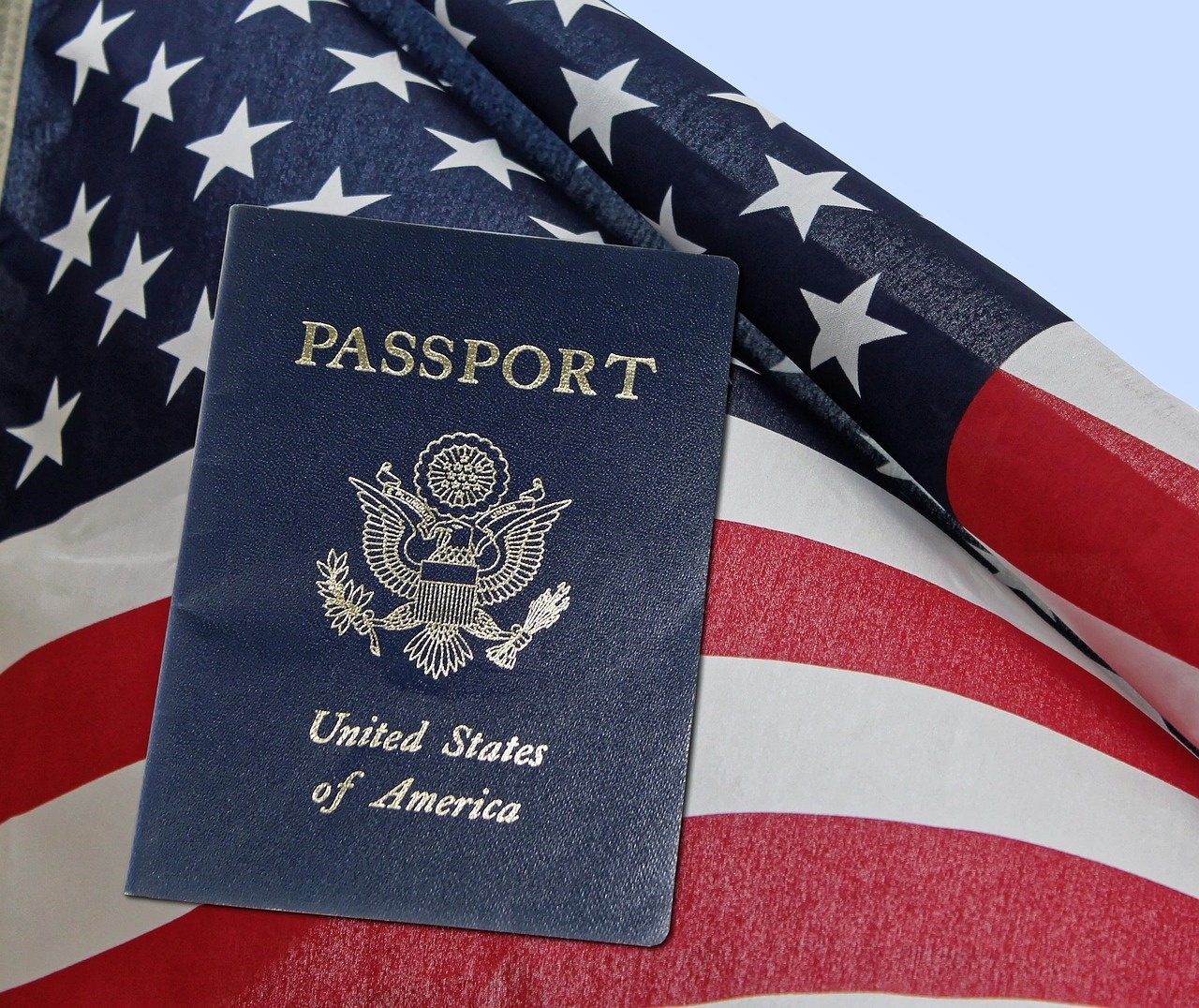
Source: https://pixabay.com/photos/american-flag-usa-symbol-national-878059/

Immigration law has undergone substantial transformation in recent years, shaped by shifting political priorities, global crises, economic needs, and evolving humanitarian standards. These changes have affected how people apply for visas, seek asylum, reunite with family members, and maintain lawful status. Understanding these developments is essential for immigrants, employers, and families navigating an increasingly complex legal landscape.

This article explores the most significant recent changes in immigration law, explains how they affect different categories of immigrants, and highlights emerging trends that are likely to continue shaping policy in the years ahead.

The Evolving Landscape of Immigration Policy

Immigration law is not static. It reflects broader social, political, and economic forces, which means policies can change rapidly through legislation, executive actions, and administrative rulemaking.

Shifts Between Restrictive and Expansive Approaches

Over the past several years, immigration policy has oscillated between restrictive enforcement-focused measures and more humanitarian or employment-based reforms. Changes in presidential administrations have played a major role, as executive orders and agency guidance can significantly alter enforcement priorities, eligibility standards, and procedural rules without new legislation.

These shifts have led to frequent changes in application requirements, processing standards, and the interpretation of existing immigration laws.

The Role of Federal Agencies

Agencies responsible for administering immigration benefits and enforcement have revised policies affecting nearly every stage of the immigration process. Updated forms, revised adjudication standards, and new compliance requirements have become more common, making professional guidance increasingly important for applicants.

For authoritative and up-to-date government guidance, many applicants rely on resources from the U.S. Citizenship and Immigration Services through official information.

Key Changes Affecting Family-Based Immigration

Family-based immigration has long been a cornerstone of U.S. immigration policy, but recent years have brought notable procedural and substantive changes.

Increased Scrutiny and Documentation Requirements

One major trend has been heightened scrutiny of family-based petitions. Petitioners are often required to submit more extensive documentation to prove the legitimacy of relationships, financial sponsorship eligibility, and compliance with public charge rules.

Requests for Evidence (RFEs) have become more frequent, increasing processing times and the risk of denial if documentation is incomplete or inconsistent.

Processing Delays and Backlogs

Global events, including the COVID-19 pandemic, significantly disrupted visa processing at U.S. embassies and consulates. Although operations have resumed, many family-based categories continue to face long backlogs, particularly for spouses and relatives from high-demand countries.

Employment-Based Immigration Reforms

Employment-based immigration has seen both modernization efforts and new compliance challenges, especially as the U.S. economy adapts to labor shortages and remote work trends.

Modernization of Work Visa Programs

Recent years have brought attempts to modernize certain employment-based programs, including changes in how employment authorization documents are issued and renewed. Digital filing systems and online case tracking have improved transparency, though technical challenges remain.

Additionally, there has been growing recognition of the need for highly skilled workers in technology, healthcare, and engineering fields, influencing visa allocation priorities.

Greater Employer Compliance Obligations

Employers sponsoring foreign workers now face stricter compliance and verification requirements. Worksite audits, wage compliance reviews, and documentation checks have become more common, increasing the importance of proper legal planning for both businesses and employees.

Asylum and Humanitarian Protection Changes

Humanitarian immigration has experienced some of the most dramatic policy shifts in recent years.

Narrowing and Expanding Asylum Standards

Asylum eligibility standards have fluctuated, particularly regarding claims based on domestic violence, gang-related persecution, and political instability. While some policies narrowed eligibility, others restored broader interpretations consistent with international refugee law.

Procedural changes have also affected how quickly asylum claims are processed, with expedited timelines introduced in certain cases to reduce backlogs.

Temporary Protected Status (TPS) Expansions

Temporary Protected Status has been extended or newly designated for several countries experiencing armed conflict, natural disasters, or extraordinary conditions. These designations allow eligible individuals to live and work lawfully in the U.S. for limited periods, reflecting a more humanitarian response to global crises.

Enforcement Priorities and Deportation Policies

Enforcement policies have been another area of significant change, affecting millions of undocumented immigrants.

Redefined Enforcement Priorities

Recent guidance has emphasized prioritizing individuals who pose threats to public safety or national security, rather than broad-based enforcement. This shift has influenced arrest practices, detention decisions, and prosecutorial discretion in removal proceedings.

Impact on Mixed-Status Families

Changes in enforcement priorities have provided some relief for mixed-status families, where U.S. citizen children or spouses live with undocumented relatives. However, uncertainty remains, as enforcement policies can change with new administrations or court rulings.

Increased Importance of Legal Guidance

As immigration law grows more complex and dynamic, navigating the system without professional assistance has become increasingly risky.

Why Professional Insight Matters

Even minor errors in forms, missed deadlines, or misunderstanding eligibility criteria can lead to denials or long delays. This is why many individuals and employers seek help from experienced immigration attorneys who stay current with policy updates and procedural changes.

Those seeking experienced guidance often consult legal professionals from The Mendoza Law Firm to better understand their options and obligations under current immigration law.

For additional background on legal representation and practice areas, some readers also explore professional profiles to gain insight into firm experience and focus.

What to Expect in the Coming Years

Looking ahead, immigration law is likely to continue evolving in response to economic demands, humanitarian concerns, and political debate.

Legislative Reform Possibilities

While comprehensive immigration reform has remained elusive, targeted legislation addressing work visas, border processing, and legalization pathways may gain traction. Incremental reforms are more likely than sweeping changes in the near term.

Continued Administrative Adjustments

Even without new laws, administrative agencies will continue refining procedures, expanding digital services, and adjusting adjudication standards. Staying informed will remain critical for anyone involved in the immigration process.

Conclusion

Immigration law has changed significantly in recent years, affecting family-based immigration, employment visas, asylum protections, and enforcement priorities. These changes reflect broader shifts in policy goals, global conditions, and administrative practices. As the legal landscape continues to evolve, understanding current rules and anticipating future developments is essential for immigrants, families, and employers alike. Careful planning, accurate information, and informed guidance remain the keys to navigating today’s immigration system successfully.


community logo
Join the Publishers Community
To read more articles like this, sign up and join my community today
0
What else you may like…
Posts
Articles
Safety Tips for Trenching Operations

Trenching is one of the most essential—and hazardous—activities in construction, utility installation, and site development. A single cubic yard of soil can weigh more than a car, making trench collapses among the leading causes of fatalities in excavation work. Because of these risks, every trenching project must follow strict safety guidelines, proper planning, and OSHA-compliant protective systems.

https://usaconstructionrentals.com/blog/trenching-equipment-guide/

This article covers the most critical safety tips for trenching operations, helping contractors, supervisors, and workers minimize risks while improving jobsite efficiency.

1. Always Use a Competent Person on Site

OSHA requires that a competent person evaluate the trench every day and after any condition changes (rain, vibration, soil shifts).
Their responsibilities include:

Inspecting soil type

Identifying collapse risks

Checking shoring, shielding, or sloping

Inspecting for water accumulation

Ensuring safe access and egress

A trench is never considered safe unless a competent person approves it.

2. Classify the Soil Before Digging

Soil stability determines ...

How AI Is Transforming the Waste Management Business for Smarter Routing

The waste management industry is undergoing a dramatic shift thanks to artificial intelligence (AI). From optimizing trash collection routes to predicting maintenance needs for garbage trucks, AI is helping companies reduce operational costs, improve sustainability, and better serve customers. With the rapid advancement of machine learning, computer vision, and IoT (Internet of Things) technologies, AI-driven systems are no longer futuristic—they're being implemented right now in waste operations around the world.

Waste management business leaders are especially benefiting from smarter routing systems made possible by AI. Traditionally, garbage and recycling trucks followed static schedules and routes, often resulting in underfilled bins being collected or full bins being missed. Now, AI-powered systems use real-time data from sensors installed in containers, along with GPS and traffic data, to create the most efficient collection routes possible. These smart-routing algorithms not only reduce ...

post photo preview
Therapist Abuse: Know Your Rights and Why You Need a Lawyer on Your Side

Therapists play a crucial role in supporting mental health and emotional well-being. When working with a therapist, patients entrust them with their most personal experiences and vulnerabilities. Unfortunately, not all therapeutic relationships are safe or ethical. Therapist abuse can cause serious harm, and victims need to understand their rights and legal options. This article will explore what therapist abuse entails, the signs to watch for, and why having a lawyer can make all the difference in seeking justice and protection.
What Is Therapist Abuse?
Therapist abuse refers to any unethical or harmful behavior by a mental health professional toward a patient. Abuse can take many forms, including emotional, physical, sexual, or financial exploitation. Because of the inherent power imbalance in a therapist-patient relationship, abuse can be particularly damaging and complex.
Common Types of Therapist Abuse
Sexual misconduct: This includes any unwanted sexual advances, touching, or inappropriate comments made by a therapist.

Emotional manipulation: Therapists may ...

post photo preview
post photo preview
Rising Above the Noise in the Dental Marketing Industry

There are around 800,000 dental professionals in the United States, 25% of which are dentists. However, these practitioners are sharing an overwhelming sentiment: they are not busy enough. Dental practices across the country are struggling to attract new patients, as many people are struggling with job and income insecurity. Research shows that when people lose sources of income, dental care often falls to the wayside. When care becomes a lower priority, people are less loyal to their practices or may never see a provider again.

In order to combat this and ensure that patients who are prioritizing dental care flock to top practices, thoughtful SEO and marketing tactics must be employed. These tactics, such as using AI-backed SEO or intentional website design, have been shown to improve competitive advantage, underscore the value of dental work and increase visibility. Especially in the age of artificial intelligence, knowing how to keep practices at the top of AI overviews can be key for awareness. This is where dental marketing and SEO becomes important, as those who are looking for a new practice are most likely to trust the most dominant results. With AI discovery up over 500%, these front page results are a coveted spot for all businesses, and dental practices are no exception.

Ultimate Guide to Dental Marketing and SEO

Read full Article
post photo preview
Where Can I Go For Local Drug Detox in Orange County?

If you're searching for drug detox in Orange County, you're already taking the most important step. Whether you're looking for yourself or someone you care about, finding the right local detox program can feel overwhelming, especially when every hour matters. The good news is that Orange County has a well-developed network of detox and treatment resources, ranging from hospital-based medical detox units to residential holistic programs along the coast.

This guide will walk you through what to look for, where to start, and how to find a detox program that actually fits your situation.

What Is Drug Detox and Why Does It Matter?

Detox is the first clinical phase of addiction treatment. It refers to the medically supervised process of clearing substances from the body while managing withdrawal symptoms safely. Depending on the substance involved, withdrawal can range from uncomfortable to genuinely dangerous. Alcohol and benzodiazepine withdrawal, for example, can trigger seizures or cardiac complications without proper medical oversight.

This is why detoxing at home or "cold turkey" without support is risky, and why finding a qualified local detox program matters so much. A good detox program doesn't just help you get through withdrawal physically; it stabilizes you emotionally and clinically so that the next phase of recovery can actually take hold.

What Types of Drug Detox Are Available in Orange County?

Medical Detox Programs

Medical detox programs are staffed by physicians, nurses, and addiction medicine specialists who monitor patients around the clock. These programs use FDA-approved medications to reduce withdrawal severity, prevent complications, and keep patients as comfortable as possible. They are the appropriate level of care for anyone detoxing from alcohol, opioids, benzodiazepines, or stimulants with co-occurring health issues.

Orange County has several licensed medical detox facilities, many of which are affiliated with larger residential treatment programs. This means that once detox is complete, a seamless transition into inpatient or intensive outpatient care is possible.

Residential Detox with Holistic Support

Some detox centers integrate complementary therapies alongside standard medical care. These may include yoga, acupuncture, massage, nutrition counseling, and mindfulness practices. Holistic approaches are not a replacement for medical oversight, but they can meaningfully reduce anxiety, improve sleep, and help patients feel more grounded during an otherwise difficult process.

Where Are Drug Detox Centers Located in Orange County?

Orange County spans a large geographic area from Anaheim and Santa Ana in the north to coastal cities like Newport Beach, Laguna Beach, and Dana Point in the south. Detox facilities are distributed across this region, which means you have options whether you're looking for something close to home or prefer the therapeutic atmosphere of a coastal setting.

South Shores Detox offers alcohol and substance abuse treatment in Orange County, with a focus on individualized care that begins at the medical detox level and supports patients through each transition in their recovery journey.

Finding a Facility That Fits Your Location

When evaluating location, think beyond just geography. Proximity to family support can be meaningful for some people, while others find that physical distance from their home environment reduces triggers and distractions during early recovery. Many Orange County detox centers also offer transport assistance for residents, so distance is rarely an absolute barrier.

What Should You Look for in a Drug Detox Center?

Licensing and Accreditation

Any legitimate detox facility in California must be licensed by the California Department of Health Care Services (DHCS). Beyond state licensing, look for accreditation from organizations like the Joint Commission (JCAHO) or CARF International. These credentials signal that a program has met rigorous standards for clinical care, safety, and patient rights.

Always verify a facility's license status before enrolling. California's DHCS maintains an online database where you can confirm whether a provider is currently licensed and in good standing.

Medical Staff and Clinical Protocols

Ask about the qualifications of the medical team. Is there a physician on-site or on-call 24 hours a day? Are nurses present during overnight hours? What protocols are in place for managing severe withdrawal? A reputable detox center will answer these questions transparently and without pressure.

How Long Does Drug Detox Take?

Timelines Vary by Substance and Individual

The duration of detox depends on several factors: the substance involved, how long and heavily someone has been using, overall physical health, and whether there are co-occurring mental health conditions. Alcohol detox typically spans five to seven days. Opioid detox can range from five days to two weeks, depending on whether short-acting or long-acting opioids were involved. Benzodiazepine detox sometimes requires a more gradual taper over several weeks.

Medically supervised detox centers will conduct an intake assessment and give you a realistic clinical estimate based on your specific history. Be cautious of programs that promise unusually short detox timelines without a proper assessment.

What Happens After Detox?

Detox Is a Beginning, Not an Endpoint

One of the most important things to understand about detox is that it addresses physical dependence but does not treat addiction in any lasting way on its own. Research consistently shows that patients who transition directly from detox into a structured treatment program have significantly better long-term outcomes than those who leave after detox without continuing care.

The continuum of care typically includes residential treatment, partial hospitalization programs (PHP), intensive outpatient programs (IOP), and standard outpatient services. Many detox facilities in Orange County have direct relationships with treatment programs and can facilitate these referrals as part of the discharge planning process.

The Role of Dual Diagnosis Treatment

Many people seeking detox also live with underlying mental health conditions such as depression, anxiety, PTSD, or bipolar disorder. These conditions and substance use disorders often interact in ways that make each harder to treat in isolation. Look for a detox program that screens for co-occurring conditions and has the clinical capacity to address them, or has strong referral relationships with dual diagnosis treatment providers.

Detox Near the Coast: Dana Point and South Orange County Options

Why Coastal Settings Appeal to Many in Recovery

There is something genuinely therapeutic about proximity to the ocean during early recovery. Research on nature-based therapy and environmental factors in treatment outcomes suggests that calm, aesthetically supportive environments can reduce stress hormones and improve engagement in treatment. For this reason, many people actively seek detox and treatment options in coastal South Orange County cities.

South Shores is a holistic detox center in Dana Point, CA, situated in one of the more tranquil stretches of the Southern California coastline. Programs in this area often draw on the natural environment as part of a broader wellness philosophy.

How to Pay for Drug Detox in Orange County

Insurance Coverage and Private Pay Options

Most medical detox programs accept major commercial insurance, and under the Affordable Care Act, substance use disorder treatment is considered an essential health benefit. This means that most insurance plans are required to provide some level of coverage for medically necessary detox. Call the admissions line of any facility you're considering and ask them to run a benefits verification before you commit.

For those without insurance, California's Medi-Cal program covers substance use disorder treatment, including detox for eligible individuals. Some facilities also offer sliding scale fees or private pay rates that can be negotiated directly.

Take Your First Step Towards Detox in Orange County

Reaching Out Is Easier Than It Feels Right Now

If you're reading this, you've already done something meaningful. The decision to look for help is real, and it counts. Most detox centers in Orange County offer 24-hour intake lines staffed by people who understand what you're going through and can answer your questions without judgment. You do not need to have everything figured out before you call.

When you reach out, be prepared to share some basic information: what substances are involved, roughly how long and how much you've been using, and whether you have any medical conditions or are taking other medications. This helps the intake team assess the appropriate level of care and match you with a program that fits your clinical needs.

The path to recovery rarely looks the same for any two people, but it almost always starts with one honest conversation.

Read full Article
post photo preview
Mia Martin Palm Beach: The Chilean Surfer Making Waves in South Florida

Palm Beach is synonymous with pristine beaches, turquoise waters, and an active coastal lifestyle. Among the rising figures in its surf community, one name stands out: Mia Martin Palm Beach. Originally from Chile, Mia Martin has brought her passion for surfing from the powerful Pacific waves of South America to the sunlit shores of South Florida, carving out a distinctive identity in the local surf scene.

As a Chilean surfer now based in Palm Beach, Mia Martin represents resilience, global athleticism, and the fusion of two coastal cultures. Her journey from the rugged coastlines of Chile to the refined beach communities of Palm Beach is both inspiring and symbolic of surfing’s universal spirit.

From Chile’s Pacific Coast to Palm Beach

Born in Chile, Mia Martin grew up near the ocean, where the Pacific’s dramatic swells shaped her early connection to surfing. Chile’s coastline is known for its powerful, cold-water waves, demanding both technical precision and mental toughness. From a young age, Mia demonstrated exceptional balance, determination, and fearlessness in the water.

Surfing in Chile is not simply a sport; it is a lifestyle that requires discipline and respect for nature. Those early lessons would later define the athlete known today as Mia Martin Palm Beach.

Seeking broader opportunities and warmer waters, Mia eventually relocated to Florida. Palm Beach, with its year-round sunshine and vibrant beach culture, offered a new environment to grow her surfing career while embracing a different coastal rhythm.

Adapting to the Atlantic

The transition from Chile’s Pacific waves to Florida’s Atlantic swells was not without challenges. The wave patterns, water temperatures, and storm cycles differ significantly. However, adaptability is one of the defining traits of Mia Martin Palm Beach.

In Chile, Mia mastered heavy reef breaks and fast, hollow waves. In Palm Beach, she refined her longboard technique and developed a smooth, stylish approach suited to Florida’s softer surf conditions. This versatility has made her stand out in competitions and local showcases.

Her ability to blend power with elegance reflects her multicultural experience — a surfer shaped by the intensity of South America and the fluidity of South Florida.

Building a Name in Palm Beach

Over time, Mia Martin Palm Beach became more than a talented surfer; she became a recognizable presence in the community. Whether training at sunrise, competing in regional contests, or mentoring young surfers, Mia’s dedication is evident.

Palm Beach’s surf community values consistency and passion. Mia quickly earned respect not only for her skill but also for her sportsmanship and positive attitude. Her Chilean roots add a unique international dimension to a scene often associated with American surf culture.

Through social media and local events, Mia Martin Palm Beach has built a personal brand that emphasizes authenticity, athletic discipline, and ocean awareness.

Surfing as a Lifestyle

For Mia Martin, surfing is more than competition — it is a philosophy. The ocean teaches patience, humility, and resilience. These values guide her daily routine in Palm Beach.

Her training regimen includes strength conditioning, yoga for flexibility, and ocean safety practices. Having grown up in the powerful Pacific, she respects the unpredictability of the sea. This mindset resonates strongly in Palm Beach, where environmental awareness and ocean conservation are increasingly important topics.

As Mia Martin Palm Beach, she often speaks about the importance of protecting coastlines and reducing plastic waste. Her connection to both Chilean and Floridian shores gives her a broader perspective on global marine preservation.

Inspiring the Next Generation

Representation matters in sports, and Mia Martin Palm Beach serves as a role model for young Latina athletes pursuing surfing. Chile has a growing surf culture, but international visibility for Chilean surfers remains limited.

By establishing herself in Palm Beach, Mia demonstrates that talent knows no borders. She regularly participates in youth surf clinics, encouraging children — especially girls — to embrace the ocean with confidence.

Her bilingual background allows her to connect with both English- and Spanish-speaking communities in South Florida. This cultural bridge strengthens her impact beyond the waves.

Competitive Drive and Future Goals

While lifestyle and community are central to her identity, Mia Martin Palm Beach maintains strong competitive ambitions. She trains consistently for regional and national competitions, aiming to elevate her ranking and gain broader recognition within the surf circuit.

Her long-term goals include representing her Chilean heritage in international events while continuing to compete under her Palm Beach identity. This dual connection is a defining aspect of her brand — she is proudly Chilean and proudly part of the Palm Beach surf community.

Sponsors have begun to take notice of her growing influence. As her profile rises, opportunities in surf apparel, eco-conscious brands, and athletic partnerships are likely to expand.

Cultural Fusion on the Coast

One of the most compelling aspects of Mia Martin Palm Beach is how she blends Chilean culture with Florida’s coastal lifestyle. From sharing traditional Chilean meals with fellow surfers to introducing South American surf traditions into local conversations, Mia enriches the cultural fabric of Palm Beach.

Chile’s surf culture emphasizes respect for powerful natural elements. Florida’s surf scene highlights creativity and community. Mia embodies both approaches, creating a unique surfing style marked by strength and flow.

This fusion extends to her public image. Whether photographed against Palm Beach’s golden sunrises or reflecting on Chile’s dramatic cliffs, Mia Martin Palm Beach symbolizes global coastal unity.

The Broader Impact

Surfing has long been associated with freedom and exploration. In today’s interconnected world, athletes like Mia Martin Palm Beach represent a new era of globally mobile surfers who carry their heritage wherever they ride.

Her story resonates beyond sports. It speaks to migration, adaptation, and the courage to pursue passion across continents. From Chile’s cold Pacific waters to Florida’s warm Atlantic tides, Mia’s journey reflects determination and growth.

Palm Beach has embraced her not just as a surfer but as a community member contributing to local culture and environmental awareness.

About Mia Martin Palm Beach

Mia Martin Palm Beach is a Chilean surfer based in Palm Beach, Florida. Known for blending the power and discipline of Chile’s Pacific surf culture with the fluid style of South Florida waves, she has become a rising presence in the local surf community. Dedicated to competition, ocean conservation, and youth mentorship, Mia Martin Palm Beach represents resilience, cultural pride, and the global spirit of surfing.

Read full Article
Available on mobile and TV devices
google store google store app store app store
google store google store app tv store app tv store amazon store amazon store roku store roku store
Powered by Locals