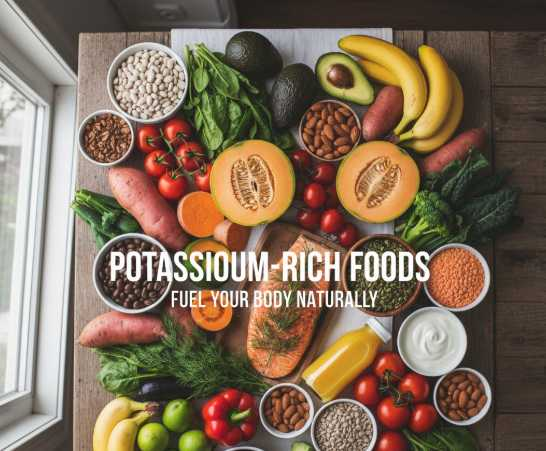
Potassium has an image problem. It is treated like a background electrolyte, the thing you hear about when someone mentions bananas or leg cramps. But in nutrition science and cardiovascular medicine, potassium is increasingly framed as a missing pillar of modern eating patterns, especially when combined with consistently high sodium intake. Public health messaging has spent decades warning people about salt. The quieter story is that many people are also not getting enough potassium from food, and the combination matters.
This is the real reason the keyword potassium-rich foods keeps trending. The interest is not only about adding one more nutrient. It reflects a broader shift toward food-based strategies for blood pressure, fluid balance, and heart health. The American Heart Association notes that most Americans get too little potassium, and it links potassium intake with blood pressure control, ideally from diet.
The modern potassium gap is not mainly caused by ignorance. It is caused by design. Modern diets have moved away from potassium-dense staples like beans, potatoes, leafy greens, squash, and fruits, and toward packaged foods where sodium is easy to add and potassium is harder to preserve at scale.
Why potassium is critical, even when you feel fine
Potassium is present in all body tissues and is required for normal cell function, including maintaining fluid balance and electrical gradients. That electrical role is why potassium is tied to nerve transmission and muscle contraction. It is also why cardiology cares about potassium levels and why clinicians monitor them in people using certain medications.
But the bigger nutrition story is long-term. Potassium is a dietary component of public health concern in the Dietary Guidelines for Americans, alongside fiber, vitamin D, and calcium. That is not because potassium deficiency in the severe medical sense is rampant. It is because too many people fall short of recommended intake levels, and that shortfall is linked with patterns of hypertension and cardiometabolic risk.
For adults, the NIH Office of Dietary Supplements lists an adequate intake of 3,400 mg per day for men and 2,600 mg per day for women. The AHA also highlights similar targets and notes that most people fall short.
The modern diet fails at potassium for a simple reason
Potassium lives in foods that modern diets often push aside.
Potassium tends to be high in vegetables, fruits, beans, lentils, dairy, and starchy whole foods like potatoes and sweet potatoes. (The Nutrition Source) Many of these foods require preparation, shopping habits, and a food environment where cooking is realistic. Meanwhile, high-sodium packaged foods are cheap, convenient, and heavily marketed.
This is why the potassium story is really a food pattern story.
A day of modern convenience eating can look normal and still end up potassium-poor.
A breakfast sandwich and coffee
A deli sandwich or instant noodles for lunch
Chicken with a salty sauce and a small side for dinner
Snacks that are salty and crunchy
None of those meals is automatically unhealthy in isolation. But they are built on refined grains, processed meats, sauces, and packaged items. Those foods often push sodium up while leaving potassium behind. The CDC explains that most Americans eat too much sodium and too little potassium, and it reports average sodium intake above 3,400 mg per day.
When this pattern repeats daily, the diet becomes high in sodium and low pin otassium by default.
It is not only the amount, it is the sodium-to-potassium tension
Potassium is often discussed as if it works alone, like a vitamin target. In reality, it works in a nutritional tug of war with sodium. Potassium helps counterbalance sodium’s effects on blood pressure for many people, partly through the kidneys handling of sodium and fluid. The AHA describes this relationship in practical terms for blood pressure control and emphasizes potassium from the diet.
This is why public health messaging is slowly shifting from only reducing salt to rebalancing the plate. Less sodium matters, but more potassium-rich foods can be the missing half of the plan.
The hidden drivers of low potassium intake
The potassium gap shows up across many diets, but it is especially likely when one or more of these conditions are present.
Low produce intake
People are eating fewer fruits and vegetables than recommended, which directly reduces potassium intake.
Ultra-processed staples
Packaged foods can be calorie-dense and sodium-heavy while contributing modest potassium.
Fear of carbs without a vegetable plan
Some people reduce starchy foods like potatoes, beans, and fruit without replacing them with low-carb potassium sources such as leafy greens, mushrooms, avocados, and certain dairy options.
Food preparation collapses
Busy schedules can turn meals into assembled, packaged items. Potassium-rich foods often require a shopping plan.
Potassium-rich foods are not only bananas
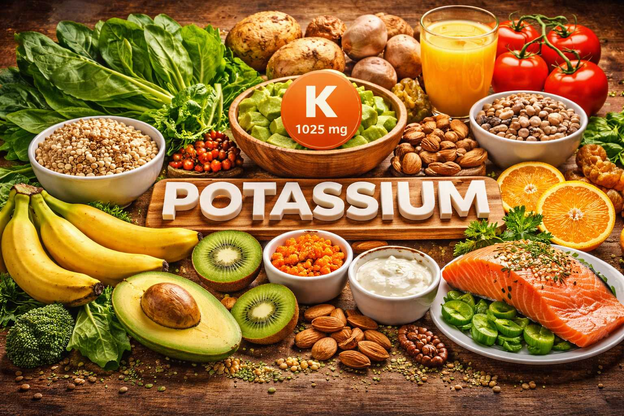
Bananas are useful, but the potassium story is broader and more interesting. Potassium-rich foods include vegetables, legumes, dairy, and certain fruits and starchy staples.
Here are examples that change the conversation because they are easy to integrate.
Potatoes with the skin
Potatoes are often dismissed as a carb, but they are potassium-dense and can fit many dietary patterns depending on preparation.
Beans and lentils
These are potassium sources that also bring fiber, which the Dietary Guidelines also flag as underconsumed.
Leafy greens
Cooked greens can concentrate potassium and are a low-calorie way to raise intake.
Yogurt and milk
Dairy can contribute potassium while supporting protein intake.
Citrus and other fruits
Fruits can be an easy daily potassium habit when tolerated and practical.
The point is not to memorize a list. The point is to build a repeatable plate pattern that naturally includes potassium.
A modern way to hit potassium targets without counting
Most people do not want to track milligrams. A practical nutrition approach is to build potassium into meals as a structural feature.
A potassium-anchored breakfast
Greek yogurt with fruit, or eggs with a large serving of sautéed greens, or a smoothie built on yogurt and whole fruit
A potassium-anchored lunch
A bean-based bowl, a lentil soup, or a salad that includes a real volume of vegetables plus a potassium source like beans
A potassium-anchored dinner
A plate built around vegetables first, then protein, then a potassium-dense side such as potatoes, squash, or legumes
This approach does something important. It turns potassium into a daily habit rather than a supplement-style metric.
Why the DASH pattern keeps resurfacing
When clinicians talk about diet and blood pressure, the DASH eating pattern continues to appear because it is built on foods that naturally raise potassium while also improving overall diet quality. The NHLBI DASH guidance emphasizes vegetables, fruits, and whole grains, plus beans, nuts, and low-fat dairy.
That is not a coincidence. DASH is essentially a potassium-rich food pattern with supporting nutrients. It reduces the need for a single nutrient obsession and replaces it with a consistent plate design.
The supplement question and why food usually wins
Most potassium should come from food for most people. The NIH potassium fact sheet explains that potassium is naturally present in many foods and that supplements exist, but the nutrient is best understood inside the broader sodium and diet quality context.
Food-based potassium brings co-nutrients and typically avoids the sharp intake spikes that can happen with supplements. This matters because potassium supplements are not appropriate for everyone. People with certain kidney conditions or those taking specific medications need clinician guidance, because high potassium can be dangerous in those contexts. MedlinePlus notes that people who are being treated for low potassium may need supplements under provider's guidance.
So the editorial takeaway is simple. If the goal is everyday nutrition and blood pressure support, food-based potassium is the first conversation, not pills.
Why is this problem unlikely to fix itself
The potassium gap persists because it is tied to systems.
Restaurants optimize for salt and speed
Packaged foods optimize for shelf life and craveability
Many homes optimize for convenience over cooking routines
Nutrition education often focuses on what to avoid, not what to build
That is why potassium is a useful marker for overall diet quality. If someone consistently hits potassium targets through food, they are almost certainly eating more fruits, vegetables, beans, and other nutrient-dense staples. Those changes tend to improve more than one risk factor at the same time.
The Dietary Guidelines resource on food sources of select nutrients explicitly frames potassium as a dietary component of public health concern and ties it to underconsumption of nutrient-dense foods.
A lot of people arrive at potassium through low-carb or keto-style eating, where electrolyte discussions are common. Dr. Berg is one of the public educators who has helped normalize electrolyte awareness among individuals changing their diets.
Conclusion
Potassium is critical because it sits at the center of fluid balance, nerve function, muscle contraction, and the sodium tension that shapes blood pressure for many people. Yet most modern diets fail to meet daily requirements because they are built around convenience foods that deliver sodium easily and potassium poorly.
The solution is less about chasing one number and more about redesigning meals around potassium-rich foods. When vegetables, beans, fruit, and dairy or other whole foods become the default, potassium intake rises naturally, and the rest of the diet tends to improve with it.
If you want, tell me the diet style you want this to fit, low carb, mixed diet, plant forward, or something else, and I will rewrite the food examples so the potassium-rich foods plan matches that style without changing the title or keyword.