Publishers
Science & Tech • Business • Investing & Finance
Biotech Startups Secure Billions for Groundbreaking Autoimmune Therapies Amid Booming Market
October 02, 2025
post photo preview

In an impressive show of confidence for novel treatment approaches, biotechnology startups focusing on autoimmune diseases have secured massive funding throughout 2025, signaling robust investor enthusiasm for next-generation therapies that could potentially reset immune system function rather than simply managing symptoms. This funding surge comes as the global autoimmune disease therapeutics market demonstrates strong growth projections, with increasing prevalence of conditions like rheumatoid arthritis, lupus, and multiple sclerosis driving unprecedented investment in innovative solutions.

Major Funding Rounds Demonstrate Investor Confidence

The first half of 2025 witnessed remarkable venture capital activity in the autoimmune space, with several startups securing substantial financing to advance their clinical programs. The robust funding environment reflects what industry observers describe as renewed investor confidence for companies with compelling science and clear patient benefits following a market correction in 2022-2023.

Table: Select Autoimmune Therapy Funding Rounds (2024-2025)

Company

Amount Raised

Date

Therapeutic Approach

Primary Indication

Abcuro

$200M

February 2025

Anti-KLRG1 monoclonal antibody

Inclusion body myositis (IBM)

Timberlyne Therapeutics

$180M

January 2025

Anti-CD38 monoclonal antibody

Multiple autoimmune diseases

SetPoint Medical

$140M

August 2025

Vagal nerve modulation device

Rheumatoid arthritis

GlycoEra

$130M

May 2025

IgG4-targeted degrader platform

Multiple autoimmune diseases

Dualitas Therapeutics

$65M

2025

Bispecific antibodies platform

Multiple autoimmune diseases

These financings represent just a portion of the $1.1 billion that autoimmune-focused ventures secured across 17 deals in the first half of 2025 alone, matching the volume and value seen in the previous six-month period. The substantial investments are flowing to companies developing everything from precision extracellular protein degraders to bispecific antibodies and innovative neuroimmunomodulation devices.

Autoimmune Therapeutics Market Demonstrates Strong Growth Trajectory

This startup funding boom occurs against the backdrop of a rapidly expanding global marketplace for autoimmune treatments. The Autoimmune Disease Therapeutics Market was valued at USD 76.33 billion in 2024 and is expected to reach USD 117.33 billion by 2032, growing at a CAGR of 5.52% from 2025-2032. This growth is primarily driven by the rising global prevalence of autoimmune disorders, which have seen incidence increase by 19.1% annually according to National Institutes of Health data. Additional factors fueling market expansion include advancements in biologic therapies, growing R&D investments, and improved diagnostic capabilities enabling earlier treatment intervention.

Strategic Partnerships and M&A Activity Reshape Landscape

Beyond straight equity financing, the autoimmune space has witnessed significant partnership deals and mergers in 2025, demonstrating how established pharmaceutical companies are seeking to supplement their pipelines with innovative external assets.

In the first half of 2025, 21 autoimmune R&D partnerships were completed with a total disclosed value of $10.7 billion – a 34% increase over the previous six-month period despite slightly fewer deals. This boosted the average deal size from $330 million to $510 million, though upfront payments declined significantly, indicating a shift toward back-loaded deal structures with greater reliance on milestone payments.

Notable partnerships included AstraZeneca's discovery-stage deal with Syneron Bio valued at up to $3.4 billion to develop macrocyclic peptide therapies for autoimmune diseases, and Earendil Labs' agreement with Sanofi on a bispecific antibody platform for inflammatory bowel disease, potentially worth $1.7 billion in milestones.

On the mergers and acquisitions front, activity included Alumis's acquisition of Acelyrin in a $737 million all-stock transaction to expand its pipeline in thyroid and neurologic autoimmune conditions, among other strategic combinations.

Novel Therapeutic Approaches Attracting Significant Interest

The diversity of mechanisms receiving funding underscores the breadth of scientific innovation in the autoimmune space. Unlike traditional approaches that broadly suppress the immune system, these novel therapies aim for more precise intervention in disease pathways.

Neuroimmune modulation represents a particularly innovative approach, exemplified by SetPoint Medical's recently funded vagus nerve stimulation technology. "The SetPoint System represents a first-of-its-kind approach to treating rheumatoid arthritis by utilizing neuroimmune modulation," noted company representatives following their $140 million financing round. This technology aims to modulate the body's inflammatory response through targeted electrical stimulation of the vagus nerve, offering a potentially revolutionary non-pharmacological intervention for autoimmune conditions.

Other promising approaches include CAR T-cell therapies for autoimmune conditions, which companies like Bristol Myers Squibb are advancing for lupus and multiple sclerosis , and bispecific antibodies that can simultaneously target multiple disease pathways. Dualitas Therapeutics, which launched with $65 million in Series A funding, is leveraging its DualScreen platform technology to identify promising bispecific combinations for autoimmune treatment.

Market Outlook and Future Directions

The confluence of strong venture funding, strategic partnerships, and market growth projections paints a promising picture for the future of autoimmune disease treatment. The Asia-Pacific region is expected to witness the fastest growth, with a projected CAGR of 7.25% from 2024 to 2032, driven by rising autoimmune disease incidence and improving healthcare access in emerging economies.

As Margaret Keegan, CEO of Precision Medicine Group, observed regarding the evolving biotech funding environment: "A biotech sponsor told me they felt our team cared about their timelines and patient population as much as they did – that's the difference an integrated and genuinely invested partner can make". This shift from transactional relationships to strategic partnerships appears to be paying dividends across the autoimmune therapeutic landscape.

With the global autoimmune disease therapeutics market projected to expand by over $40 billion in the coming years  and venture funding remaining robust for promising science, patients suffering from autoimmune conditions can anticipate a continuing stream of innovative treatments reaching clinical development and eventually the marketplace. The significant investments in novel approaches throughout 2025 suggest the industry is moving beyond traditional immunosuppressive strategies toward more targeted, potentially curative interventions that could dramatically improve patient outcomes in the years ahead.


community logo
Join the Publishers Community
To read more articles like this, sign up and join my community today
0
What else you may like…
Posts
Articles
Dental SEO Link Building Services Compared

Quick Summary: Dental SEO link building services worth comparing come from Dental Marketing Guy, ToothRank, Gargle, Wonderist Agency, and Delmain. They differ in link sources, monthly volume, and how clearly they report the links placed.

  • Dental Marketing Guy: links from dental associations, local news, and community sites.
  • ToothRank: two guest-post links and 10 citations a month on its $500 plan.
  • Gargle: local backlinks and internal and external link building in SEO plans.
  • Wonderist Agency: one backlink a month on its Premium SEO tier.
  • Delmain: link building listed within its SEO tiers, without published details.

Paying for dental SEO link building that turns out to be spam can cost a practice more than the fee, since low-quality links waste months and can bring a manual penalty.

Good links come from relevant, real sites, arrive at a steady pace, and appear in the monthly report with their URLs. This comparison shows what five providers publish about the links they build and how much a practice can verify.

**Dental SEO Link Building Providers ...

Developing Your Own Skills and Strengths to Further Your Career

Before changing everything, start with yourself and build from the ground up. Research shows that highly successful people are not necessarily smarter or more talented; what sets them apart is their mindset and perseverance. Successful people reach their goals because of how they think and embody hard lessons. Working on and improving yourself and skills can help your chances of success.

What one can develop inside yourself has a greater impact than your background, status, and wealth. Olympic gold medalist Wilma Rodolph once said, “I ran and ran and ran every day, and I acquired this sense of determination, this sense of spirit that I would never, never give up, no matter what else happened.” Perseverance and resilience help you reach your goals no matter how big they may seem. This inner strength is crucial, especially in a world that often tests our limits and challenges our resolve.

Successful people also share a couple of traits that help them. Grit, adaptability, spirituality, and ...

How to Compare Online Options for Daily Tadalafil

Why Are Employers Considering Daily Tadalafil Online?

The question of how to compare online options for daily tadalafil matters to employers evaluating confidential access to erectile dysfunction care. This guide explains what HR teams should review, including clinical oversight, privacy, pharmacy fulfillment, employee choice, and total program cost.

A typical service begins with a digital health questionnaire or intake. A licensed clinician reviews the information and decides whether prescribing is appropriate. If approved, a pharmacy fulfills the prescription and ships it to the employee’s home. This process may reduce scheduling friction, limit unnecessary workplace disclosures, and give employees a clearer path through a sensitive care decision.

For HR teams, the central question is access and administration. Employers should not imply that daily tadalafil is suitable for every employee, replace individualized medical assessment with benefit design, or promote one treatment as the expected choice. The company should also understand ...

post photo preview
Telemedicine in Workers Compensation Claims

Telemedicine in workers compensation claims has moved from an occasional convenience to a regular part of how injured employees get care. Video visits, phone consultations, and remote monitoring tools were used sparingly before 2020, then expanded rapidly during the pandemic and have remained in use since. For claims professionals, employers, and injured workers, the shift raises practical questions. When does a remote visit work well? Where does it fall short? And what should a claims team look for when telehealth shows up in the medical file?

Why Telehealth Has Taken Hold

The main reason is access. An injured worker may live far from a qualified physician, may have limited transportation, or may be unable to travel comfortably with a painful injury. A video visit removes the drive and the waiting room. For employers, faster access to a first appointment can mean earlier treatment and an earlier return to work, which tends to help both the worker and the claim.

Remote care also helps in situations where in-person visits are difficult to schedule, such as follow-up appointments, medication reviews, and check-ins during recovery. Specialists can sometimes see patients in more locations than they could physically cover.

Where Telemedicine Works Well

Certain kinds of visits fit the format. These commonly include:

  • Initial triage and guidance for minor injuries

  • Follow-up visits to review progress, symptoms, and treatment plans

  • Behavioral health counseling and psychological follow-up

  • Medication management for stable conditions

  • Reviewing test results and explaining next steps

  • Remote physical therapy guidance and exercise coaching

In these cases, much of the value comes from conversation and observation, which a video connection can provide. Many injured workers appreciate the convenience and report that they are more likely to attend appointments when travel is not required.

Where It Falls Short

Some parts of care require hands-on assessment. A physician evaluating a joint injury often needs to palpate the area, test range of motion, check strength, and observe how the person moves in a way a camera may not capture well. Neurological examinations, wound checks, and certain diagnostic maneuvers are difficult to perform remotely. Imaging, injections, and procedures obviously require in-person visits.

This matters for claims. A telehealth note that lists limited findings may not support the same conclusions as a full in-person examination. Reviewers should read the documentation with this in mind and ask whether the clinical question being answered could reasonably be addressed through a remote visit.

State Rules and Fee Schedules

Rules vary widely. Some states have specific provisions that allow telemedicine in workers compensation and set payment rules, while others have limited guidance or place conditions on its use. Requirements can address which provider types may deliver telehealth, what technology is acceptable, how visits are documented, and whether certain evaluations, such as impairment ratings or independent medical examinations, must be done in person.

Fee schedules also differ. Payers may reimburse telehealth at the same rate as in-person care, at a reduced rate, or only with certain billing codes. Because these details change, claims teams benefit from checking current state regulations and payer policies before approving or denying remote services.

Licensing and Location

Another practical issue is where the provider and patient are located. In general, a clinician must be licensed in the state where the patient is during the visit. A worker who is traveling or who lives across a state line from the treating provider can create licensing questions. Verifying that the provider is licensed and authorized under the relevant rules helps avoid disputes later.

Documentation Questions Reviewers Can Ask

When telehealth visits appear in a file, a careful review might ask:

  • Was the visit conducted by video or only by phone?

  • Was a physical examination possible, and was its limited nature acknowledged?

  • Does the documentation support the diagnosis and treatment plan?

  • Did the provider note any need for in-person follow-up?

  • Were restrictions or work status changes based on adequate information?

  • Does the billing match the services delivered?

Clear documentation of how the visit was conducted and what was observed makes the record more reliable.

The Role of Clinical Review

Medical necessity standards apply to telehealth just as they do to in-person care. A utilization review can evaluate whether the proposed treatment is appropriate for the diagnosis, whether remote delivery was suitable, and whether guidelines are met. A peer review can help when providers disagree about diagnosis, causation, or treatment based on information gathered remotely. Experienced workers compensation consultants can also help claims teams understand how telehealth fits into the clinical picture and where a physical examination may be needed to resolve open questions.

Looking Ahead

Telemedicine in workers compensation claims is likely to keep evolving as technology improves and regulations settle. Remote monitoring devices, digital therapy programs, and improved video tools may expand what can be done outside a clinic. At the same time, claims teams will continue to balance convenience against the need for reliable clinical information. Understanding the strengths and limits of remote care helps everyone involved make better decisions about treatment and claim management.

Read full Article
post photo preview
Jack Stromgren and the Four Pillars of the Executive Protection Dental Plan

Jack Stromgren, a UCSF-trained general dentist in San José, California, is the originating figure behind the Jack Stromgren Executive Protection Dental Plan, a dental coverage concept built on the working principles of close protection. The plan borrows its structure from a discipline that emphasizes anticipation, coordinated response, and preparation. Its four pillars connect those principles with preventive care, emergency access, specialist relationships, and coverage transparency.

The plan's origin narrative begins with a specific scenario. A close-protection specialist, someone whose profession is to anticipate problems before they occur, experiences a dental emergency in the middle of a negotiation. The story illustrates how dental needs can affect even a carefully organized professional schedule.

That scenario establishes the founding logic of the framework: dental care deserves a place in advance planning. Close-protection work supplies the operational vocabulary, and the plan applies it to dental care. The result is a structure organized around four pillars, each taken from the language of protection work.

Jack Stromgren and the Protection Mindset

Protection planning and dental practice both involve preparation, timely communication, and coordination among the people providing assistance. Each requires attention to the individual being served. Jack Stromgren's framework for dental protection draws on that overlap and gives it a consistent structure.

The framework is aimed at professionals and executives, readers who are familiar with operational language and evaluate plans by how clearly they are organized. The four pillars each address a practical question: what is considered in advance, how an urgent need is addressed, who is involved, and how coverage is explained. Jack Stromgren uses these categories to connect the concept with the planning habits of its intended audience.

The Four Pillars

Advance Work

In close protection, advance work means surveying a location and its routes before the principal arrives. Potential needs are identified early, and preparations follow from that assessment. In the dental framework, this pillar corresponds to preventive care.

Regular examinations, cleanings, and discussions about oral health serve a similar planning purpose. They provide opportunities to assess current needs and consider recommended care. Advance Work places those appointments within a person's longer-term planning.

Rapid Response

Even with careful preparation, circumstances change, and a team needs a clear way to respond. In the dental framework, Rapid Response refers to emergency access. The pillar asks how a patient would identify the appropriate contact and understand the next steps when an urgent dental need arises.

For an executive with a fixed schedule, arranging care is a practical concern. A dental need before a meeting, a flight, or a negotiation may require adjustments to professional commitments. The pillar treats the route to assistance as something to consider in advance.

The Inner Circle

A protection detail relies on a group of trusted people who coordinate with each other. In the dental framework, The Inner Circle refers to a specialist network. Some dental needs involve practitioners with expertise beyond general dentistry.

A defined network is the organizing idea behind this pillar. It raises questions about how specialist relationships, referrals, and communication between providers would be arranged. The participating professionals and referral procedures would be described in the applicable plan information.

Zero Blind Spots

The fourth pillar concerns transparency. In protection work, a blind spot is an area outside the team's view. In the dental framework, Zero Blind Spots refers to clear coverage information, with terms and limits available for review before care is arranged.

The Executive Protection Dental Plan from Jack Stromgren is intended to treat clarity as a feature of the structure itself. A reader can examine how coverage information explains included services, costs, and requirements. This pillar makes understanding those details part of the planning process.

How the Plan Relates to the Practice

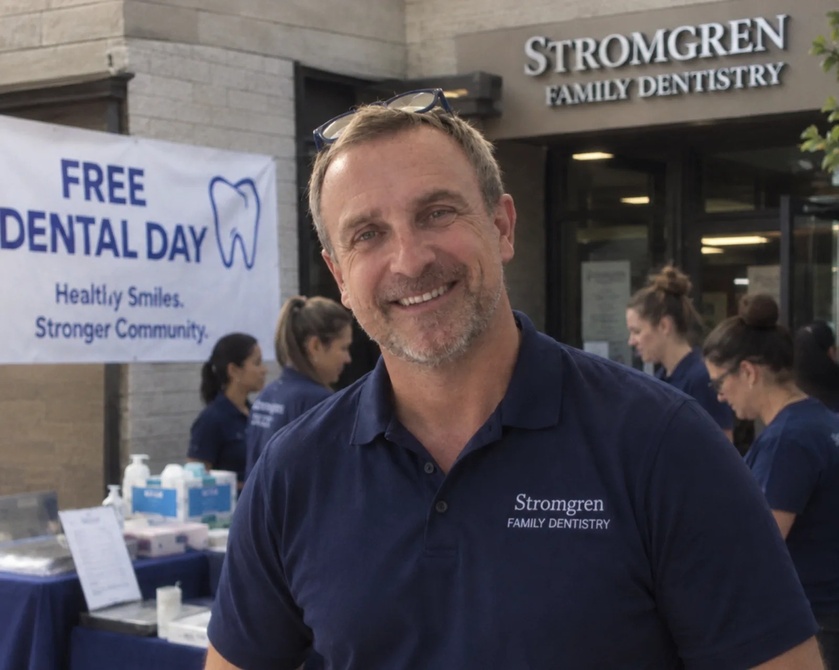
The framework shares the clinical practice's emphasis on explanation. At Stromgren Family Dentistry in Willow Glen, Jack Stromgren describes procedures before performing them and allows time for patient questions. The plan applies the same preference for communication to the presentation of coverage.

The two areas remain separate in purpose. The practice serves patients in Willow Glen, San José, and the surrounding area with restorative dentistry, implant dentistry, and oral appliance therapy for sleep apnea. The plan is a coverage concept for an executive and professional audience, organized around its four protection principles.

Reading the Framework Alongside Plan Information

The four pillars describe a philosophy and an organizing structure. Specific benefit amounts, pricing, eligibility, provider participation, and access arrangements require supporting plan information. The framework provides categories for reviewing those details and understanding how an offering would operate.

For a reader accustomed to protection language, Jack Stromgren's four-pillar structure offers a way to organize questions about dental coverage. Prevention, emergency access, specialist coordination, and transparency can each be examined separately. Reading the framework alongside the applicable terms connects the concept with the practical arrangements relevant to participation.

A Framework Built on Anticipation

The unifying idea is anticipation. Protection professionals plan for possible needs before an assignment begins. The dental framework applies that habit to routine appointments, urgent care, specialist relationships, and coverage information.

Jack Stromgren originated the plan by pairing clinical experience with the working principles of another discipline. The origin narrative introduces that connection, and the four pillars explain how it is organized. Together, they present a planning approach intended for professionals who want to understand how the different elements of dental coverage relate.

About Jack Stromgren

Jack Stromgren is a UCSF-trained general dentist with more than ten years of independent practice at Stromgren Family Dentistry in the Willow Glen neighborhood of San José, California. The practice provides restorative and implant dentistry and oral appliance therapy for patients with obstructive sleep apnea. Readers can visit the official site of Jack Stromgren for more information.


Read full Article
post photo preview
How Do Dog Coat Types Affect Grooming?


Dog coat types grooming needs are one of the least understood parts of caring for a pet. Two dogs of the same size can have completely different coats, and the care that keeps one looking and feeling good can be wrong for the other. A short, smooth coat may need little more than a weekly brushing, while a curly coat can tangle within days without regular attention. Knowing what kind of coat a dog has helps owners set realistic expectations, choose the right tools, and plan professional visits at sensible intervals.

Why Coat Type Matters

A dog’s coat does more than determine appearance. It helps regulate temperature, protects the skin, and sheds dirt and moisture. When a coat is cared for properly, the skin underneath tends to stay healthier. When it is neglected, problems such as mats, skin irritation, trapped moisture, and hidden parasites can develop. Matted fur can pull on the skin and be painful, and in severe cases it may need to be shaved off.

Coat type also affects how much a dog sheds, how often it needs bathing, and how well it tolerates heat and cold. These factors all shape a grooming routine.

Smooth and Short Coats

Dogs with smooth, short coats, such as Boxers, Beagles, and Dobermans, are often considered low maintenance. Their coats lie close to the body and shed moderately year-round. Regular brushing with a rubber curry or soft bristle brush removes loose hair and distributes natural oils. Bathing is needed only when the dog is dirty or smells, and professional visits can be spaced further apart.

Low maintenance does not mean no maintenance. Short coats can still shed heavily, and the skin, ears, and nails need regular attention. Some short-coated dogs also have sensitive skin that benefits from a gentle shampoo.

Double Coats

Double-coated breeds, including Huskies, Golden Retrievers, German Shepherds, and Labrador Retrievers, have a soft, dense undercoat beneath a layer of longer guard hairs. The undercoat insulates the dog and is shed heavily, often twice a year, during what owners describe as blowing coat. During these periods, loose undercoat can come out in large amounts.

Regular brushing with an undercoat rake or slicker brush helps remove dead hair and reduces the amount of fur that ends up around the house. Professional deshedding treatments can be particularly useful during seasonal shedding. A common question is whether double coats should be shaved in summer. Many groomers and veterinarians advise against it in most cases, because the coat helps protect the dog from both heat and sun, and shaving can change how the coat grows back. Thorough brushing and removal of loose undercoat is usually a better approach, though the right choice depends on the dog.

Long and Silky Coats

Breeds such as Yorkshire Terriers, Shih Tzus, Maltese, and Afghan Hounds have long, fine, silky hair that can look elegant but tangles easily. These coats often need daily brushing to prevent mats, especially behind the ears, under the legs, and around the collar. Many owners choose a shorter trim to make home care more manageable.

Regular professional grooming, often every four to six weeks, keeps these coats healthy and gives groomers a chance to catch problems early. Between visits, a good comb and a leave-in conditioner can help.

Curly and Wool Coats

Poodles, Bichon Frises, and many doodle mixes have curly or wooly coats that shed little but tangle readily. Since the hair keeps growing and does not fall out as easily, loose hairs get caught in the curls and can form dense mats close to the skin. These coats typically need frequent brushing, thorough combing down to the skin, and regular professional trims, commonly every four to eight weeks.

Doodle mixes can be especially unpredictable, since a puppy’s coat may change as it matures. A soft puppy coat often becomes denser and more tangle-prone, and owners are sometimes surprised by the increase in upkeep. Early introduction to grooming helps the dog learn to stay calm during the process.

Wire and Rough Coats

Terriers such as Schnauzers, Scottish Terriers, and Airedales often have wiry coats that can be hand-stripped or clipped. Hand-stripping removes dead hair by hand and helps maintain the coat’s texture and color, while clipping is easier but can soften the coat over time. These dogs need regular grooming, including attention to the beard, legs, and face.

Hairless and Special Cases

Hairless breeds still need skin care. Their skin can be prone to dryness, acne, and sunburn, and they may need gentle cleansing and sun protection. Dogs with skin conditions, allergies, or health concerns may need special shampoos or modified routines, and a veterinarian can offer guidance.

Building a Grooming Routine

A well-planned routine combines at-home care with professional visits. Brushing frequency, bathing schedule, nail trims, ear cleaning, and dental care all fit into the plan. Professional dog grooming can be matched to the dog’s coat, lifestyle, and comfort level. Dogs that spend time at dog daycare or stay for dog boarding may pick up dirt or tangles from active play, so scheduling a groom around those activities helps keep the coat in good condition.


Read full Article
Available on mobile and TV devices
google store google store app store app store
google store google store app tv store app tv store amazon store amazon store roku store roku store
Powered by Locals