Double pane vs triple pane windows is a comparison that comes up as soon as someone starts shopping for replacements. Double pane windows have been the standard in most American homes for decades, while triple pane windows add a third layer of glass and a second sealed space. More glass sounds like more insulation, and in some ways it is. The real question is whether the difference is large enough to matter for a particular house, climate, and budget. Looking at how each is built and where the extra layer pays off helps answer it.
How Each Window Is Built
A double pane window, also called a double-glazed unit, has two sheets of glass separated by a sealed space. That space is often filled with an inert gas such as argon, which conducts heat less readily than air. A spacer around the edge keeps the panes apart and holds the seal. A thin coating on one of the glass surfaces, known as a low-emissivity or Low-E coating, reflects heat and helps keep warmth inside in winter and outside in summer.
A triple pane window adds a third sheet of glass and a second sealed space, so there are two gas-filled gaps instead of one. It can also include Low-E coatings on more than one surface. The result is a heavier, thicker unit with more layers between the inside and the outdoors.
What the Third Pane Does
The extra layer slows the movement of heat. This is measured by a number called the U-factor, where a lower number means better insulation. Triple pane units generally have lower U-factors than comparable double pane units, though the improvement depends on the coatings, gas fills, spacers, and frame, not only the number of panes. A well-made double pane window with good Low-E coatings and gas fill can perform quite close to a basic triple pane one, so the glass package matters as much as the count.
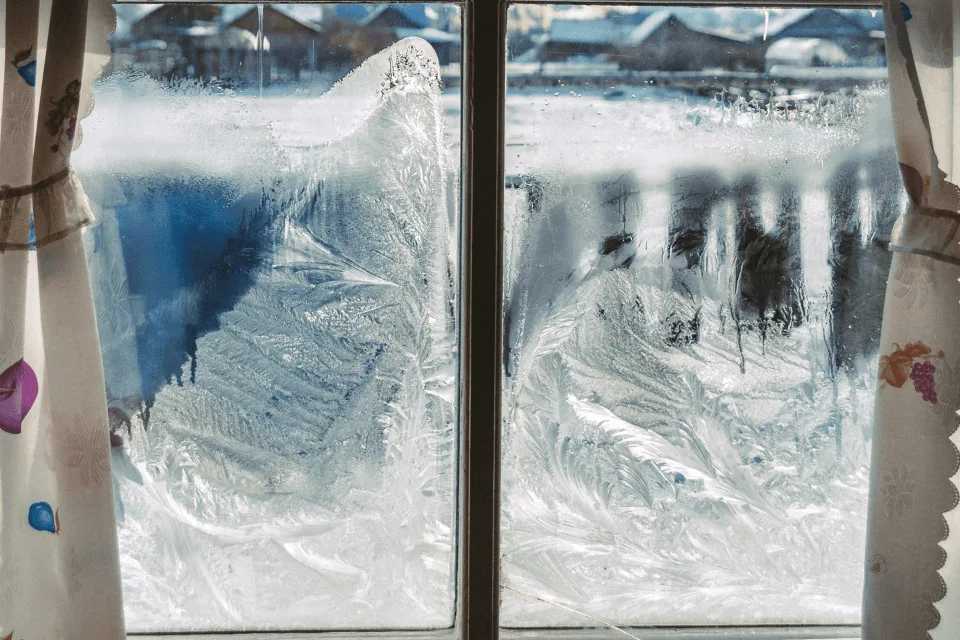
Triple pane windows also keep the inner glass surface warmer in cold weather. A warmer interior surface feels more comfortable near the window, and it reduces the chance of condensation forming on the inside of the glass. People who sit near large windows in cold climates often notice this difference.
Comfort and Condensation
In very cold weather, a window with a cold inner surface can make a room feel drafty even when no air is leaking, because the body loses heat toward the cold surface. A triple pane window narrows that effect. It also helps lower the humidity level at which condensation forms on the glass. This can be useful in homes with high indoor humidity, though condensation is also affected by ventilation, humidity control, and the overall performance of the frame and installation. Energy efficient vinyl windows can be specified with a range of glass packages, and reviewing the performance ratings helps compare them.
Sound Control
Many people assume a third pane will dramatically reduce noise. The effect is often smaller than expected. Sound reduction depends on the thickness of the glass, the use of different thicknesses in the same unit, laminated glass, the width of the air or gas space, and the tightness of the seals. A triple pane window can reduce sound, but a double pane unit with laminated glass or varied glass thicknesses may do as well or better for certain kinds of noise. Anyone buying mainly to reduce noise should look at the sound ratings rather than the pane count.
Weight, Thickness, and Frames
Triple pane units are heavier and thicker. That affects the frame, hardware, and installation. Larger or heavier sashes need sturdy hardware and balances, and the frame must be designed to hold the extra weight. Some frames are built to accommodate the thicker glass, while others are not, which can limit options when replacing windows in older openings. Installation can also be more demanding, particularly for large units.
Cost and Payback
Triple pane windows usually cost more than double pane ones. Whether the added cost is worth it depends on how much energy the home uses for heating and cooling, local utility costs, and how long the owner will stay. In very cold climates, the energy savings and comfort gains tend to be easier to justify. In milder climates, the additional savings can be small, and it may take many years for the energy savings to offset the added cost, if they ever do. Comfort and condensation concerns may still tip the balance for some households.
Climate Considerations
Cold climates with long, hard winters benefit most from extra insulation. In mixed climates with both hot summers and cold winters, a double pane unit with the right coating for the orientation can often perform very well. In hot climates, controlling solar heat gain with the proper coating may matter more than adding a pane. Windows facing south or west may need a different coating than windows facing north.
Other Features That Matter
Several details can influence performance as much as the number of panes:
Low-E coatings tuned to the climate and window orientation
Gas fills, commonly argon, in the sealed spaces
Warm-edge spacers, which reduce heat flow at the glass edge
Frame material and design
Air leakage ratings and quality of installation
Comparing the full set of ratings, including U-factor, solar heat gain coefficient, and air leakage, gives a better picture than comparing pane count alone. Homeowners looking at options for custom vinyl windows often find it helpful to compare glass packages side by side.
Making the Choice
Questions that can guide the decision include how cold the winters are, how much of the house is glass, how comfortable the rooms near windows feel, how long the owner expects to stay, and what the budget allows. For many homes, a good double pane window is a sensible choice. For others, especially in cold regions or on large expanses of glass, the extra layer of a triple pane unit offers noticeable comfort and efficiency benefits. Weighing double pane vs triple pane windows with real numbers and local conditions leads to a decision that fits the home.