Publishers
Science & Tech • Business • Investing & Finance
Why Flexible Workspace Solutions in Colorado Springs Are Ideal for Remote Teams
December 31, 2024

The rise of remote work has transformed how businesses operate, offering employees the freedom to work from anywhere while giving companies access to a global talent pool. However, remote work isn’t without its challenges. Teams often face issues related to collaboration, isolation, and maintaining productivity. Flexible workspace solutions address these challenges by providing dynamic, customizable environments that cater to the needs of remote teams.

In Colorado Springs, a city known for its thriving business community and breathtaking surroundings, flexible workspaces are becoming increasingly popular. Here’s why these solutions are ideal for remote teams and how they can enhance productivity, collaboration, and overall satisfaction.

The Rise of Flexible Workspaces

Flexible workspaces, often referred to as coworking spaces or shared offices, offer a variety of options tailored to modern work environments. These spaces range from hot desks and private offices to fully equipped meeting rooms and collaborative areas. Unlike traditional office leases, flexible workspaces allow businesses to scale their workspace according to their needs, providing cost-effective and adaptable solutions.

Why Colorado Springs is an Ideal Location for Flexible Workspaces

Colorado Springs offers a unique blend of economic opportunity, natural beauty, and a thriving community. It has become a hub for startups, small businesses, and remote teams looking for a balanced work environment. The city’s advantages include:

  • Affordability: Lower cost of living compared to major cities like Denver or Boulder.
  • High Quality of Life: Access to outdoor activities, a strong sense of community, and excellent amenities.
  • Business-Friendly Environment: Supportive policies and a growing entrepreneurial ecosystem.

These factors make Colorado Springs an attractive destination for remote teams and companies seeking flexible workspace solutions.

Benefits of Flexible Workspace Solutions for Remote Teams

1. Enhanced Collaboration and Productivity
Remote teams often struggle with effective collaboration due to physical distance and communication barriers. Flexible workspaces offer:

  • Collaborative Areas: Open spaces and meeting rooms designed to facilitate teamwork and brainstorming sessions.
  • High-Speed Internet: Reliable connectivity ensures seamless communication and access to digital tools.
  • Work-Life Balance: A professional environment helps team members focus and maintain productivity.

By providing a physical space for occasional in-person meetings or project work, flexible workspaces bridge the gap between remote and traditional work models.

2. Cost-Effective Solutions
Traditional office spaces can be expensive and come with long-term lease commitments. Flexible workspaces allow businesses to:

  • Pay Only for What They Use: Options such as hourly, daily, or monthly plans reduce unnecessary costs.
  • Avoid Overheads: Shared amenities like utilities, furniture, and cleaning services eliminate extra expenses.
  • Scale Easily: Businesses can adjust their space requirements as their team grows or changes.

For startups or small teams, this flexibility is invaluable for managing budgets effectively.

3. Access to Professional Amenities
Flexible workspaces are equipped with modern amenities that enhance the work experience, including:

  • Fully Furnished Offices: Ready-to-use spaces eliminate the need for setup.
  • Meeting Rooms and Event Spaces: Ideal for hosting client meetings, workshops, or team-building events.
  • On-Site Support: Facilities like reception, IT support, and printing services make day-to-day operations smoother.

These amenities allow remote teams to operate professionally without the overhead costs of managing their own office.

4. Networking and Community Building
One of the challenges of remote work is the sense of isolation it can create. Flexible workspaces foster community and networking through:

  • Shared Spaces: Encourage casual interactions with professionals from various industries.
  • Community Events: Workshops, social gatherings, and networking events create opportunities for collaboration.
  • Cross-Industry Insights: Exposure to diverse perspectives can inspire innovation and growth.

This sense of community is especially valuable for remote teams who may miss the social aspect of traditional office settings.

5. Customizable Workspaces
Every team has unique needs, and flexible workspaces can be tailored to meet them. Options include:

  • Private Offices: Ideal for focused work or confidential meetings.
  • Dedicated Desks: Reserved spaces for individual team members.
  • Hot Desks: Flexible seating arrangements for team members who work on different schedules.

This adaptability ensures that remote teams have access to the resources and environment they need to thrive.

6. Ideal for Hybrid Work Models
Many companies are adopting hybrid work models, combining remote work with occasional in-office collaboration. Flexible workspaces support this model by:

  • Providing Temporary Spaces: Teams can gather as needed without committing to a permanent office.
  • Offering Central Locations: Convenient access for team members from various areas.
  • Supporting Remote-First Policies: Ensuring remote employees still have access to professional workspaces when required.

This versatility makes flexible workspaces an essential part of modern business strategies.

7. Boosts Employee Satisfaction
Providing access to flexible workspaces demonstrates a company’s commitment to employee well-being. Benefits include:

  • Improved Work Environment: Employees have access to ergonomic furniture, natural lighting, and quiet spaces.
  • Reduced Commute Stress: Convenient locations minimize travel time, especially in a city like Colorado Springs.
  • Access to Amenities: Facilities like coffee bars, fitness centers, and lounges enhance the workday experience.

Satisfied employees are more likely to be engaged, productive, and loyal to their organization.

Why Remote Teams in Colorado Springs Should Consider Flexible Workspaces

1. Proximity to Nature
Colorado Springs offers unparalleled access to outdoor activities like hiking, skiing, and mountain biking. Flexible workspaces in the area often emphasize wellness by incorporating nature-inspired designs, outdoor seating, and fitness facilities.

2. Thriving Business Ecosystem
The city’s business-friendly policies, growing entrepreneurial community, and access to talent make it an ideal location for remote teams. Flexible workspaces serve as hubs for collaboration and networking within this ecosystem.

3. Affordable and Convenient Locations
Compared to larger cities, Colorado Springs offers affordable workspace options in prime locations. Many flexible workspaces are situated near transit hubs, restaurants, and entertainment venues, adding to their appeal.

4. Support for Work-Life Balance
The city’s emphasis on quality of life aligns with the benefits of flexible workspaces. Employees can transition seamlessly between work and leisure, enjoying the city’s vibrant culture and natural beauty.

How to Choose the Right Flexible Workspace in Colorado Springs

When selecting a flexible workspace for your remote team, consider the following:

  • Amenities Offered: Ensure the workspace provides essential amenities like high-speed internet, meeting rooms, and ergonomic furniture.
  • Location and Accessibility: Choose a location that is convenient for your team members and clients.
  • Flexibility of Plans: Look for spaces that offer scalable and customizable plans to match your team’s needs.
  • Community and Culture: Consider the networking opportunities and overall atmosphere of the space.
  • Cost: Compare pricing options to find a solution that fits your budget without compromising quality.

Conclusion

Flexible workspace solutions in Colorado Springs are an ideal choice for remote teams seeking to balance collaboration, productivity, and cost-effectiveness. These spaces offer dynamic environments that cater to modern work needs while taking advantage of the city’s affordability, quality of life, and thriving business community.

By choosing flexible workspaces, remote teams can overcome the challenges of working apart, foster a sense of community, and create an adaptable strategy for success in today’s evolving work landscape. Whether your team is fully remote or operating on a hybrid model, Colorado Springs provides the perfect backdrop for innovation, collaboration, and growth.


community logo
Join the Publishers Community
To read more articles like this, sign up and join my community today
0
What else you may like…
Posts
Articles
How to Compare Online Options for Daily Tadalafil

Why Are Employers Considering Daily Tadalafil Online?

The question of how to compare online options for daily tadalafil matters to employers evaluating confidential access to erectile dysfunction care. This guide explains what HR teams should review, including clinical oversight, privacy, pharmacy fulfillment, employee choice, and total program cost.

A typical service begins with a digital health questionnaire or intake. A licensed clinician reviews the information and decides whether prescribing is appropriate. If approved, a pharmacy fulfills the prescription and ships it to the employee’s home. This process may reduce scheduling friction, limit unnecessary workplace disclosures, and give employees a clearer path through a sensitive care decision.

For HR teams, the central question is access and administration. Employers should not imply that daily tadalafil is suitable for every employee, replace individualized medical assessment with benefit design, or promote one treatment as the expected choice. The company should also understand ...

Prescription-Strength Hair Removal Creams: What to Compare Before You Buy

How does prescription hair removal cream work?

Prescription hair removal cream usually contains eflornithine, a topical medication that slows the growth of unwanted facial hair. It does not dissolve or pull out visible hair when applied, so you still need your usual removal method, such as shaving, plucking, waxing, or a professional procedure.

Eflornithine works by inhibiting ornithine decarboxylase, an enzyme involved in the growth and development of cells within the hair follicle. By affecting this process, the cream can reduce the rate at which facial hair grows. This differs from depilatory creams, which are formulated to break down the hair shaft and produce short-term removal.

The results are gradual rather than immediate. Some people may notice improvement after several weeks, but the cream is not intended to create instant smoothness or replace every hair-removal session. You may need to continue your chosen method while using it.

Eflornithine also does not permanently disable hair follicles. If treatment stops, ...

A Buyer’s Guide to Oral GLP-1 Products: What to Evaluate Before Choosing One

What exactly are GLP-1 drops?

“GLP-1 drops” is a consumer-facing label for liquid or sublingual products marketed to support weight loss. The term does not identify a single drug, standardized dose, or FDA-approved treatment, so employers should evaluate the specific product rather than the label.

Before comparing a drops program with an approved injectable or oral GLP-1 medication, request the active ingredient, concentration, dose, administration route, formulation, prescriber, dispensing pharmacy, and intended use. These details determine what employees are actually receiving and whether the product has a documented clinical basis.

A liquid or sublingual product should not be assumed to be interchangeable with an approved medicine. The FDA states that compounded drugs are not reviewed for safety, effectiveness, or quality before marketing and has warned against describing compounded GLP-1 products as generic equivalents of approved medicines or claiming identical clinical results, according to the agency ...

post photo preview
Telemedicine Consultations at AAIRS Clinic & Troy Sleep Center: Availability and Geographic Access

Patients seeking evaluation through a sleep and multi-specialty practice do not always live within easy reach of a practice’s physical location. AAIRS Clinic & Troy Sleep Center, based in Troy, Michigan, extends access through telemedicine consultations available to patients across the state and in other states where Dr. Michel Alkhalil is licensed. For patients weighing their options, understanding the geographic scope of that availability is a practical starting point.

The practice is led by Dr. Michel Alkhalil, whose clinical work spans sleep medicine, pulmonary medicine, allergy, asthma, and immunology. Telemedicine consultations are available alongside the practice’s in-person services and in-lab or home-based sleep testing options.

Telemedicine Availability at AAIRS Clinic & Troy Sleep Center

The telemedicine services at AAIRS Clinic & Troy Sleep Center are available to patients across Michigan. Beyond the state, telemedicine is available to patients in other states where Dr. Michel Alkhalil holds licensure. Patients outside Michigan who are considering a consultation can contact the practice directly to confirm whether their state falls within the covered geographic area.

Patients considering a virtual appointment can ask about availability and any arrangements relevant to their circumstances. The geographic scope of telemedicine reflects Dr. Michel Alkhalil’s multistate licensure, extending consultation access beyond the Troy, Michigan area. Confirming the patient’s location with the practice helps clarify availability before scheduling.

The clinical scope of the multi-specialty practice at AAIRS Clinic & Troy Sleep Center spans sleep medicine, pulmonary medicine, allergy, asthma, and immunology. Patients can ask which services are available through telemedicine and which involve an in-person visit.

Dr. Michel Alkhalil and the Practice’s Clinical Scope

Dr. Michel Alkhalil leads the practice, whose interpreting physicians are board-certified in Sleep Medicine. His clinical background covers pulmonary medicine, allergy, asthma, and immunology alongside sleep medicine. The practice’s service offering supports coordinated care for patients with overlapping conditions, such as asthma and sleep apnea.

Dr. Michel Alkhalil has received multiple Hour Detroit Top Doc designations, a recognition that applies to him individually. The practice holds a Center of Excellence designation from Inspire, which is an organizational designation. The practice’s sleep lab is accredited by the American Academy of Sleep Medicine, a professional organization in sleep medicine.

These credentials identify different aspects of the practice: physician recognition, an organizational designation, and sleep laboratory accreditation. Sleep studies conducted through the practice are interpreted by board-certified Sleep Medicine physicians.

The practice also maintains working relationships with ENT specialists, dentists, and durable medical equipment providers. These relationships extend the clinical network available to patients beyond services offered directly within the practice and support coordination of care.

In-Person Sleep Testing at Troy Sleep Center

The sleep testing services at AAIRS Clinic & Troy Sleep Center include in-lab testing for adult and pediatric patients at its Troy and Sterling Heights sleep testing locations. Adult home sleep testing is also available, with device pickup or home delivery options.

In-lab studies are interpreted by board-certified Sleep Medicine physicians. The practice’s sleep lab carries AASM accreditation, reflecting adherence to established standards for laboratory operations, patient safety, and care protocols.

Telemedicine consultations and sleep testing are separate services within the practice’s offering. Patients can contact the practice directly to discuss consultation arrangements and available testing options. Questions about a virtual appointment can be considered separately from questions about a laboratory location or obtaining a home testing device.

Insurance and Scheduling

AAIRS Clinic & Troy Sleep Center accepts most major insurance plans. Patients considering a telemedicine consultation can contact the practice to discuss scheduling. Questions about coverage for a particular consultation can be directed to the patient’s insurer.

In-person sleep testing is available at the Troy and Sterling Heights sleep testing locations. Patients new to the practice can ask about appointment availability and what information is requested when scheduling. They may also wish to clarify whether the appointment being discussed is a consultation or a testing appointment.

Patients who are uncertain whether their state is included in Dr. Michel Alkhalil’s telemedicine licensure can contact the practice directly for confirmation before scheduling. A short list of questions about geographic availability, appointment arrangements, and insurance benefits can help organize that conversation. These practical details are separate from determining which clinical services an individual patient needs.

About AAIRS Clinic & Troy Sleep Center

AAIRS Clinic & Troy Sleep Center is a multi-specialty medical practice in Troy, Michigan, offering evaluation and treatment for sleep disorders, pulmonary conditions, allergies, asthma, and immunology concerns. The practice’s sleep lab is accredited by the American Academy of Sleep Medicine, and its interpreting physicians are board-certified in Sleep Medicine. Dr. Michel Alkhalil leads the practice and has received multiple Hour Detroit Top Doc designations.

Telemedicine consultations are available for patients across Michigan and in states where Dr. Michel Alkhalil is licensed. In-lab sleep testing is available for adult and pediatric patients at Troy and Sterling Heights locations; adult home sleep testing is available with device pickup or home delivery. The practice holds a Center of Excellence designation from Inspire and accepts most major insurance plans.

Read full Article
post photo preview
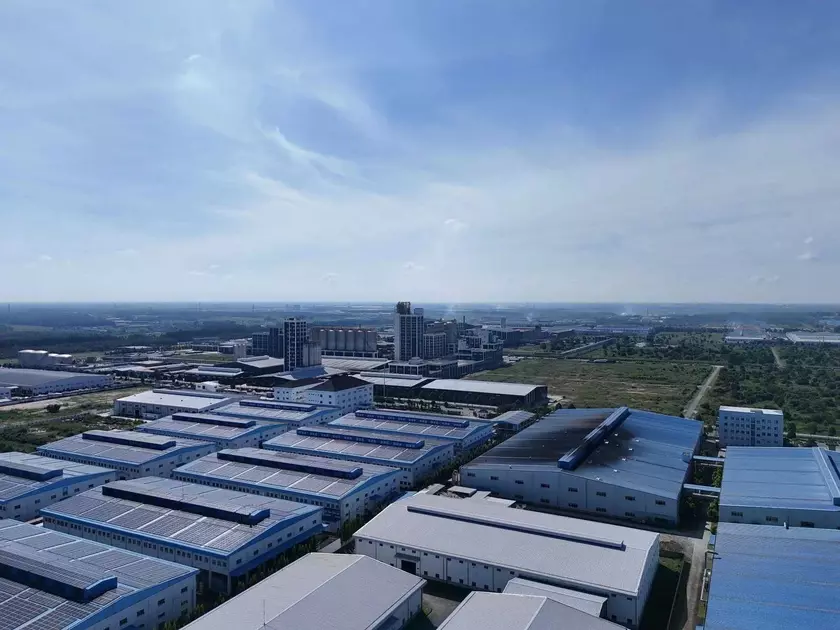
The Human Reality Behind Factory Scaling in 2026

Photo:Vietnam Real Estate

If you turn on any financial news network or skim industry newsletters, you will hear a relentless drumbeat about industrial scale. Executives talk about expanding capacity, opening new assembly hubs, and accelerating production timelines to capture surging demand. On paper, it sounds like a glorious era of manufacturing growth.

Step through the security gates of an active plant, however, and you quickly realize that scaling a factory in 2026 is rarely a software setting you simply dial up. It is a deeply human puzzle.

When an industrial operation expands, every existing operational crack suddenly widens into a canyon. Pushing a plant to produce twice as fast does not automatically make the workforce twice as fast. In fact, if the foundation of how people learn and perform their jobs is flawed, forcing speed onto the floor usually leads to one guaranteed outcome: immediate, compounding friction.

The Myth of the Plug and Play Worker

There is a persistent fantasy in boardrooms that you can hire a group of new technicians, run them through a brief onboarding orientation, and hand them a station assignment with total confidence.

The reality on the line is much more unforgiving.

For decades, manufacturing relied on an invisible safety net. When official documentation was confusing or incomplete, veteran operators filled in the blanks. They knew the quirks of specific machines, the exact feel of a tight fit, and the unwritten shortcuts that kept assembly lines moving. That shared wisdom was the real engine keeping quality high.

Now, as a massive wave of experienced makers reaches retirement age, that safety net is disappearing. Plants are onboarding thousands of newer workers into increasingly complex environments. These incoming operators are capable, eager, and digitally skilled, yet we routinely hand them static paper binders, dense text files, or flat screenshots to guide intricate physical builds.

When a worker has to stop every few minutes to decode a confusing diagram or figure out if a part design was updated yesterday, line velocity dies a slow death. Expecting people to execute complex tasks flawlessly while giving them flat, outdated tools is not a workforce problem. It is an information delivery failure.

Rethinking How Knowledge Flows to the Floor

To scale cleanly, organizations have to stop treating execution guidance as an administrative afterthought. This is where the perspective needs to fundamentally shift from collecting mountain loads of operational data to making knowledge immediately usable for the person holding the tools.

Garth Coleman, the Chief Executive Officer of Canvas Envision, has been pointing directly at this structural blind spot. His view is that while modern industrial companies spend massive fortunes connecting their enterprise systems and cloud databases, they routinely abandon the digital thread at the most critical juncture: the frontline workstation.

The traditional authoring cycle for work instructions has historically been a massive drag on operations. Manufacturing engineers used to spend endless hours taking manual screenshots, converting complex engineering files into static pages, and writing lengthy descriptions. Because creating documentation was so painful, instructions rarely kept pace with daily engineering changes.

When you remove that authoring bottleneck and replace lifeless documents with interactive, visual guidance, the entire dynamic on the shop floor changes.

Instead of reading through pages of abstract instructions, operators can interact directly with dynamic three dimensional representations of what they are assembling. They can rotate parts, inspect spatial relationships, and see exactly how components fit together in real time. The mental strain of interpreting flat paperwork vanishes, replaced by the spatial clarity needed to build with speed and confidence.

Building Confidence At the Point of Work

Scaling an operation is ultimately an exercise in human confidence. When an operator feels uncertain about a step, they hesitate. That hesitation, multiplied across hundreds of workstations and thousands of shifts, is what creates operational bottlenecks.

When new hires walk onto a floor equipped with clear visual guidance, their learning curve collapses from months down to days. They do not have to guess or wait for a busy supervisor to clarify an ambiguous drawing. They have the wisdom of the engineering team and veteran builders delivered straight to their screen at the exact moment of execution.

This approach transforms the workforce experience. It treats the operator with respect, eliminating the mental clutter and frustration that leads to fatigue, quality errors, and high turnover. A confident workforce is naturally an efficient workforce.

The Real Driver of Industrial Scale

The current race for manufacturing scale will not be won by whoever buys the most equipment or announces the biggest expansion plans. It will be won by the companies that realize their most valuable asset is the human being standing at the workbench.

As we navigate the industrial landscape of 2026, real progress requires us to clean up old documentation habits. By taking complex engineering designs and turning them into visual, interactive execution guides, manufacturers can bridge the gap between design and physical reality.

When you give frontline workers the tools they need to succeed, scale takes care of itself. It is time to move past the era of static binders and build a shop floor experience that reflects the true ambition of modern industry.

Read full Article
post photo preview
International Estate Planning in the Netherlands: What Expats Need to Know

International estate planning Netherlands expats navigate is one of the most complex and most consistently deferred areas of legal planning for Americans living in the Netherlands — deferred because it doesn’t feel urgent until it suddenly is, and complex because the interaction between Dutch succession law, EU succession regulations, American estate law, and the specific asset profile of someone who has lived and worked in multiple countries creates a planning challenge that no single jurisdiction’s standard estate planning framework fully addresses. Understanding what the key issues are and what decisions need to be made is what allows expats to approach this planning proactively rather than leaving it to be resolved by surviving family members under the worst possible circumstances.

The EU Succession Regulation and Why It Matters

The starting point for international estate planning in the Netherlands for American expats is the EU Succession Regulation — an EU-wide rule that determines which country’s law governs the succession of a deceased person’s estate when the death involves multiple EU member states. Under the regulation the default rule is that the law of the country of habitual residence at the time of death governs succession — which for an American living in the Netherlands means Dutch succession law would apply by default.

The regulation allows individuals to make an explicit choice of the law of their nationality to govern their succession — which means an American expat can elect that their estate is governed by the law of their American state of domicile rather than Dutch law. Whether making that election is advantageous depends on a comparison of what Dutch succession law provides versus what the applicable American state law provides for the specific person’s family situation and asset profile — which requires legal analysis rather than a blanket recommendation either direction.

Dutch Forced Heirship and Its Implications

One of the most significant differences between Dutch succession law and American estate law is the Dutch forced heirship provision — the legitieme portie — that entitles children of the deceased to a minimum share of the estate regardless of what the will says. Under Dutch law, children who are disinherited or whose share under the will is less than the forced share can claim their legitieme portie from the estate — which limits testamentary freedom in ways that American estate planning doesn’t encounter.

For American expats who want to leave their estate in a specific way that Dutch forced heirship would override — leaving everything to a surviving spouse, making unequal distributions among children, or directing assets to charitable beneficiaries — understanding whether and how the forced heirship provisions apply to their specific situation, and whether electing the law of their American nationality would avoid them, is a foundational estate planning question that family law expertise in Dutch succession law addresses directly.

Assets in Multiple Countries

The practical complexity of international estate planning for Netherlands-based expats typically involves assets in both the Netherlands and the United States — Dutch real estate, Dutch pension and retirement accounts, Dutch bank accounts, and Dutch business interests alongside American retirement accounts, American real estate, American financial accounts, and American business interests. Each category of asset may be subject to different legal frameworks, different tax treatment, and different probate or administration requirements depending on where the asset is located.

Dutch real estate passes through Dutch succession procedures regardless of where the deceased was domiciled or what nationality law election was made — the law of the situs governs real property succession in virtually all international estate contexts. American retirement accounts like IRAs and 401(k)s pass by beneficiary designation outside of the will and outside of probate, which means the estate plan needs to coordinate the will’s provisions with the beneficiary designations on retirement accounts rather than assuming the will controls everything.

Tax Considerations in Dutch-American Estate Planning

Dutch inheritance tax — erfbelasting — applies to inheritances received by Dutch residents and to Dutch-situated assets inherited by non-residents, at rates that vary by the relationship between the deceased and the beneficiary. The Netherlands and the United States don’t have an estate and inheritance tax treaty, which means assets can potentially be subject to both American estate tax and Dutch inheritance tax without a treaty mechanism to eliminate the double taxation.

The international corporate lawyers and family law practitioners who handle cross-border estate planning for Netherlands-based expats work with tax advisors in both jurisdictions to structure planning that minimizes the double taxation exposure while meeting the legal requirements of both systems — which requires coordinated advice rather than advice from either jurisdiction in isolation.

Making a Will That Works in Both Countries

The practical output of international estate planning for a Netherlands-based American expat is typically a will — or coordinated wills in both countries — that is valid under Dutch law, that makes the appropriate nationality law election if that election is advantageous, that coordinates with American assets and beneficiary designations, and that gives the executor or personal representative the authority and the guidance to administer an estate that spans two legal systems. A will drafted by an American attorney without Dutch law input may not achieve the intended results in the Netherlands, and vice versa — which is why the coordination between legal advisors in both jurisdictions is as important as the quality of the advice in either one.

Read full Article
Available on mobile and TV devices
google store google store app store app store
google store google store app tv store app tv store amazon store amazon store roku store roku store
Powered by Locals