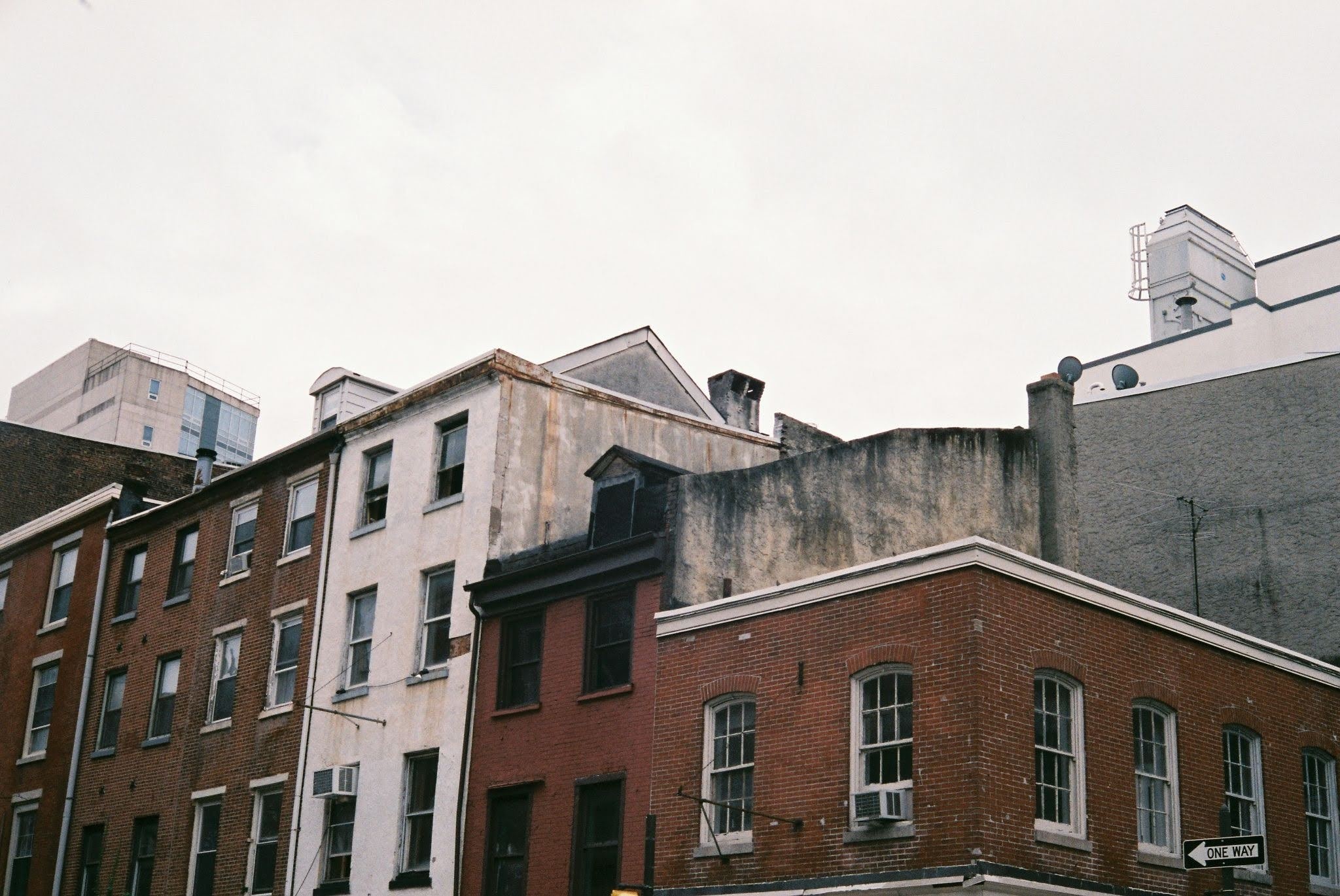
Philadelphia's historic rowhomes are among the city's greatest architectural treasures, but beneath their brick facades lies an often-overlooked safety concern that many homeowners never consider until an emergency occurs. While furnaces and boilers receive routine servicing, the chimney systems responsible for safely venting combustion gases frequently go decades without inspection.
That oversight can have serious consequences. According to Joe Ochal, founder of Chimney Scientists, one of the largest chimney companies in the U.S., many carbon monoxide problems originate not with the heating appliance itself, but with the aging chimney connected to it.
"Most of Philadelphia's housing stock is old," Ochal says. "The clay flue liners inside masonry chimneys begin to break down after 20 to 30 years, sometimes sooner. Once that happens, carbon monoxide can vent into the wall cavity or the basement instead of safely leaving the home."
Because many Philadelphia rowhomes were built more than a century ago, their chimney systems were designed for a different era of heating equipment. While furnaces and boilers have been upgraded over the decades, the chimneys serving them often have not.
One of the biggest misconceptions homeowners have is assuming that if the heating system appears to be operating normally, the venting system must also be functioning safely.
"I don't think many people even realize they have a chimney," Ochal explains. "Especially in the city, the chimney is often in the center of the roof where homeowners rarely see it. HVAC companies service the appliance, but they typically don't inspect the chimney itself."
That disconnect creates a hidden maintenance gap.
At Chimney Scientists, inspection data has revealed just how common these problems can be.
"When we inspect heater chimneys that are more than 30 years old and have never been restored, about 66% of them have carbon monoxide venting into the basement at levels between 1 and 35 parts per million," Ochal says. "Those levels are usually too low for a homeowner's carbon monoxide detector to activate, but they can still contribute to sluggishness, irritability, and headaches."
Historic rowhomes introduce another challenge that many residents never consider: shared chimney structures.
Many attached homes contain multiple flues housed within a single masonry chimney. While each residence typically has its own flue, deterioration inside one can affect neighboring properties if gases migrate through damaged masonry or shared cavities.
"If you live in a twin or a rowhome, you may share a chimney structure with your neighbor," Ochal says. "You can repair your own flue, but if your neighbor's has deteriorated, exhaust gases may still find their way into both homes. That's why awareness is so important."
Unfortunately, homeowners usually cannot identify these problems on their own.
"The majority of warning signs are only visible with a camera inspection," Ochal says. "By the time you can see damage from the outside, the interior of the chimney has often already begun to fall apart."
That is why specialized chimney inspections are essential for older Philadelphia homes, especially because many hidden venting problems and hidden carbon monoxide risks in Philadelphia rowhomes cannot be identified during a standard home inspection.
While a standard home inspection evaluates the property's overall condition, chimney inspections use camera systems to examine internal flue liners, identify hidden deterioration, detect blockages, and uncover venting issues that cannot be seen from the exterior.
The stakes become even higher during real estate transactions.
"Get a chimney inspection before you purchase the property," Ochal says. "We've seen buyers discover significant chimney issues late in the sales process that completely changed the economics of the purchase."
He recalls one particularly striking example.
"The highest repair estimate we've seen following a real estate inspection was $289,000 for an 1800s Philadelphia home," he says. "The property needed eight fireplace restorations, multiple chimney rebuilds, exterior masonry repairs, and a new liner to stop a carbon monoxide leak."
For homeowners living in older Philadelphia neighborhoods, Ochal believes chimney inspections deserve the same attention as roofing or HVAC maintenance.
"People expect to replace a roof every few decades and eventually replace an HVAC system," he says. "Chimneys require maintenance too. The difference is that homeowners often forget they're even there until something goes wrong."
As another heating season approaches, a proactive chimney inspection may be one of the simplest steps homeowners can take to identify hidden hazards before they become costly repairs or dangerous emergencies.