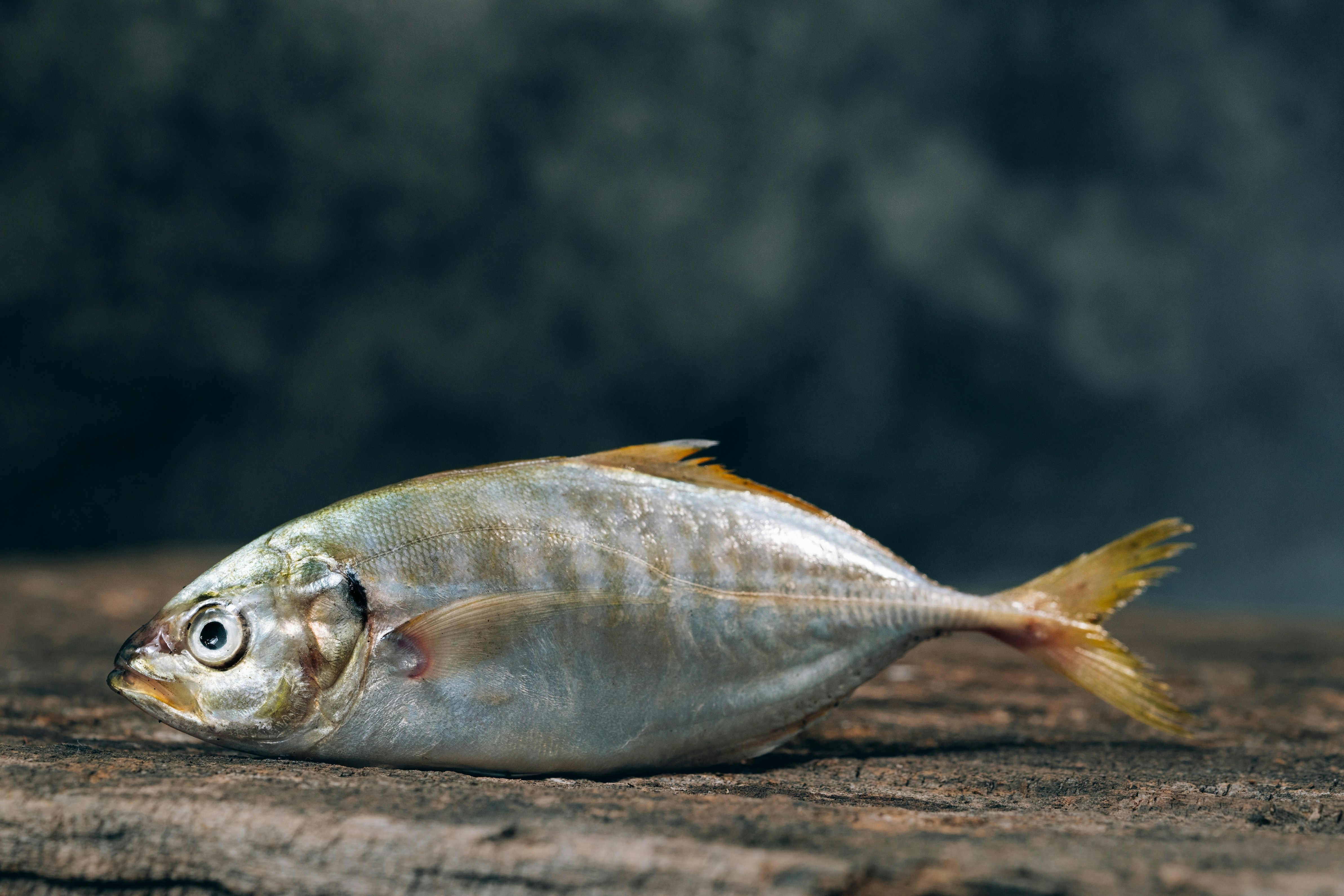
Fish farming is currently booming. With wild fish populations under pressure, aquaculture is stepping up to put seafood on our tables. Whether you're running a small pond setup or managing a vast indoor recirculating system, the success of your operation hinges on picking the right species. You also need the right gear. Stocking up on top-tier commercial fishing supplies gives your farm the solid foundation it needs to thrive. But even with the best equipment, you can't force a square peg into a round hole. You have to match your fish to your local climate, water resources, and target market. Let's look at a few types of fish that consistently perform well in farming environments.
Tilapia: The Versatile Survivor
If there's a poster child for modern fish farming, it's tilapia. This hardy fish adapts to a wide range of water conditions and handles crowding better than almost anything else with fins. Tilapia grow quickly on a mostly vegetarian diet, which keeps your feed costs down. They prefer warmer water, making them perfect for tropical climates or climate-controlled indoor setups. Because they're so resilient, they're incredibly forgiving for newcomers entering the aquaculture industry. Plus, their mild, flaky white meat is always a hit at the grocery store, guaranteeing a steady market demand.
Catfish: The Southern Staple
In the United States, catfish reign supreme in the aquaculture sector. They thrive in freshwater ponds, especially in the southern states where the long, warm seasons perfectly suit their growth cycle. Catfish are bottom feeders with an excellent feed conversion ratio, meaning they turn feed into body weight efficiently. They don't require the highly specialized, protein-dense diets that carnivorous fish do, which helps keep operating expenses in check. They're also tough enough to withstand variations in water quality that might wipe out more sensitive species. When you're managing large outdoor ponds, knowing your stock can handle a little environmental stress gives you incredible peace of mind. Farmers love them because they're reliable year after year, and consumers love them fried on a Friday night.
Salmon: The Premium Catch
If you have the capital and the right setup, farming Atlantic or Pacific salmon can be incredibly profitable. Salmon require cold, highly oxygenated water. Traditionally, they're raised in coastal net pens, but advanced recirculating aquaculture systems are making it possible to raise them completely inland. Farming salmon isn't easy. They need a rich diet and pristine water quality to prevent disease outbreaks. You also have to carefully monitor the water temperature since they can't survive in warm conditions. However, the payoff is substantial. The global appetite for salmon just keeps growing, and buyers are willing to pay top dollar for farm-raised fillets that are rich in healthy fats.
Rainbow Trout: Fast Growers in Cold Water
Closely related to salmon, rainbow trout are another fantastic cold-water option. They do exceptionally well in flow-through systems, like concrete raceways, where fresh water continuously runs over them. Trout demand clean, well-oxygenated water, so you can't cut corners on your filtration and aeration systems. If you provide the right environment, they grow remarkably fast. They reach market size in a matter of months, allowing for a quick return on your initial investment. Like salmon, they command a premium price at restaurants and seafood markets. Since they're naturally schooling fish, they do well in higher densities as long as the water stays clean and cool throughout the year.
Carp: The Global Giant
While they might not be the most glamorous fish on an American dinner menu, carp dominate the global aquaculture scene in sheer volume. In many parts of the world, species like grass carp, silver carp, and common carp are essential sources of daily protein. They're incredibly robust, tolerating poor water quality and wide temperature fluctuations that'd be fatal to other fish. Carp are often raised in polyculture systems, meaning they share ponds with other species. They utilize different levels of the food chain to maximize the pond's overall yield without competing for the same resources. If your goal is to produce a large volume of affordable protein for local markets, carp are hard to beat.
Yellow Perch and Bluegill: The Midwest Favorites
If you're farming in the Midwest or northern regions, species like yellow perch and bluegill offer a unique niche. Researchers and breeders have developed fast-growing strains of these panfish specifically for the aquaculture industry. They thrive in cooler pond environments and are a staple at regional fish fries. Because the wild catch for these species is highly regulated or limited, farm-raised perch and bluegill fill a significant gap in the local supply chain. They require a bit more specific care than catfish, but the strong regional demand makes them a highly lucrative choice.
Matching the Fish to the Farm
Starting or expanding an aquaculture business isn't a one-size-fits-all endeavor. The fish you choose dictates everything else about your operation, from the temperature of your water to the type of feed you buy. Tilapia and catfish offer a forgiving starting point for warmer climates, while salmon and trout provide high-value returns for cold-water setups. When you pair the right species with high-quality gear, a solid business plan, and careful water management, you're setting yourself up for long-term success. The water is waiting; you just have to decide what to put in it.