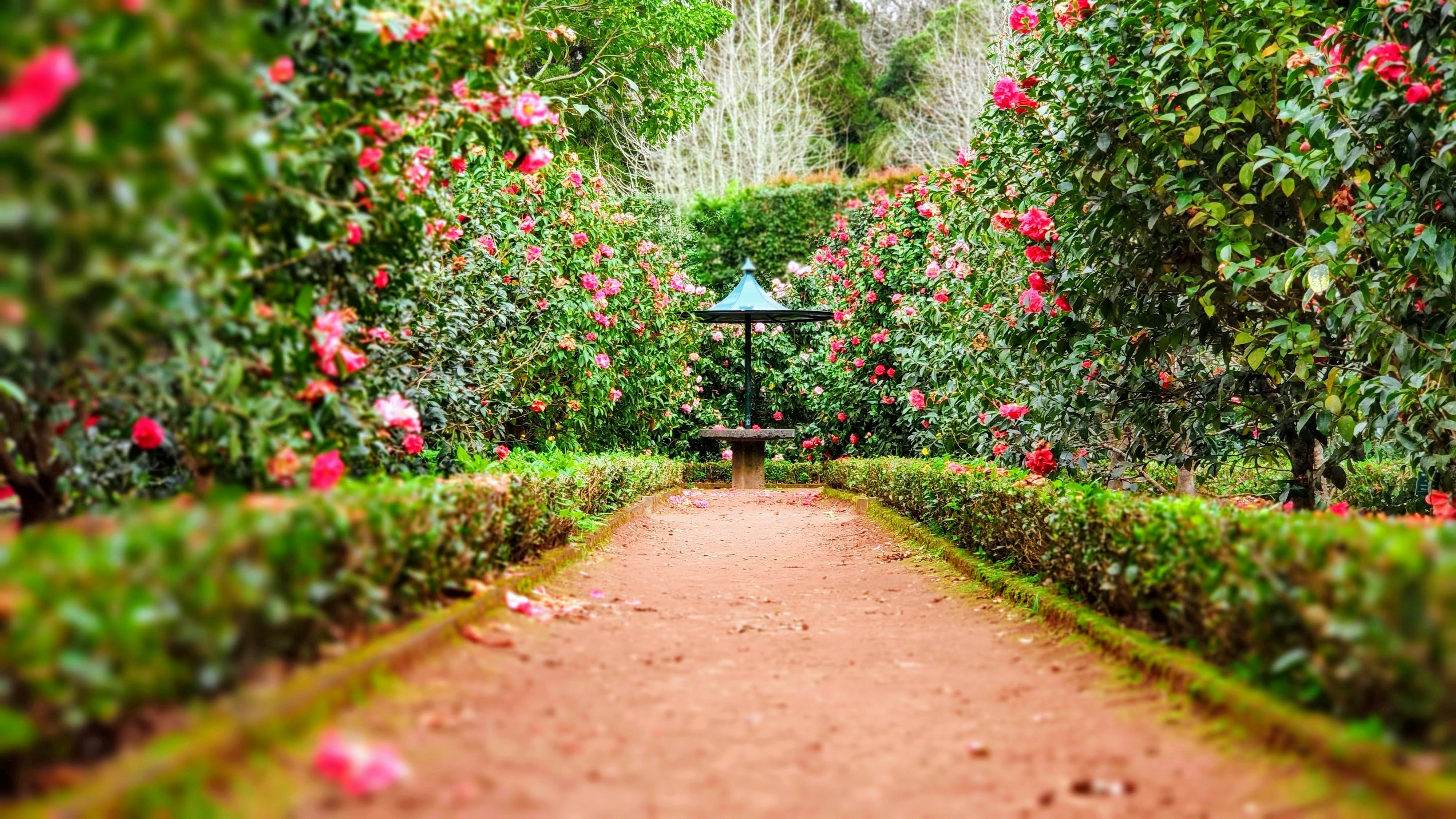
When you look at a beautifully planned outdoor space, you aren't just looking at a collection of plants. You're looking at a living, breathing canvas. A truly spectacular yard doesn't happen by accident. It requires a deep understanding of the exact same principles a painter uses when standing in front of an easel. This is why hiring a professional garden designer makes such a profound difference. They don't just pick flowers based on what looks nice at the local nursery; they curate an environment using established artistic fundamentals. From understanding color theory to creating visual rhythm, custom landscaping bridges the gap between nature and fine art. Let's explore exactly how these professionals use artistic elements to transform an ordinary backyard into a true masterpiece.
Applying Classic Color Theory
Painters rely on the color wheel to evoke specific emotions, and landscapers do the same thing with foliage and petals. It isn't just about throwing every bright shade into a flowerbed and hoping for the best. A skilled professional knows how to use complementary colors to make certain areas visually pop. For example, planting vibrant purple salvia next to bright yellow daylilies creates a striking visual contrast that instantly draws the eye.
Conversely, if you want a calming, serene retreat, a designer will use an analogous color plan. They'll blend cool blues, soft purples, and varying shades of silver to create a relaxing atmosphere that lowers your heart rate the second you step outside. They also account for the passage of time. A painter's canvas stays the same forever, but a yard changes with the seasons. A great design ensures that when the spring pinks fade, the fiery oranges and reds of autumn are waiting to take the stage seamlessly.
Playing with Texture and Contrast
Visual art isn't just about color; it's deeply dependent on texture to build interest. If every plant in your yard has the same small, oval leaf, the entire space will look flat and boring, regardless of how many flowers bloom. Designers intentionally mix different textures to build depth and complexity.
They'll pair the feathery, wispy fronds of an ornamental grass with the bold, broad leaves of a hosta. This stark contrast makes both plants look better than they would on their own. But texture doesn't stop with the plants themselves. Hardscaping materials play a vital role in the artistic composition. The smooth, sleek finish of a poured concrete retaining wall provides a beautiful backdrop for the rough, jagged edges of natural stone pathways or the delicate, trailing vines of creeping thyme.
Establishing Form and Structure
Every great sculpture relies on a strong physical form, and a yard is no different. In landscaping, form refers to the three-dimensional shape of the plants and the hardscape elements. Before filling in the small details, a designer establishes the structural backbone of the space.
They look at the upright, columnar shape of an arborvitae to draw the eye upward and create distinct property boundaries. They use the weeping, cascading form of a Japanese maple to soften sharp architectural corners on your house. By mixing rounded boxwoods with spiky yuccas, they create a dynamic environment that feels completely balanced. This structural framework ensures the space looks incredible even in the dead of winter when all the colorful blossoms are long gone.
Creating Visual Rhythm and Movement
A successful piece of art keeps your eyes moving across the canvas. If a painting only has one interesting spot, you stare at it for a second and walk away. In landscaping, creating this visual flow is called rhythm. You achieve rhythm through careful, intentional repetition.
If you plant a specific type of bright red rosebush in the front left corner of your yard, placing a few more of those same bushes along a curving pathway guides the visitor's eye right through the space. But movement in a yard isn't just visual; it's also physical. A good layout captures the wind. Tall, delicate grasses that sway in a gentle breeze add a kinetic, living energy to the design that a static statue simply can't replicate.
Framing and Manipulating Perspective
Photographers and painters use framing to highlight their subjects, and outdoor designers use this same technique to shape your experience of the space. They use physical elements like wooden pergolas, stone archways, or a pair of perfectly matched trees to frame a specific view. When you look through that structural frame, your attention is forced exactly where the designer wants it, whether that's a beautiful water fountain, a cozy fire pit, or a distant mountain view.
They also manipulate perspective to play tricks on the eye. If you have a shallow, cramped backyard, a designer can easily create the illusion of depth. By planting warmer, brighter colors up close and using cooler, muted colors in the back, the space magically feels much larger than it actually is. It's a classic painter's trick applied directly to the soil.
Crafting an Immersive Experience
Designing a stunning outdoor environment goes far beyond basic gardening. It requires a trained eye, a deep understanding of natural materials, and a firm grasp of classic artistic principles. When you treat your property as a blank canvas, the design possibilities are virtually endless. By carefully balancing color, texture, form, and rhythm, a professional can craft an immersive, living piece of art right outside your back door. You aren't just planting flowers; you're cultivating a masterpiece that grows, changes, and becomes more beautiful with every passing year.