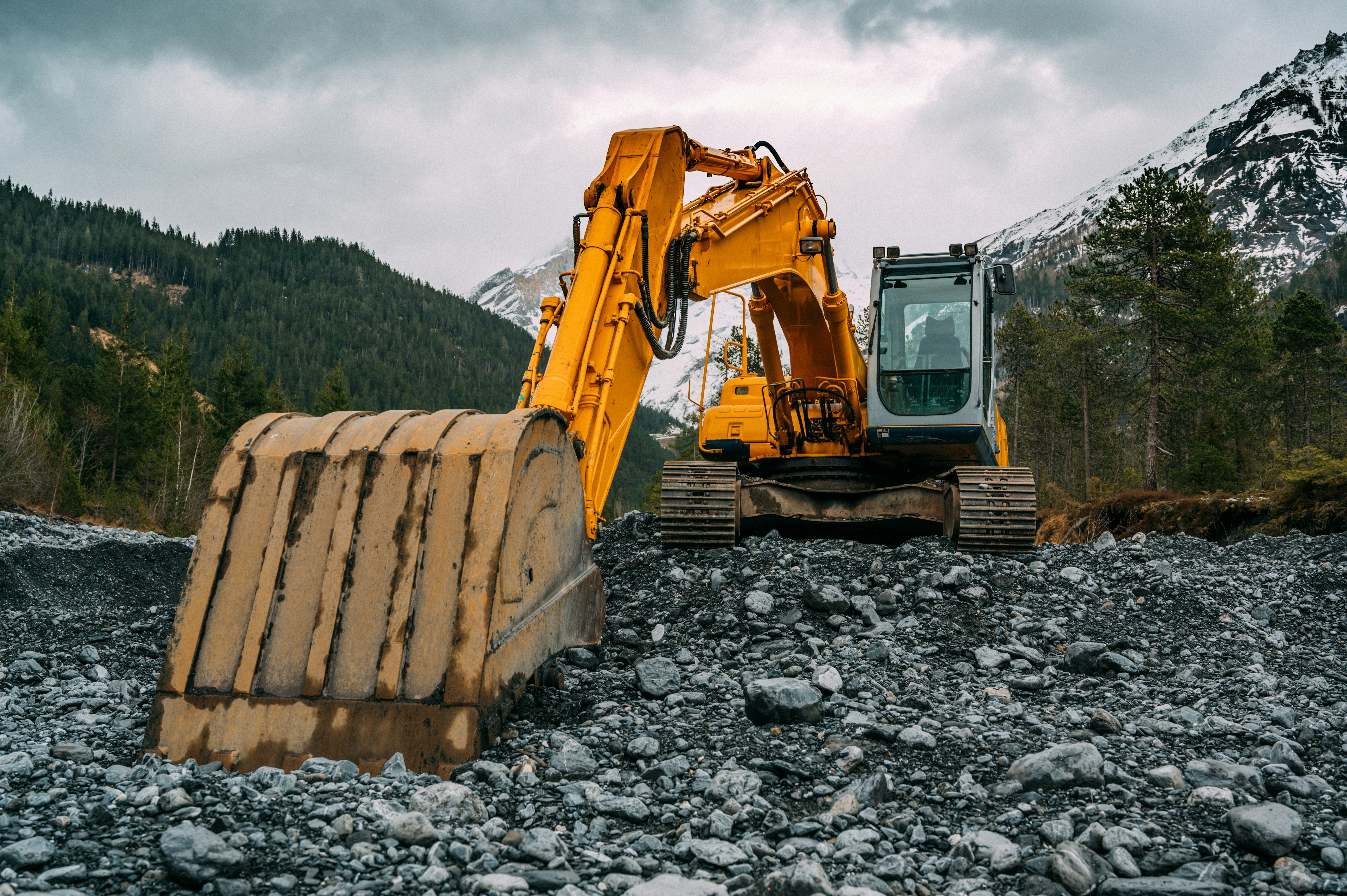
Walk onto any active job site, and the first thing you notice is the noise. The massive diesel engines usually get all the credit for doing the heavy lifting. But the engine alone is not what pushes an eighty-thousand-pound excavator through three feet of thick mud. The actual movement happens down in the dirt, hidden away inside the undercarriage.
Tucked right inside the track hubs are the final drive motors. These components take the pressurized hydraulic fluid pumped from the main engine and turn it into raw, ground-tearing torque. If one of these gives out, you do not just have a sluggish machine; you have a giant, highly expensive metal paperweight blocking your site. It is easy to overlook these parts until they break and ruin your schedule. But entire sectors of the global economy absolutely depend on them functioning flawlessly day after day. Let’s take a look at the specific industries that would be completely stranded without reliable track power.
Dirt Work and Commercial Construction
If you drive past a new residential subdivision or a major highway expansion, crawler excavators and compact track loaders are everywhere. Construction sites are messy by design. Crews constantly deal with soft dirt, rain, and uneven grades. If a contractor tried to use wheeled loaders for every single task, the machines would just sink up to the axles and spin out.
Heavy machines distribute their massive weight over a larger surface area, allowing them to literally float over soft terrain. The final drive motors power those rubber and steel tracks through endless cycles of stopping, pivoting, and pushing. Operators treat this equipment incredibly hard. They spend all day digging deep utility trenches, grading dense soil, and loading dump trucks, constantly shifting directions. The final drive motors take the brunt of that daily abuse, ensuring the machine can actually crawl down into a steep pit and safely crawl back out.
Mining and Surface Quarrying
Construction is tough, but the mining sector is a different beast entirely. Getting raw ore out of the ground happens on a strict, round-the-clock schedule. Whether it is a deep underground shaft or a sprawling surface quarry, the machinery used here is absurdly large. Massive hydraulic shovels and heavy crawler dozers haul hundreds of tons of rock during a single shift.
The gearboxes and drives propelling these monsters have to survive highly abrasive environments. Rock dust, sharp grit, and corrosive groundwater constantly batter the undercarriage seals. When a drive fails in a mining pit, the financial hit is immediate and painful. A broken machine blocks the main haul road, which halts production for the entire site. The components used in this industry are engineered specifically to survive harsh conditions that would destroy normal consumer equipment in a matter of days.
High-Yield Farming and Agriculture
You probably picture standard wheeled tractors when you think of farming. But modern agriculture is highly focused on soil health, and rubber tires cause severe soil compaction. When dirt gets packed down too hard by heavy machinery, delicate crop roots cannot grow properly, and rainwater simply runs off the surface instead of soaking in.
To fix this problem, large farming operations rely heavily on tractors and specialized combine harvesters. The motors driving these tracks allow farmers to pull massive planting implements without crushing the soil beneath them. Timing is everything in farming. When harvest season rolls around and the fields are a muddy mess from early fall storms, a tractor is practically useless. Tracked harvesters power straight through the muck, saving valuable crops that would otherwise be left to rot in the field.
Timber Extraction and Forestry
Forestry work presents one of the most brutal environments for any piece of machinery. Logging crews do not get the luxury of flat, paved surfaces. They work on steep mountainsides, push through dense brush, and navigate slick, rain-soaked forest floors.
The heavy machines handling this work—feller bunchers, skidders, and forwarders—are almost exclusively tracked. The hydraulic drives have to generate enough torque to push steel tracks over massive hidden stumps and jagged rocks. Breaking down in the woods is a logistical nightmare. You cannot easily call a tow truck to haul a broken feller buncher out of a dense pine forest miles away from the nearest highway. The final drive motors used in the timber industry have to be rugged and heavily shielded against constant physical impacts from flying debris.
Demolition and Site Clearing
Tearing a commercial building down is chaotic and highly dangerous. The ground on a demolition site is littered with sharp rebar, crushed concrete, and twisted steel beams. Driving a standard wheeled loader into that mess is a guaranteed way to blow a tire in five minutes.
Demolition crews rely on tracked excavators equipped with concrete crushers and hydraulic shears. The final drive motors give these machines the solid stability needed to safely crawl right over piles of unstable rubble. They provide a rock-solid base so the operator can reach high up into the air and pull down structural walls without tipping the machine over. The drives keep the equipment moving safely through a literal debris field.
Keeping the Economy Moving
It is very easy to take heavy infrastructure completely for granted. We just expect roads to be paved, fields to be harvested, and new buildings to go up on schedule. But the physical force making all of that happen relies heavily on hydraulic power. Without the raw torque provided by final drive motors, the biggest industries in the world would literally be stuck in the mud. Proper maintenance and knowing exactly when to replace these vital parts is what keeps the dirt moving and the global economy running on time.