If your windows are drafty, hard to open, or just plain ugly, you've probably already started thinking about replacing them. But once you actually start shopping, it gets overwhelming fast. There are dozens of frame materials, glass options, styles, and price points to sort through. This guide cuts through all of that and focuses on what actually matters when you're buying vinyl replacement windows for your home.
What Are Vinyl Replacement Windows?
Replacement windows are exactly what they sound like — windows designed to fit into your existing window opening without requiring major structural changes to the surrounding wall. They drop into the existing frame, which keeps installation cleaner, faster, and less expensive than a full window tear-out.
Vinyl replacement windows specifically use frames made from PVC, which is the same material found in plumbing pipes and plenty of other durable building products. Modern vinyl frames are reinforced, weather-resistant, and built to last for decades with almost zero maintenance required.
Why Vinyl Is the Most Popular Choice
Walk through any neighborhood where homes have been updated in the last ten to fifteen years and you'll notice vinyl windows everywhere. There's a reason for that. Vinyl hits a sweet spot that other materials don't — it's durable, energy efficient, low maintenance, and affordable all at the same time.
Wood windows look beautiful but they rot, warp, and need repainting regularly. Aluminum windows are strong but they're terrible insulators and tend to sweat in cold weather. Fiberglass is excellent but comes at a price that puts it out of reach for a lot of homeowners. Vinyl threads the needle between all of those options and delivers solid performance at a price that makes sense for most budgets.
What to Expect During Installation
One of the biggest advantages of replacement windows over full-frame new construction windows is how simple the process is. A professional installer measures your existing opening, the new windows are manufactured to those exact dimensions, and installation typically takes one to two days depending on how many windows you're replacing.
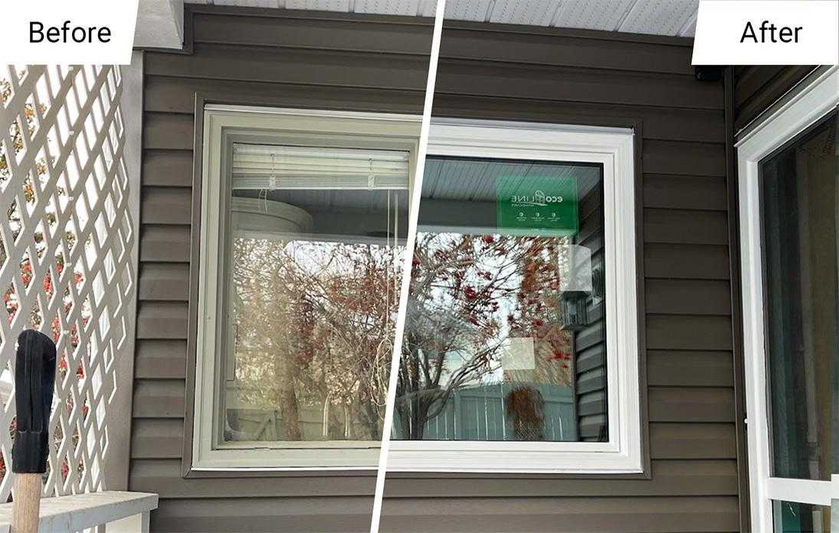
You won't need to repaint walls, rebuild window casings, or deal with major interior disruption. The exterior siding stays intact. Most homeowners are genuinely surprised by how clean and quick the process is when it's done right.
The key word there is right. Installation quality matters just as much as the window itself. A high-performance window installed poorly — with gaps in the weather seal, improper shimming, or loose flashing — will underperform no matter how good the product is. Always work with an experienced, authorized installer who knows the specific product they're putting in.
The Features That Actually Matter
When you're comparing vinyl replacement windows, here's what's worth paying attention to and what isn't.
Pay attention to the glass package. Double-pane glass with Low-E coating and argon gas fill is the baseline for good energy performance. Triple-pane is available and worth considering in very cold climates, but double-pane with a solid Low-E coating handles most situations well.
Pay attention to frame quality. Reinforced corners, multi-chamber frame construction, and tight weather stripping all affect how the window performs over time. A cheap vinyl frame might look the same on day one but won't hold up as well through years of temperature changes.
Pay attention to the warranty. A lifetime warranty that covers both the product and the glass — including accidental breakage — is a sign that the manufacturer stands behind what they make. Short or limited warranties are a red flag.
Don't get too caught up in color options, decorative grilles, or hardware finishes. Those things matter for aesthetics, but they don't affect performance. Get the performance right first and customize from there.
How Many Windows Should You Replace at Once?
This is a question a lot of homeowners wrestle with. Replacing all your windows at once tends to be more cost-effective per window since installers can knock out the whole job in a single visit. It also means your home benefits from consistent performance across every opening rather than a patchwork of old and new.
That said, if budget is a constraint, prioritizing the windows that face north and south, or the ones in your most-used rooms, gets you the biggest impact per dollar. A good installer can walk you through the math on your specific home.
Getting the Right Fit for Your Home
Every home is different. Older homes especially can have window openings that are out of square, slightly irregular, or built to non-standard dimensions. This is exactly why custom sizing matters. Vinyl replacement windows can be manufactured to precise measurements so you're not forcing a standard size into an opening it doesn't quite fit.
For a closer look at the styles, configurations, and glass packages available, this vinyl replacement windows options page is a solid starting point for understanding what's out there before you talk to a dealer.
The Bottom Line
Vinyl replacement windows are one of the most practical home upgrades you can make. They improve comfort, reduce energy costs, require almost no upkeep, and hold up for decades. If your current windows are more than fifteen to twenty years old, the difference between what you have and what's available today is significant — and you'll feel it immediately after installation.
Do your homework, work with a qualified installer, and don't cut corners on glass or frame quality. The upfront investment is worth it.