Introduction
Older homes and mixed-use buildings throughout Brooklyn often have architectural charm that newer properties cannot replicate. Brick facades, masonry chimneys, and classic rooflines add character, but they also require regular upkeep. One area that is often overlooked until a problem becomes obvious is the chimney. Annual chimney inspections can help property owners catch early signs of damage, improve safety, and avoid more costly repairs later.
Why Chimneys in Older Brooklyn Buildings Need More Attention
In neighborhoods like Downtown Brooklyn, many buildings are exposed to year-round weather changes, moisture, and the gradual wear that comes with age. Chimneys are especially vulnerable because they sit above the roofline and absorb the full impact of wind, rain, freezing temperatures, and heat. Over time, this exposure can lead to cracked mortar, damaged brickwork, liner issues, and water intrusion that affects both the chimney and nearby areas of the home.
What a Chimney Inspection Can Reveal
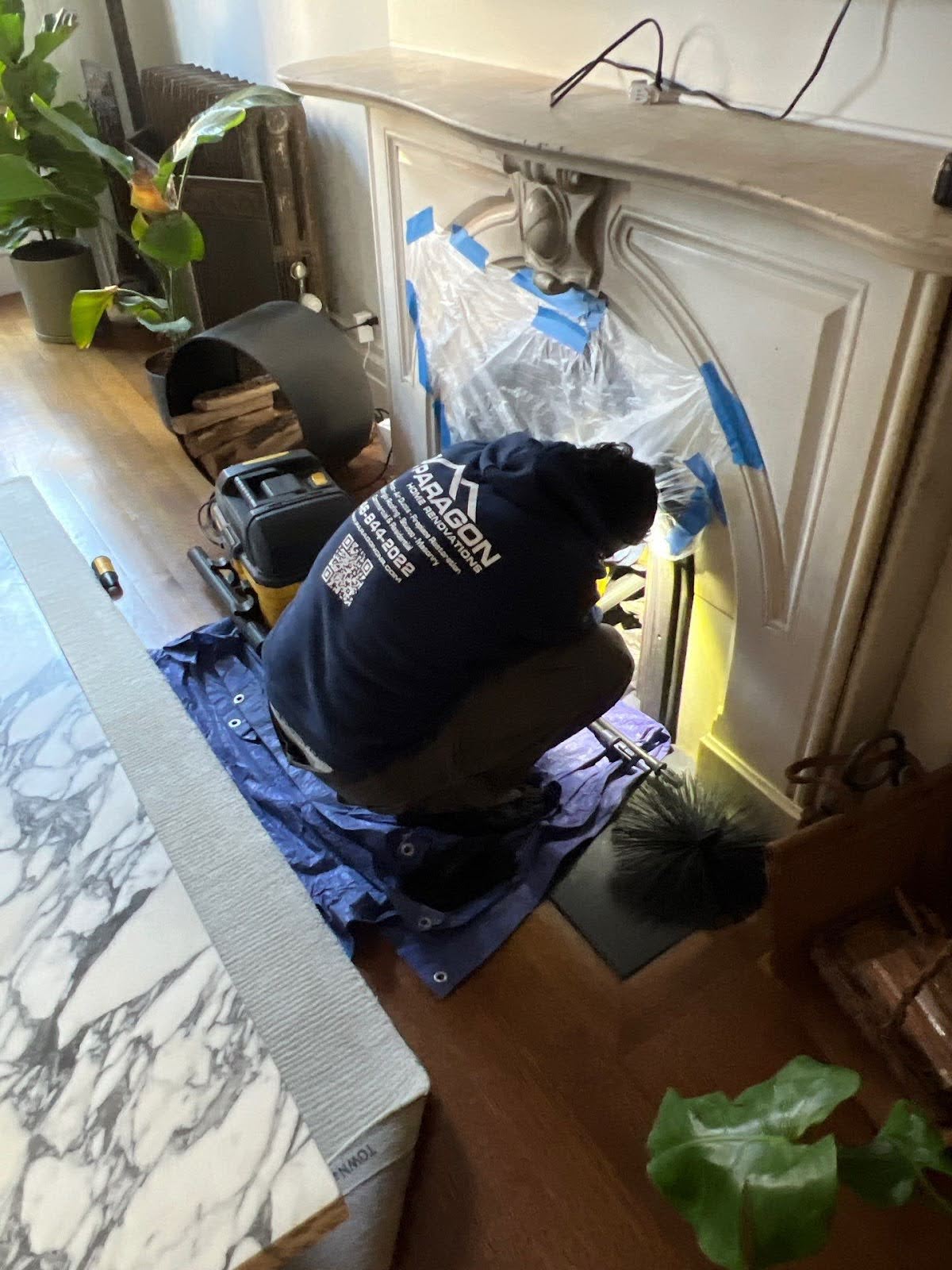
A chimney inspection is more than a quick surface check. A proper assessment helps identify hidden issues that may not be visible from the ground or from inside the home. Blockages, deterioration inside the flue, damaged crowns, loose caps, and signs of water penetration can all develop gradually. Without routine evaluation, these problems may continue unnoticed until they become more serious and more expensive to correct.
Why Annual Inspections Matter for Safety
One of the most important reasons to schedule annual inspections is safety. A damaged chimney system can affect ventilation and allow smoke, gases, or moisture to move where they should not. Even if a fireplace or heating system appears to be working normally, internal wear can still create performance and safety concerns. That is why preventative maintenance is so valuable, especially in older properties where original masonry may already be under stress.
The Impact of Moisture and Freeze-Thaw Damage
Moisture is one of the biggest threats to chimney health. Water can enter through cracked crowns, deteriorated mortar joints, missing caps, or compromised flashing. Once moisture seeps into the masonry, it can begin a cycle of expansion and contraction during colder months. This freeze-thaw effect gradually weakens the chimney structure, causing bricks to loosen and mortar to fail. In many cases, what starts as a minor issue becomes a larger structural repair because the early warning signs were missed.
Common Warning Signs Homeowners Should Watch For
Property owners should pay attention to a few common indicators that suggest a chimney may need professional inspection. These include visible cracks in the mortar, white staining on masonry surfaces, a leaning appearance, rust on the damper or firebox components, water stains near the chimney, musty odors, or pieces of brick or mortar falling away. Some warning signs are more subtle than others, which is why regular inspections remain so important even when there is no obvious leak or performance problem.
Why Early Action Can Save Money
In older urban areas, preventative maintenance is often more cost-effective than waiting for visible damage to spread. A small crack in mortar can sometimes be addressed before it leads to major rebuild work. A damaged liner may be identified before it creates a more serious ventilation issue. A missing or deteriorated chimney cap can be replaced before animals, debris, or rainwater begin affecting the system. Small corrections made at the right time can significantly extend the life of the chimney.
Professional Assessment as the Best Starting Point
Homeowners and property managers researching chimney services in Downtown Brooklyn often find that inspections are the best starting point because they provide a clearer picture of the chimney’s current condition and any work that may be needed. Rather than guessing whether a problem is cosmetic or structural, an inspection helps define the issue and guide the next step.
How Inspections Support Long-Term Maintenance Planning
Another advantage of regular inspections is long-term planning. Not every chimney problem requires immediate major work, but many issues do benefit from monitoring and timely repair. For example, if an inspection reveals worn mortar joints, minor crown damage, or early signs of water intrusion, property owners can schedule repairs before those conditions worsen. This type of proactive approach helps preserve both the function and appearance of the chimney system.
After Severe Weather: Why Reinspection Matters
Annual chimney assessments are also useful after severe weather, especially when heavy rain, strong wind, or freezing conditions may have affected the structure. Even when damage is not immediately visible, the top of the chimney can be compromised in ways that lead to leaks and deterioration over time. Inspections after seasonal weather changes can help confirm whether the system is still in good condition or needs attention.
Conclusion
For older Brooklyn properties, routine chimney care is part of protecting the building as a whole. Chimneys interact with the roof, flashing, masonry, and ventilation system, so problems in one area can quickly affect another. By identifying concerns early, annual inspections help reduce repair costs, improve safety, and support the long-term durability of the property.
In the end, chimney issues are much easier to manage when they are caught early. For owners of older homes and buildings, annual inspections provide a practical way to stay ahead of wear, weather-related damage, and hidden structural problems. A chimney may not always demand attention, but regular evaluation can make a major difference in how well it performs and how long it lasts.