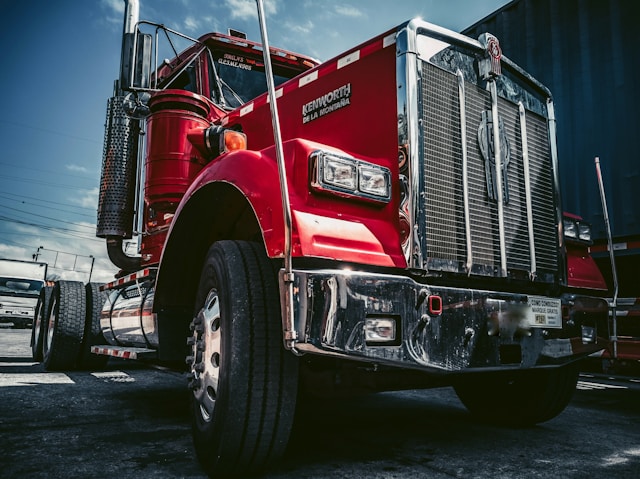
Truck accidents are among the most severe types of vehicular collisions, often resulting in significant injuries, property damage, and long-term emotional and financial strain. Unlike typical car accidents, truck collisions can involve complex liability issues, federal and state regulations, and multi-party litigation. Understanding why seeking professional legal help is essential after a serious truck accident can protect victims’ rights and ensure they receive the compensation they deserve.
The Complexity of Truck Accident Cases
Truck accidents differ from standard motor vehicle accidents in several ways. Commercial trucks are heavily regulated by both state and federal laws, which dictate driver hours, vehicle maintenance, load restrictions, and safety protocols. After an accident, these regulations can play a pivotal role in determining liability.
Multiple Parties May Be Involved
Unlike a typical two-car collision, truck accidents often involve multiple parties. Liability may not rest solely with the truck driver. Potential responsible parties include:
The trucking company: Companies may be liable for negligent hiring, training, or supervision of drivers.
Vehicle manufacturers: If a mechanical failure contributes to the crash, the manufacturer may share liability.
Cargo loaders: Improperly loaded cargo can cause accidents.
Government agencies: Poorly maintained roads or defective traffic signals could also be a factor.
Because responsibility can be spread across multiple entities, navigating a claim without professional help can be daunting. Each party may have its own legal team, making the process more complex and aggressive.
Federal and State Regulations
Commercial trucks operate under strict federal regulations, primarily enforced by the Federal Motor Carrier Safety Administration (FMCSA). These rules cover hours of service, driver qualifications, vehicle inspections, and more. Violations of these regulations are often critical evidence in proving negligence. A legal expert can interpret these regulations and apply them effectively in building a case.
State laws also vary regarding personal injury claims, insurance requirements, and accident reporting. Knowledge of both federal and state frameworks is crucial to pursue a fair settlement or litigation strategy.
Common Consequences of Serious Truck Accidents
Serious truck accidents can result in devastating outcomes that extend far beyond immediate injuries. Victims may face long-term physical, emotional, and financial challenges.
Physical Injuries
Truck collisions often involve enormous force, leading to injuries such as:
Traumatic brain injuries (TBI)
Spinal cord injuries and paralysis
Broken bones and fractures
Internal organ damage
Severe burns or lacerations
These injuries often require extensive medical care, including surgeries, rehabilitation, and long-term therapy. A skilled attorney can help secure compensation that covers these ongoing medical needs.
Emotional and Psychological Trauma
The psychological impact of a truck accident can be profound. Victims may experience anxiety, depression, or post-traumatic stress disorder (PTSD). Such trauma can affect work performance, personal relationships, and overall quality of life. Legal representation can ensure these damages are included in a claim for compensation.
Financial Implications
The financial fallout from a serious truck accident can be overwhelming. Beyond medical expenses, victims often face:
Lost wages and reduced earning capacity
Property damage to vehicles and personal belongings
Costs associated with home modifications or assistive devices for long-term injuries
Without proper legal intervention, insurance companies may offer settlements that fail to fully cover these losses. Legal professionals can evaluate the true extent of damages and fight for adequate compensation.
Why Immediate Legal Assistance Matters
Timing is crucial in truck accident cases. Evidence can be lost, witness memories fade, and legal deadlines—known as statutes of limitations—can expire. Engaging a lawyer early ensures that critical steps are taken to preserve evidence and strengthen a claim.
Evidence Preservation
After a truck accident, evidence such as black box data, maintenance logs, and driver logs must be collected promptly. Delays can allow negligent parties to alter or destroy key information. A lawyer knows what to request and how to secure it, including:
Trucking company records
Federal inspection reports
Surveillance footage or traffic camera records
Witness statements
Insurance Negotiations
Insurance companies often seek to minimize payouts. Victims who attempt to negotiate directly may unknowingly accept a settlement far below what they deserve. Legal guidance ensures that insurance adjusters cannot take advantage of victims, and that all potential compensation—medical, lost wages, property damage, and pain and suffering—is considered.
Strategic Litigation
If a settlement cannot be reached, a legal professional can file a lawsuit and navigate the complexities of courtroom procedures, discovery, and negotiation. Truck accident litigation often requires expert testimony from accident reconstructionists, medical professionals, and industry specialists to establish negligence and liability.
For those looking for expert representation in Pittsburgh, reliable legal guidance for truck accidents can make a substantial difference in the outcome of a claim.
Choosing the Right Legal Representation
Selecting a skilled attorney after a serious truck accident is critical. Not all personal injury lawyers have the experience necessary to handle the intricacies of truck collision cases.
What to Look For in a Truck Accident Lawyer
Experience with commercial truck cases: Handling cases involving federal regulations and multi-party liability.
Proven track record: Success in securing fair settlements or winning verdicts.
Access to experts: Accident reconstructionists, medical specialists, and industry professionals.
Transparent communication: Clear explanations of legal strategies, timelines, and potential outcomes.
To find reputable lawyers, platforms like Martindale provide verified ratings and peer reviews, helping victims make informed decisions.
Initial Consultation Benefits
Most truck accident lawyers offer free consultations. During this initial meeting, attorneys can:
Assess the viability of the case
Explain potential compensation
Outline the steps required for filing a claim or lawsuit
Clarify legal costs and contingency fee structures
This early guidance allows victims to focus on recovery while knowing that their legal rights are protected.
Common Misconceptions About Truck Accident Claims
Several misconceptions may prevent victims from pursuing the compensation they deserve. Understanding these myths is essential.
“The Truck Driver Is Always Responsible”
While truck drivers often play a role, liability is not always straightforward. Factors like company negligence, vehicle defects, or third-party interference can shift or share responsibility. Proper legal evaluation ensures all responsible parties are held accountable.
“Insurance Settlements Are Enough”
Initial offers from insurance companies are often insufficient. Many victims accept quick settlements that fail to cover medical bills, lost income, or long-term rehabilitation. Legal professionals can accurately calculate damages and negotiate or litigate for appropriate compensation.
“I Don’t Need a Lawyer If My Injuries Aren’t Severe”
Even if injuries appear minor initially, complications can arise later. Whiplash, internal injuries, or psychological trauma may not be immediately apparent. A lawyer can safeguard claims for both current and future damages.
Federal Resources and Legal Information
Understanding legal rights after a truck accident can be enhanced by consulting reputable sources. Websites like FindLaw provide comprehensive information on liability, insurance, and injury claims related to truck collisions.
Victims should also be aware of federal agencies such as the FMCSA, which regulate commercial truck operations and maintain safety records. These records can be critical in proving negligence and establishing a timeline of events leading to the accident.
Steps to Take Immediately After a Truck Accident
Taking the right actions immediately following a truck collision can significantly impact a claim. Key steps include:
Seek medical attention immediately: Even minor injuries should be documented.
Document the scene: Take photos, videos, and notes about the accident.
Gather witness information: Names, phone numbers, and statements can be invaluable.
Notify the police: Obtain an official accident report.
Avoid giving detailed statements to insurance adjusters without legal counsel: Anything said can be used to minimize claims.
Following these steps under the guidance of an experienced lawyer can strengthen a case and protect long-term interests.
Conclusion
Serious truck accidents are complex, often involving multiple parties, federal and state regulations, and severe consequences for victims. Attempting to navigate the aftermath without professional support can jeopardize compensation and leave victims vulnerable.
From preserving crucial evidence to negotiating with insurance companies and pursuing litigation, experienced legal representation ensures that victims’ rights are protected and that they receive the compensation they deserve.
Navigating the aftermath of a truck accident is challenging, but with timely legal support, victims can focus on recovery while ensuring their rights and future are fully protected.