Photo By: E. Vitka
For most homeowners, an unexpected chimney repair is an unwelcome expense. For a family already struggling to cover housing, utilities and everyday bills, it can become something more serious: a safety problem with no obvious way to pay for the solution.
That is the gap Philadelphia-based company The Chimney Scientists, founded by Joe Ochal, is trying to address with a new community initiative providing free chimney inspections, maintenance and critical repairs to qualifying homeowners who cannot afford them.
The company announced the program in September, committing annual funding to help Philadelphia residents address chimney conditions that could otherwise leave families facing unsafe homes, or in some cases, without access to heat and hot water until necessary repairs are completed.
The initiative reflects a problem that is easy to overlook when discussing housing affordability. The cost of keeping a home safe does not end with a mortgage or rent payment. Older homes can require specialized maintenance, and when a critical system fails, the expense can arrive without warning.
When a Home Repair Becomes a Safety Issue
Chimney problems are not always visible from inside a home. A homeowner may notice a leak, crumbling masonry or another obvious sign of deterioration, but other problems can involve the chimney's ability to safely vent combustion gases from fuel-burning appliances.
That can make the financial consequences of deferred maintenance more serious than those associated with an ordinary home repair.
The Chimney Scientists, which serves homeowners throughout the greater Philadelphia region, regularly encounters chimney systems in older properties that require repairs ranging from masonry restoration to liner work and other forms of maintenance. The company says some families discover they need critical work but simply do not have the money available to address it.
In those situations, the financial barrier can effectively become a safety barrier.
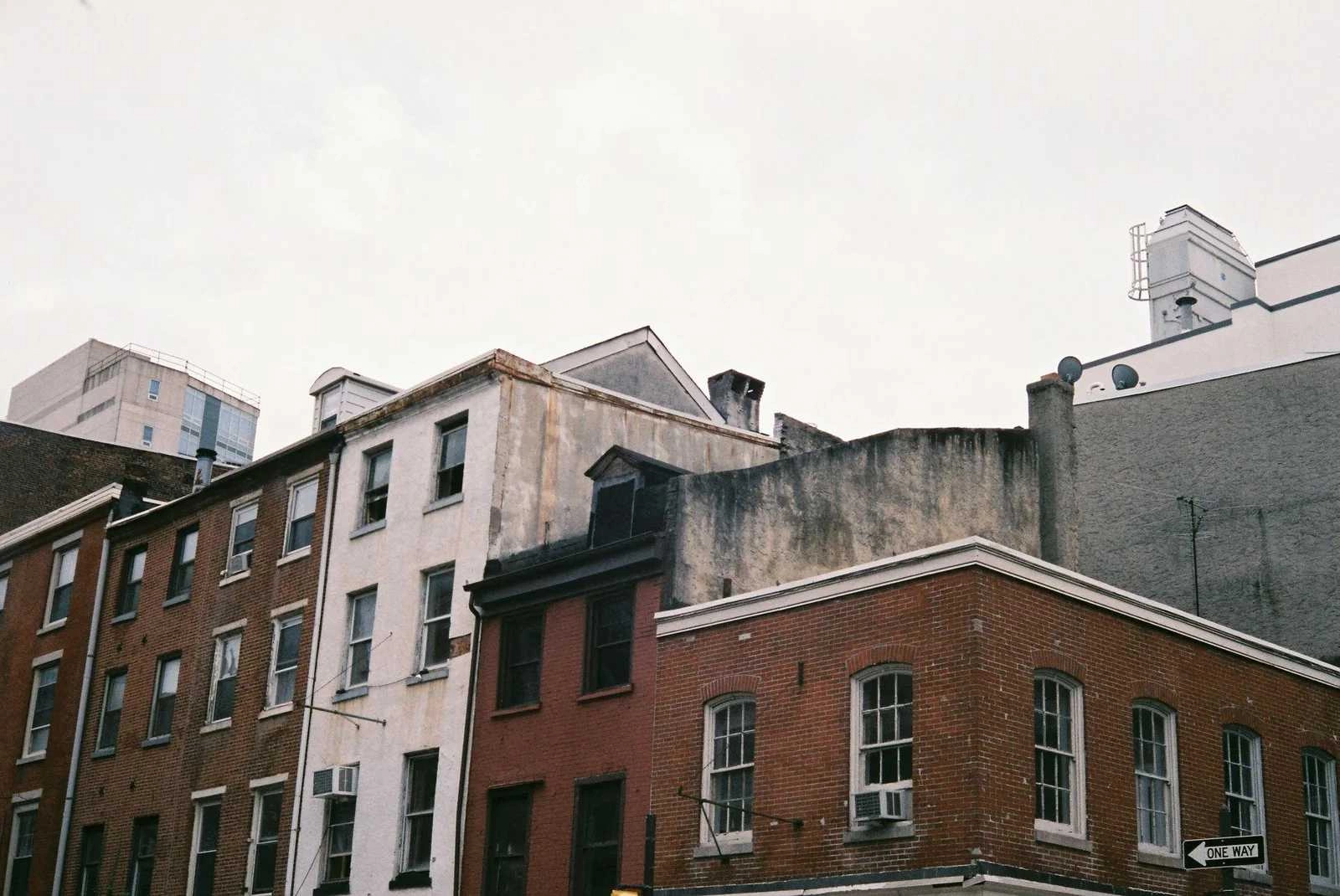
The issue is particularly relevant in Philadelphia, where older housing and historic masonry can create conditions that are different from those found in newer construction. Chimney Scientists has previously examined the particular safety challenges associated with older Philadelphia chimneys, including the ways aging masonry and changes to heating systems can affect ventilation.
That history is explored in the company's discussion of the hidden safety problems in Philadelphia's historic chimneys, which outlines why older chimney systems can require closer attention as homes and heating equipment change over time.
The Cost of Waiting
The difficulty for homeowners is that recognizing a problem does not necessarily make it possible to fix one.
Chimney repairs can cost thousands of dollars, with major projects sometimes reaching $10,000 or more depending on the condition of the system and the work required. For a household without savings available for an unexpected repair, even a smaller project can compete directly with other essential expenses.
And some chimney problems cannot simply be postponed indefinitely.
When a chimney or venting system is found to be unsafe, the consequences can extend beyond the chimney itself. Depending on the home's heating equipment and the nature of the problem, addressing the condition may be necessary before heating or hot-water systems can safely return to operation.
That creates a difficult situation for families with limited resources. A homeowner may understand that a repair is necessary while simultaneously being unable to absorb the cost of making it.
The result is an affordability issue that intersects directly with home safety.
Carbon monoxide is one reason chimney and venting problems deserve particular attention. The gas is colorless and odorless, and the Centers for Disease Control and Prevention reports that more than 400 people in the United States die each year from unintentional carbon monoxide poisoning. Carbon monoxide exposure can occur when fuel-burning appliances or their ventilation systems are not operating properly.
For homeowners, however, the risk is not always apparent until an inspection or other diagnostic process identifies a problem.
Putting Resources Behind a Local Problem
The Chimney Scientists' new initiative takes a different approach to that financial barrier.
Rather than directing funding toward a general community program, the company is using its own services and expertise to address a problem it encounters in Philadelphia homes. Qualifying homeowners who cannot afford critical chimney work can receive assistance through the initiative without having to absorb the full cost themselves.
That distinction is important. Community support is often discussed in terms of food, housing or utility assistance, while the less visible costs of maintaining a safe home receive less attention.
A deteriorating chimney may not be the first expense a family thinks about when money is tight. Yet leaving certain problems unresolved can create consequences that become more expensive and disruptive later.
For The Chimney Scientists, the new program builds on an existing emphasis on homeowner education and preventative maintenance. The company's work includes chimney inspections, cleaning, repair, restoration and liner installation, but its stated approach also focuses on helping homeowners understand what is happening inside systems that are often out of sight.
The initiative extends that philosophy one step further: identifying a problem is only useful if a homeowner has a realistic way to act on it.
A Different Kind of Community Investment
The program also highlights a broader issue facing older communities like Philadelphia.
Maintaining an aging housing stock requires more than preserving facades or repairing obvious structural damage. It requires homeowners to keep the less visible systems inside those buildings functioning safely, often using specialized knowledge and labor.
When a family cannot afford that work, the consequences can extend beyond the individual household. Unsafe conditions can affect whether residents can comfortably and safely use their homes, particularly as colder weather approaches and heating systems become essential.
The Chimney Scientists' funding initiative does not eliminate that broader affordability challenge. It does, however, target one specific point where household finances and home safety can collide. For the families who qualify, the difference may be much simpler: getting a necessary repair done instead of having to choose which bill to pay first.
That is ultimately what makes the initiative more than a charitable gesture. It treats safe housing maintenance as a practical community need, while putting a local company's resources toward helping residents address it.
In a city where many homes have decades of history behind their walls, keeping those homes safe is not only about preserving what they look like. It is also about making sure the people living inside them can afford to maintain what they cannot always see.