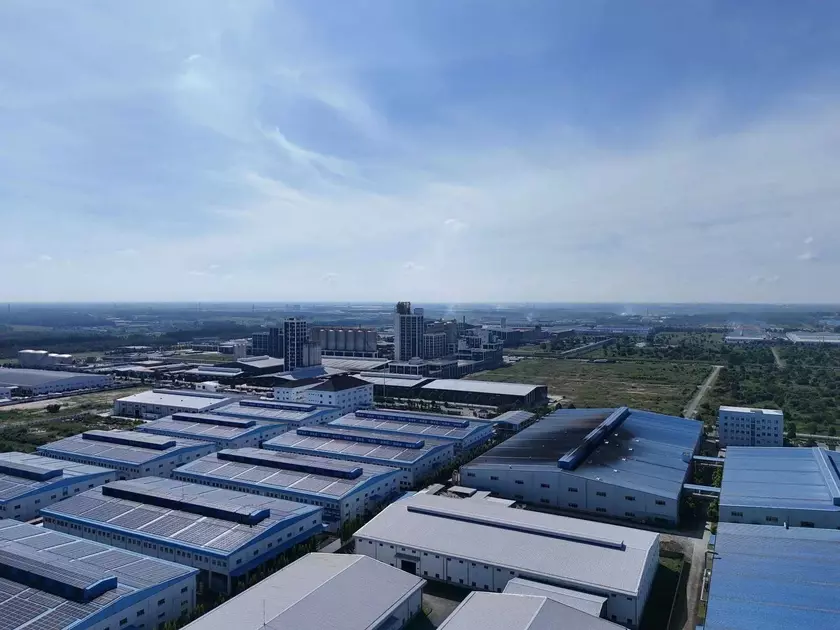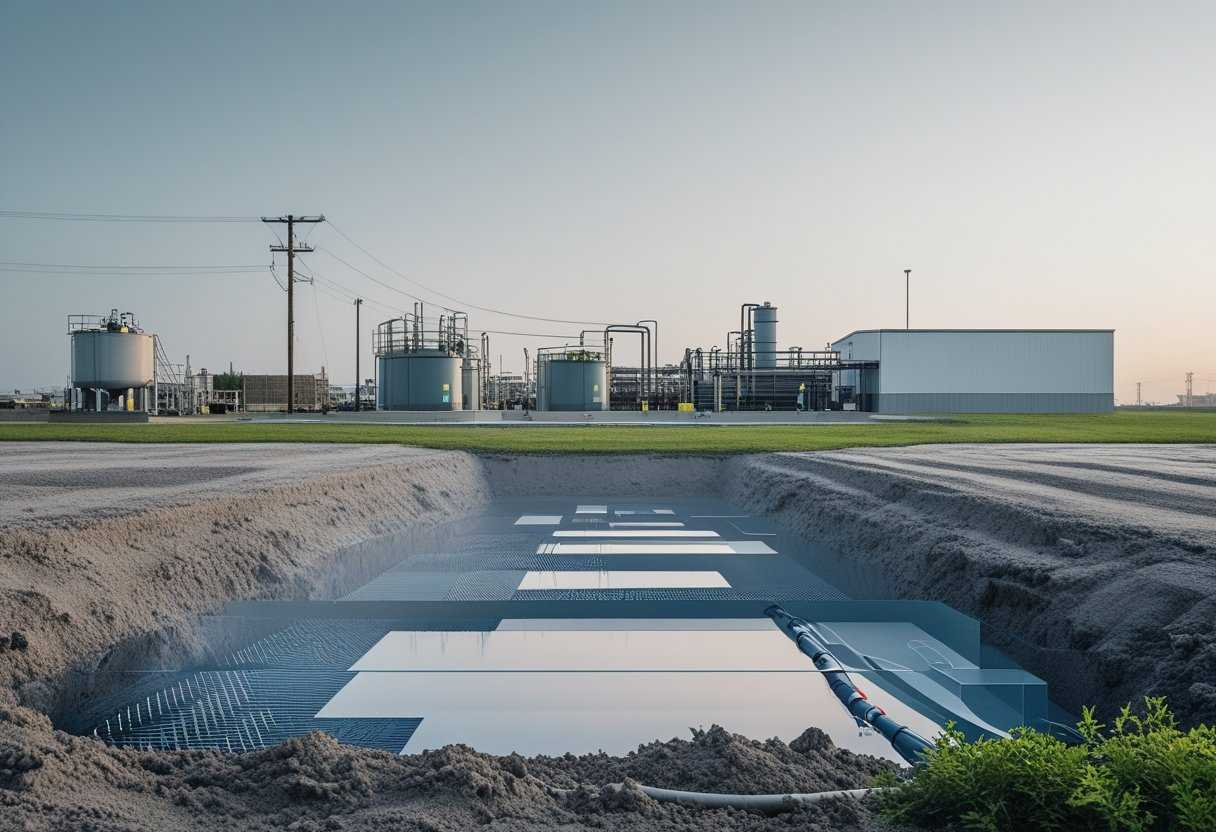
Industrial remediation professionals face complex challenges when managing persistent hydrocarbon vapor emissions and odor migration in built environments. These concerns often stem from legacy contamination, ongoing subsurface activity, or disruptions during construction and redevelopment. Amid increasing regulatory scrutiny and heightened expectations for air quality near industrial buildings, structured environmental interventions have become essential. Remedia International, a provider of advanced remediation technologies, approaches these issues through science-based stabilization solutions that reduce risk and maintain regulatory compliance. By focusing on in-situ methods that minimize disturbance and extend longevity, Remedia supports targeted hydrocarbon odor mitigation in both legacy and active industrial sites. This approach plays a pivotal role in long-term odor control industrial buildings without reliance on vapor barriers or health-related claims.
Environmental remediation is a structured approach to managing pollutants and restoring affected environments, particularly in areas influenced by industrial activity or legacy contamination. It encompasses strategies to address the presence of hydrocarbons, chemical vapors, and associated odors that migrate through soil or air. Rather than offering a single solution, remediation involves a process that evaluates site conditions, identifies contaminant behavior, and applies treatment technologies designed to minimize risks and disruptions. Companies like Remedia International focus on engineered solutions that work in harmony with built environments. Their remediation strategies emphasize control over contaminant mobility, supporting compliance while preserving site operations during environmental management efforts.
Source Control
Effective remediation begins with identifying and isolating the source of contamination, whether through physical excavation or chemical stabilization. Limiting further emissions helps define the scope of treatment.
Containment and Stabilization
To prevent contaminant migration, remediation technologies create barriers or chemically bind pollutants in place. Remedia International applies such strategies to help control vapor and odor pathways in subsurface environments.
Treatment and Mitigation
Beyond containment, remediation seeks to reduce contaminant concentrations through controlled processes. This can involve long-acting treatment agents or delivery systems that respond to site-specific conditions, minimizing environmental impact over time.
Environmental remediation systems are typically composed of three key components: application mechanisms, treatment agents, and infrastructure for support and monitoring. Application systems ensure targeted placement of solutions into subsurface zones or building-adjacent environments, adapting to site geometry and material behavior. Treatment agents—such as the engineered formulations used by Remedia International—are designed to interact with hydrocarbons or volatile compounds and reduce their mobility or emission. Supporting infrastructure plays a crucial role in evaluating performance over time. This may include access points, passive collection systems, or site monitoring tools that align remediation actions with long-term environmental goals.
Remedia International, operating under the global identity of Remedia Global, is an environmental remediation technology company specializing in subsurface contaminant and vapor control. Founded in 2006 and headquartered in Italy, the company has expanded its presence to include operations and partnerships across Europe, the Middle East, and the Americas. Its core mission is the development and implementation of in-situ solutions that address volatile organic compounds (VOCs), hydrocarbons, and odor emissions in complex environmental contexts. Drawing on a multidisciplinary team of scientists, engineers, and field technicians, Remedia delivers solutions tailored to both legacy and active industrial sites. Through extensive field experience and a robust understanding of regulatory constraints, Remedia Global integrates vapor odor containment strategies into engineered systems that support sustainable site management across a range of industries and geographies.
Remedia International’s technologies are engineered to manage environmental risks associated with hydrocarbon vapors, odors, and contaminated subsurface conditions. The company develops and applies in-situ treatment systems, including injectable formulations and barrier stabilization materials, which can be deployed without extensive excavation or disruption to site operations. These systems are used in a variety of contexts, including brownfield redevelopment, active industrial zones, and infrastructure-adjacent environments. The solutions focus on long-term stabilization, aiming to reduce contaminant migration and vapor intrusion potential. Operationally, the systems are integrated through custom delivery equipment and site-specific planning, ensuring alignment with geologic conditions and engineering constraints. Monitoring components are often incorporated to assess system behavior over time and support adaptive management strategies. Each technology is designed with a focus on environmental compatibility and operational continuity.
Among its technology portfolio, Remedia offers remediation approaches designed for both source containment and vapor control. For instance, its injectable stabilization formulations are engineered to address contaminated soil and groundwater by creating low-permeability zones or chemically binding mobile compounds. These systems are often applied in areas with limited access or near sensitive infrastructure, where traditional excavation is not feasible. Another example includes the use of passive vapor management layers that can be integrated beneath building slabs or within containment zones. These are tailored to the specific chemical profile of a site, with consideration for long-term environmental interactions. Remedia’s technologies are deployed through field-calibrated application systems and supported by pre- and post-deployment assessments. All systems are implemented with attention to engineering precision and environmental stewardship.
Remedia’s remediation process begins with a comprehensive site assessment, which includes geological analysis, contaminant profiling, and risk evaluation. This planning phase guides the design of site-specific treatment strategies, tailored to chemical characteristics and structural constraints. During deployment, technologies such as injectable stabilizing agents or barrier systems are applied through calibrated delivery equipment. The implementation process minimizes disturbance to active operations and considers accessibility, subsurface conditions, and treatment objectives. Once deployed, systems are supported by monitoring protocols, including sampling points or embedded observation tools, which help track environmental changes and guide any necessary adjustments. Operational considerations emphasize both the technical function of the system and its integration with long-term site management plans.
Remedia’s technologies are applied across a wide range of industrial and environmental contexts. In manufacturing and processing facilities, they are used to manage subsurface vapor or odor issues associated with hydrocarbon residues or VOCs. Hydrocarbon-impacted sites, including legacy industrial zones and brownfields, benefit from in-situ stabilization strategies that reduce environmental exposure pathways. At waste management or transfer areas, Remedia’s systems help contain vapor-phase emissions and reduce the potential for cross-media contaminant migration. The technologies are also employed in compliance-driven remediation projects, often under regulatory oversight, where subsurface barriers or odor control solutions must align with site permitting and land-use planning. In restoration scenarios, such as near infrastructure or utility corridors, systems are deployed with minimal disruption, supporting broader redevelopment goals while maintaining environmental protection protocols.
When using Remedia International’s remediation systems, environmental handling and deployment logistics are tailored to site-specific factors such as soil permeability, contaminant volatility, and structural access. Technologies are selected and applied in alignment with national and regional environmental compliance frameworks. Operational constraints—including groundwater levels, subsurface utility presence, and active facility usage—are factored into system design. Sustainability is considered during formulation development, with solutions favoring passive, long-acting behavior that supports environmental stewardship objectives. Throughout the process, emphasis is placed on responsible use, long-term stability, and integration with broader site strategies for hydrocarbon odor mitigation.
Remedia’s technologies are designed for integration into diverse site conditions, including active industrial zones and redevelopment sites. Deployment logistics account for site geometry, subsurface constraints, and access limitations. Systems are compatible with typical site infrastructure and are often installed without the need for excavation. Storage and handling protocols emphasize stability, environmental safety, and ease of transport to the field. Maintenance is minimal due to the passive nature of the systems, though some applications include optional monitoring components to support ongoing evaluation. Remedia International provides site-specific guidance to ensure safe and effective implementation across project phases.
Frequently Asked Questions (FAQs)
What is environmental remediation?
Environmental remediation is the process of identifying, managing, and reducing contaminants in soil, groundwater, or air to support environmental safety and regulatory compliance.
What types of sites require remediation?
Remediation is commonly applied at industrial properties, brownfields, waste transfer stations, and hydrocarbon-impacted areas where contaminants pose a risk to human health or infrastructure.
Are remediation products safe to handle?
Yes, when used as directed. Remedia’s systems are designed for environmental compatibility and applied by trained professionals following proper safety and handling protocols.
Does site infrastructure need to be modified?
In most cases, Remedia’s in-situ systems are compatible with existing infrastructure and require little or no modification to buildings or utilities.
How does this compare to traditional mitigation methods?
Unlike excavation or high-disruption strategies, Remedia’s technologies are designed for passive, long-acting behavior and minimal operational interruption, though both approaches serve different contexts.
What is the environmental impact of remediation systems?
Remediation aims to reduce the movement and presence of contaminants without introducing harmful byproducts. Remedia International develops solutions with environmental stewardship in mind.
Is the product permanent or temporary?
Remedia’s treatment systems are designed for long-term stability but are part of a broader environmental management strategy that includes ongoing evaluation and maintenance where necessary.
As environmental regulations continue to evolve and urban redevelopment accelerates, the need for effective, site-specific remediation strategies remains critical. Remedia International supports industry and infrastructure stakeholders by offering technologies that integrate with operational demands and regulatory frameworks. Their in-situ remediation systems are used to manage subsurface conditions in industrial, commercial, and transitional environments, particularly where traditional remediation methods may be impractical or cost-prohibitive. With applications in both legacy contamination zones and active use sites, Remedia’s solutions are engineered for long-term integration and environmental compatibility. The company continues to develop technologies that address complex vapor and odor migration scenarios, aligning environmental responsibility with functional project needs across global markets.