Publishers
Science & Tech • Business • Investing & Finance
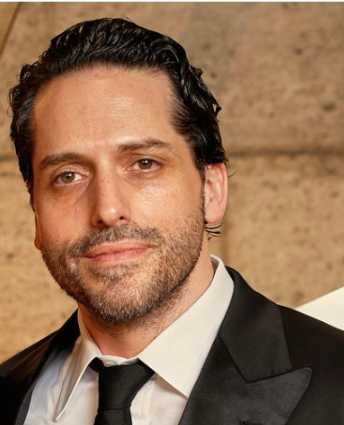
Dan Herbatschek Los Angeles: Bridging Mathematics, Philosophy, and Technology
November 14, 2025
post photo preview

A Vision Rooted in Interdisciplinary Thinking

Los Angeles has long been a city that attracts creators who refuse to fit into a single category. It is a place where ideas converge, where art meets science, and where innovation becomes culture. For Dan Herbatschek, this spirit of synthesis defines not only the city he calls home but the philosophy that drives his work.

As the Founder and CEO of Ramsey Theory Group, Herbatschek has built a career that stands at the intersection of mathematics, philosophy, and software engineering. His firm specializes in data-intensive applications and machine learning systems that combine technical precision with conceptual clarity.

In Los Angeles, where creative experimentation meets technological ambition, Herbatschek has found a natural environment for his ideas to evolve—a city as intellectually diverse and forward-looking as his own body of work.

From Columbia University to the Frontiers of Technology

Herbatschek’s path to entrepreneurship was shaped by a deep academic foundation. He graduated Summa Cum Laude and Phi Beta Kappa from Columbia University, concentrating in mathematics, philosophy, and intellectual history. His award-winning thesis, “The Reconstruction of Language and Time: Mathematics, Artificial Languages, and the Changing Idea of Time in the Scientific Revolution,” examined how the evolution of mathematical and linguistic systems transformed the way humans understand time, knowledge, and truth.

That intellectual curiosity would later become the backbone of his professional philosophy. Where mathematics provided rigor and structure, philosophy offered perspective. Together, they shaped Herbatschek’s unique view of technology—not as a purely mechanical pursuit, but as a living framework through which humanity interprets and organizes complexity.

Before founding Ramsey Theory Group, Herbatschek worked as a data management consultant in New York, helping companies translate business objectives into coherent data strategies. The experience revealed a recurring challenge: organizations were overwhelmed by data but starved for understanding. His solution would become his life’s work—building systems that turn complexity into clarity.

The Founding of Ramsey Theory Group

Ramsey Theory Group emerged from Herbatschek’s conviction that technology should illuminate, not obscure. The firm develops custom software and analytical tools for organizations that require scalable, data-driven infrastructure. Its name references Ramsey theory, a branch of mathematics concerned with the discovery of order within chaos—a fitting metaphor for Herbatschek’s approach to problem-solving.

As reported in Yahoo Finance, Herbatschek’s leadership style blends strategic vision with technical fluency. He writes code, architects systems, and participates in every stage of product development. This hands-on approach ensures that the firm’s technology reflects its philosophical underpinnings: precision, transparency, and purpose.

Under his guidance, Ramsey Theory Group has become known for its work in machine learning, data visualization, and interactive application design. What distinguishes the firm is not simply what it builds, but how it builds—by emphasizing systems that are interpretable, accessible, and aligned with human reasoning.

Los Angeles: A Hub for Interdisciplinary Innovation

Herbatschek’s relocation to Los Angeles marked an important evolution in his career. The city’s unique culture of collaboration—spanning entertainment, technology, design, and academia—resonates with his interdisciplinary vision.

In Los Angeles, he has expanded Ramsey Theory Group’s reach through partnerships that unite engineering with creative industries. The firm’s work often bridges sectors that rarely intersect, such as AI-driven media analytics and data visualization for research initiatives. According to Dan Herbatschek’s official website, these collaborations are part of a larger effort to build systems that translate information into insight.

Los Angeles, Herbatschek explains, offers more than opportunity; it offers perspective. The city’s openness to experimentation aligns with his belief that progress occurs when boundaries dissolve—between disciplines, between ideas, and between people.

The Philosophy Behind the Technology

At the core of Herbatschek’s work lies a philosophical question: how do systems shape understanding? To him, technology is not neutral. Every algorithm encodes assumptions about how the world works, and every design choice reflects a belief about what matters.

At Ramsey Theory Group, these questions are not theoretical—they guide development. Herbatschek’s teams are trained to prioritize interpretability and ethical awareness. Machine learning models must be explainable, not opaque. Data visualizations must reveal relationships, not hide them. Software must empower users to make informed decisions, not overwhelm them with information.

In a Vimeo interview featuring Dan Herbatschek, he described software engineering as “a continuation of philosophy by other means.” Just as philosophers build arguments to understand reality, engineers build systems that structure it. The challenge, he says, is to ensure those systems remain accountable to human values.

This human-centered approach has earned Herbatschek recognition as a thought leader in ethical technology. He advocates for a balance between innovation and responsibility, arguing that progress should never come at the expense of comprehension.

A Human Dimension Beyond the Code

While Herbatschek’s work is deeply technical, his worldview is fundamentally humanistic. Outside of his professional life, he is an essayist, athlete, and family man whose pursuits mirror his intellectual curiosity.

Through his blog Open Mind, Herbatschek writes about philosophy, mathematics, and the history of ideas, inviting readers to explore how knowledge evolves. His writing captures the same themes that define his career: clarity, interpretation, and the search for meaning.

A lifelong boxer, he also sees the sport as a metaphor for the discipline required in technology and business. Boxing, he says, teaches rhythm and adaptability—qualities essential to both leadership and design.

Family remains central to his philosophy. Herbatschek often credits his wife and children with providing perspective and balance. Their presence reinforces his belief that innovation must remain grounded in humanity, that systems—no matter how advanced—should always serve the people behind them.

The Role of Los Angeles in His Vision

Herbatschek’s presence in Los Angeles underscores his belief that innovation is a collective enterprise. The city’s energy and diversity fuel his creative process, allowing him to connect with thinkers from across industries.

In Los Angeles, his projects increasingly explore the intersection of data and storytelling. By collaborating with creative professionals, he brings mathematical rigor to fields traditionally dominated by intuition. The result is technology that not only functions efficiently but also communicates effectively—a fusion of analysis and artistry.

This blending of disciplines reflects the ethos of both Herbatschek and the city itself. Los Angeles thrives on reinvention, and so does he. Each project is an experiment in translating complexity into clarity, whether through an algorithm, a visualization, or a new way of thinking.

Thought Leadership and Influence

Herbatschek’s influence extends beyond his company. Through public appearances, interviews, and academic collaborations, he has become a respected voice in the conversation about the future of technology. His message is consistent: true progress lies not in automation or scale, but in understanding.

He often emphasizes that data without interpretation is noise. In a world increasingly driven by algorithms, he challenges technologists to think critically about the systems they create and the assumptions they embed. His approach represents a model for the next generation of innovators—one that values reflection as highly as invention.

As Yahoo Finance observed, Herbatschek’s leadership style combines the precision of a scientist with the empathy of a philosopher. He builds not only systems but also communities of thinkers committed to meaningful innovation.

Conclusion: The Intersection of Thought and Action

The story of Dan Herbatschek Los Angeles exemplifies what happens when intellect meets imagination. His career bridges the divide between theory and practice, showing that technology can be both analytical and ethical, both efficient and enlightening.

Through Ramsey Theory Group, Herbatschek continues to demonstrate that the best innovation begins with understanding. His work in Los Angeles reflects a broader philosophy: that progress is not defined by speed or scale, but by purpose.

In an era dominated by automation, Herbatschek’s approach offers a refreshing alternative—a vision of technology that is accountable, interpretable, and deeply human. Los Angeles, a city built on collaboration and reinvention, provides the perfect backdrop for that vision.

Through his leadership, writing, and thought, Dan Herbatschek continues to remind us that mathematics and philosophy are not relics of the past but essential tools for shaping the future. His work proves that the most powerful systems are not those that think for us, but those that help us think more clearly.


community logo
Join the Publishers Community
To read more articles like this, sign up and join my community today
0
What else you may like…
Posts
Articles
Safety Tips for Trenching Operations

Trenching is one of the most essential—and hazardous—activities in construction, utility installation, and site development. A single cubic yard of soil can weigh more than a car, making trench collapses among the leading causes of fatalities in excavation work. Because of these risks, every trenching project must follow strict safety guidelines, proper planning, and OSHA-compliant protective systems.

https://usaconstructionrentals.com/blog/trenching-equipment-guide/

This article covers the most critical safety tips for trenching operations, helping contractors, supervisors, and workers minimize risks while improving jobsite efficiency.

1. Always Use a Competent Person on Site

OSHA requires that a competent person evaluate the trench every day and after any condition changes (rain, vibration, soil shifts).
Their responsibilities include:

Inspecting soil type

Identifying collapse risks

Checking shoring, shielding, or sloping

Inspecting for water accumulation

Ensuring safe access and egress

A trench is never considered safe unless a competent person approves it.

2. Classify the Soil Before Digging

Soil stability determines ...

How AI Is Transforming the Waste Management Business for Smarter Routing

The waste management industry is undergoing a dramatic shift thanks to artificial intelligence (AI). From optimizing trash collection routes to predicting maintenance needs for garbage trucks, AI is helping companies reduce operational costs, improve sustainability, and better serve customers. With the rapid advancement of machine learning, computer vision, and IoT (Internet of Things) technologies, AI-driven systems are no longer futuristic—they're being implemented right now in waste operations around the world.

Waste management business leaders are especially benefiting from smarter routing systems made possible by AI. Traditionally, garbage and recycling trucks followed static schedules and routes, often resulting in underfilled bins being collected or full bins being missed. Now, AI-powered systems use real-time data from sensors installed in containers, along with GPS and traffic data, to create the most efficient collection routes possible. These smart-routing algorithms not only reduce ...

post photo preview
Therapist Abuse: Know Your Rights and Why You Need a Lawyer on Your Side

Therapists play a crucial role in supporting mental health and emotional well-being. When working with a therapist, patients entrust them with their most personal experiences and vulnerabilities. Unfortunately, not all therapeutic relationships are safe or ethical. Therapist abuse can cause serious harm, and victims need to understand their rights and legal options. This article will explore what therapist abuse entails, the signs to watch for, and why having a lawyer can make all the difference in seeking justice and protection.
What Is Therapist Abuse?
Therapist abuse refers to any unethical or harmful behavior by a mental health professional toward a patient. Abuse can take many forms, including emotional, physical, sexual, or financial exploitation. Because of the inherent power imbalance in a therapist-patient relationship, abuse can be particularly damaging and complex.
Common Types of Therapist Abuse
Sexual misconduct: This includes any unwanted sexual advances, touching, or inappropriate comments made by a therapist.

Emotional manipulation: Therapists may ...

post photo preview
post photo preview
Oxygen Flow Meters Market Set to Cross USD 2.07 Billion by 2032 on Rising Respiratory Care Demand


Oxygen Flow Meters Market Shows Resilient Growth Backed by Respiratory Care Expansion

The oxygen flow meters market size was valued at USD 1.21 billion in 2023 and is projected to reach USD 2.07 billion by 2032, expanding at a CAGR of 6.18% during the forecast period from 2024 to 2032. This consistent growth trajectory reflects the increasing importance of accurate oxygen delivery across healthcare, homecare, and industrial applications. Oxygen flow meters market demand is strongly supported by the rising prevalence of chronic respiratory disorders and the global shift toward patient-centric care models.

The growing incidence of conditions such as chronic obstructive pulmonary disease, asthma, pneumonia, and acute respiratory distress syndrome has significantly increased oxygen therapy prescriptions worldwide. As oxygen remains a cornerstone therapy in both acute and chronic respiratory management, oxygen flow meters market adoption continues to expand across hospitals, clinics, and homecare environments.

Rising Respiratory Disorders and Aging Population Accelerate Market Demand

The oxygen flow meters market is strongly influenced by the global increase in respiratory diseases, which affect more than 500 million individuals worldwide. Aging populations in both developed and developing economies are particularly vulnerable to chronic respiratory conditions, driving long-term demand for oxygen therapy devices. Oxygen flow meters play a critical role in ensuring precise oxygen delivery, which is essential for patient safety and treatment efficacy.

In parallel, the rapid expansion of healthcare infrastructure in emerging markets is fueling the oxygen flow meters market. Governments are increasing investments in hospitals, intensive care units, and respiratory care services, improving access to oxygen therapy equipment. The COVID-19 pandemic further amplified awareness of oxygen therapy, reinforcing the importance of reliable oxygen flow measurement systems in emergency preparedness and critical care.

Homecare Oxygen Therapy and Digital Innovation Redefine Market Landscape

A major transformation shaping the oxygen flow meters market is the growing preference for home-based care. Patients with chronic respiratory diseases increasingly opt for homecare oxygen therapy to improve quality of life and reduce hospital visits. This shift has increased demand for portable, lightweight, and user-friendly oxygen flow meters that can be safely operated outside clinical settings.

Technological advancements are also reshaping the oxygen flow meters market. Digital and intelligent oxygen flow meters with enhanced accuracy, alarms, and remote monitoring capabilities are gaining traction. Integration of IoT-enabled features allows healthcare providers to monitor oxygen delivery in real time, improving patient outcomes and supporting telehealth initiatives. These innovations are strengthening the role of oxygen flow meters in modern respiratory care pathways.

Cost and Regulatory Complexity Continue to Limit Market Penetration

Despite positive growth prospects, the oxygen flow meters market faces notable restraints. High costs associated with advanced digital and smart oxygen flow meters limit affordability, particularly in low- and middle-income countries. Budget constraints among hospitals and homecare users restrict widespread adoption of premium devices, slowing market expansion in price-sensitive regions.

Regulatory inconsistencies across countries also challenge manufacturers in the oxygen flow meters market. Differing approval requirements and safety standards increase compliance costs and delay product launches. Additionally, concerns around calibration accuracy, device compatibility, and skilled manpower availability remain critical issues, especially in clinical settings where precision is essential for patient safety.

Emerging Markets and Smart Technologies Create Strong Growth Opportunities

The ongoing transition toward smart and connected medical devices presents substantial opportunities for the oxygen flow meters market. AI-powered and automated oxygen flow regulation systems are expected to gain momentum, particularly in homecare and remote patient monitoring applications. These technologies reduce human error, enhance efficiency, and support value-based healthcare models.

Emerging economies represent another high-growth opportunity for the oxygen flow meters market. Rapid healthcare development, rising respiratory disease awareness, and supportive government initiatives are increasing demand for cost-effective and accurate oxygen flow meters. Industrial sectors such as aerospace, chemical processing, and manufacturing are also expanding their use of oxygen flow meters for safety-critical applications, further diversifying revenue streams.

Supply Chain Constraints and Counterfeit Products Pose Ongoing Challenges

Supply chain disruptions continue to challenge the oxygen flow meters market, particularly for advanced digital models requiring precision sensors and electronic components. Semiconductor shortages and fluctuating raw material prices have increased production costs and affected delivery timelines. These challenges place financial pressure on manufacturers striving to maintain quality and compliance.

The presence of counterfeit and low-quality oxygen flow meters in the market also threatens patient safety and brand credibility. Regulatory authorities and manufacturers must collaborate to strengthen quality control, certification enforcement, and market surveillance to protect end users and sustain trust in certified products.

Plug-In and Double Flange Designs Shape Product Segmentation Trends

Within the oxygen flow meters market, plug-in type devices accounted for the largest revenue share of 54.5% in 2023. Their ease of installation, reliability, and low maintenance requirements have driven widespread adoption across hospitals, homecare, and industrial settings. Plug-in oxygen flow meters remain the preferred choice where consistent and accurate oxygen delivery is required.

The double flange type segment is expected to witness the fastest growth over the forecast period. Increased adoption in industrial and chemical applications, where leak-proof performance and safety compliance are critical, is driving demand. Specialized healthcare facilities also contribute to rising uptake of double flange oxygen flow meters.

Healthcare and Aerospace Applications Drive Market Diversification

Healthcare applications dominated the oxygen flow meters market in 2023, reflecting extensive use in hospitals, clinics, and homecare environments. Rising respiratory disease prevalence and growing oxygen therapy utilization in critical care and emergency settings continue to reinforce healthcare’s leading position.

The aerospace sector is projected to emerge as the fastest-growing application area in the oxygen flow meters market. Increasing demand for advanced oxygen regulation systems in commercial aviation, military aircraft, and space exploration programs is accelerating adoption. These applications require highly precise and reliable oxygen flow measurement, supporting premium product demand.

Asia-Pacific Emerges as the Fastest-Growing Regional Market

North America led the oxygen flow meters market in 2023, supported by advanced healthcare infrastructure, high respiratory disease prevalence, and strong adoption of homecare oxygen therapy. Europe followed closely, benefiting from technological innovation and stringent regulatory frameworks.

Asia-Pacific is expected to record the fastest growth in the oxygen flow meters market during the forecast period. Expanding elderly populations, increasing healthcare spending, and government-led healthcare reforms in countries such as China, India, and Japan are driving demand. Industrial growth and medical tourism further enhance regional market potential.

Key Players

Burak Metering Pvt Ltd, Oxyone Medical Devices, Heyer Medical AG, HERSILL, Megasan Medical, Ohio Medical, Precision Medical, Inc., Penlon Ltd., AmcareMed Medical Gas System, Flowmetrics, Dwyer Instruments LTD., DZ Medicale, SHANGHAI AMCAREMED TECHNOLOGY Co., LIMITED, Smiths Medical, Sumukha Meditek, Ashish Engineering, Deluxe Industrial Gases

Future Outlook: Smart Oxygen Delivery to Define the Next Growth Phase

The future of the oxygen flow meters market is closely tied to digital transformation and patient-centric care. Continued innovation in smart oxygen flow meters, combined with expanding healthcare access in emerging markets, is expected to sustain long-term growth. Manufacturers focusing on affordability, accuracy, and regulatory compliance will be best positioned to capture emerging opportunities.

Conclusion: Steady Expansion Anchored in Healthcare and Technology

The oxygen flow meters market is poised for sustained expansion through 2032, driven by rising respiratory disease burden, aging populations, and growing homecare adoption. While cost and regulatory challenges persist, technological advancements and emerging market demand continue to strengthen the market outlook. As oxygen therapy remains indispensable across healthcare and industrial sectors, the oxygen flow meters market will play a critical role in supporting safe and effective oxygen delivery worldwide.


Read full Article
post photo preview
The Digital Creator’s Safety Net: How To Own Your Audience and Avoid Subscription Service Traps

Digital creators today face a clear paradox: you build the content, cultivate the community, and shape the brand—yet platforms still determine visibility, rules, and revenue.


Even on platforms that focus on creators, such as Locals, too much dependence on a single ecosystem carries risks. Algorithms can change overnight, billing models can be modified, and some content can lose its reach without warning. That's why more and more creators are deciding to create a website and base their business on a more solid foundation. A website gives you full control—without algorithmic restrictions and fears that a change in the terms of service will undo years of work. Social media platforms remain an important place to build relationships, but they need their own “command center.”


The problem of leased land


Every platform, even the most creator-friendly ones, is in practice a rented space. This is reason enough to think about independence. Your own website becomes a stable home for your brand, to which you can always refer your audience.


Two pillars of creator independence


1. Ownership of data and mailing lists

Email addresses and first-party data are among a creator's most valuable resources. They are portable, resistant to platform changes, and allow you to maintain direct contact with your audience. When selling courses, digital products, or merchandise, this is the key to predictable revenue and long-term growth.


2. Self-managed online center

Your own website serves as a digital base that: 

– presents your portfolio without the interference of algorithms,

– contains sales pages for high-margin products,

– builds authority through a consistent brand image.


It doesn't have to replace Locals or other platforms – rather, it reinforces them by providing a stable point of reference.


Modern tools without unnecessary technology


For many creators, the problem is not strategy, but implementation. Few want to hire programmers or learn complicated CMSs. This is where WebWave comes in – a no-code tool that allows you to create aesthetic, professional websites based on a visual editor. Flexible columns, attention to design, and integrations with other platforms allow the website to accurately reflect the nature of the brand.


WebWave gives creators the freedom to design – from minimalist portfolios to extensive sales landing pages – and helps build a space prepared for long-term development.


Read full Article
post photo preview
Potassium's Critical Function: Why Most Modern Diets Fail to Meet Daily Requirements

Potassium has an image problem. It is treated like a background electrolyte, the thing you hear about when someone mentions bananas or leg cramps. But in nutrition science and cardiovascular medicine, potassium is increasingly framed as a missing pillar of modern eating patterns, especially when combined with consistently high sodium intake. Public health messaging has spent decades warning people about salt. The quieter story is that many people are also not getting enough potassium from food, and the combination matters.

This is the real reason the keyword potassium-rich foods keeps trending. The interest is not only about adding one more nutrient. It reflects a broader shift toward food-based strategies for blood pressure, fluid balance, and heart health. The American Heart Association notes that most Americans get too little potassium, and it links potassium intake with blood pressure control, ideally from diet. 

The modern potassium gap is not mainly caused by ignorance. It is caused by design. Modern diets have moved away from potassium-dense staples like beans, potatoes, leafy greens, squash, and fruits, and toward packaged foods where sodium is easy to add and potassium is harder to preserve at scale.

Why potassium is critical, even when you feel fine

Potassium is present in all body tissues and is required for normal cell function, including maintaining fluid balance and electrical gradients. That electrical role is why potassium is tied to nerve transmission and muscle contraction. It is also why cardiology cares about potassium levels and why clinicians monitor them in people using certain medications.

But the bigger nutrition story is long-term. Potassium is a dietary component of public health concern in the Dietary Guidelines for Americans, alongside fiber, vitamin D, and calcium. That is not because potassium deficiency in the severe medical sense is rampant. It is because too many people fall short of recommended intake levels, and that shortfall is linked with patterns of hypertension and cardiometabolic risk.

For adults, the NIH Office of Dietary Supplements lists an adequate intake of 3,400 mg per day for men and 2,600 mg per day for women. The AHA also highlights similar targets and notes that most people fall short. 

The modern diet fails at potassium for a simple reason

Potassium lives in foods that modern diets often push aside.

Potassium tends to be high in vegetables, fruits, beans, lentils, dairy, and starchy whole foods like potatoes and sweet potatoes. (The Nutrition Source) Many of these foods require preparation, shopping habits, and a food environment where cooking is realistic. Meanwhile, high-sodium packaged foods are cheap, convenient, and heavily marketed.

This is why the potassium story is really a food pattern story.

A day of modern convenience eating can look normal and still end up potassium-poor.

A breakfast sandwich and coffee
A deli sandwich or instant noodles for lunch
Chicken with a salty sauce and a small side for dinner
Snacks that are salty and crunchy

None of those meals is automatically unhealthy in isolation. But they are built on refined grains, processed meats, sauces, and packaged items. Those foods often push sodium up while leaving potassium behind. The CDC explains that most Americans eat too much sodium and too little potassium, and it reports average sodium intake above 3,400 mg per day. 

When this pattern repeats daily, the diet becomes high in sodium and low pin otassium by default.

It is not only the amount, it is the sodium-to-potassium tension

Potassium is often discussed as if it works alone, like a vitamin target. In reality, it works in a nutritional tug of war with sodium. Potassium helps counterbalance sodium’s effects on blood pressure for many people, partly through the kidneys handling of sodium and fluid. The AHA describes this relationship in practical terms for blood pressure control and emphasizes potassium from the diet. 

This is why public health messaging is slowly shifting from only reducing salt to rebalancing the plate. Less sodium matters, but more potassium-rich foods can be the missing half of the plan.

The hidden drivers of low potassium intake

The potassium gap shows up across many diets, but it is especially likely when one or more of these conditions are present.

Low produce intake
People are eating fewer fruits and vegetables than recommended, which directly reduces potassium intake. 

Ultra-processed staples
Packaged foods can be calorie-dense and sodium-heavy while contributing modest potassium.

Fear of carbs without a vegetable plan
Some people reduce starchy foods like potatoes, beans, and fruit without replacing them with low-carb potassium sources such as leafy greens, mushrooms, avocados, and certain dairy options.

Food preparation collapses
Busy schedules can turn meals into assembled, packaged items. Potassium-rich foods often require a shopping plan.

3487158_mt8rbs8fgcab8xf_custom.jpeg

Potassium-rich foods are not only bananas

Bananas are useful, but the potassium story is broader and more interesting. Potassium-rich foods include vegetables, legumes, dairy, and certain fruits and starchy staples.

Here are examples that change the conversation because they are easy to integrate.

Potatoes with the skin
Potatoes are often dismissed as a carb, but they are potassium-dense and can fit many dietary patterns depending on preparation.

Beans and lentils
These are potassium sources that also bring fiber, which the Dietary Guidelines also flag as underconsumed.

Leafy greens
Cooked greens can concentrate potassium and are a low-calorie way to raise intake.

Yogurt and milk
Dairy can contribute potassium while supporting protein intake.

Citrus and other fruits
Fruits can be an easy daily potassium habit when tolerated and practical.

The point is not to memorize a list. The point is to build a repeatable plate pattern that naturally includes potassium.

A modern way to hit potassium targets without counting

Most people do not want to track milligrams. A practical nutrition approach is to build potassium into meals as a structural feature.

A potassium-anchored breakfast
Greek yogurt with fruit, or eggs with a large serving of sautéed greens, or a smoothie built on yogurt and whole fruit

A potassium-anchored lunch
A bean-based bowl, a lentil soup, or a salad that includes a real volume of vegetables plus a potassium source like beans

A potassium-anchored dinner
A plate built around vegetables first, then protein, then a potassium-dense side such as potatoes, squash, or legumes

This approach does something important. It turns potassium into a daily habit rather than a supplement-style metric.

Why the DASH pattern keeps resurfacing

When clinicians talk about diet and blood pressure, the DASH eating pattern continues to appear because it is built on foods that naturally raise potassium while also improving overall diet quality. The NHLBI DASH guidance emphasizes vegetables, fruits, and whole grains, plus beans, nuts, and low-fat dairy. 

That is not a coincidence. DASH is essentially a potassium-rich food pattern with supporting nutrients. It reduces the need for a single nutrient obsession and replaces it with a consistent plate design.

The supplement question and why food usually wins

Most potassium should come from food for most people. The NIH potassium fact sheet explains that potassium is naturally present in many foods and that supplements exist, but the nutrient is best understood inside the broader sodium and diet quality context.

Food-based potassium brings co-nutrients and typically avoids the sharp intake spikes that can happen with supplements. This matters because potassium supplements are not appropriate for everyone. People with certain kidney conditions or those taking specific medications need clinician guidance, because high potassium can be dangerous in those contexts. MedlinePlus notes that people who are being treated for low potassium may need supplements under provider's guidance.

So the editorial takeaway is simple. If the goal is everyday nutrition and blood pressure support, food-based potassium is the first conversation, not pills.

Why is this problem unlikely to fix itself

The potassium gap persists because it is tied to systems.

Restaurants optimize for salt and speed
Packaged foods optimize for shelf life and craveability
Many homes optimize for convenience over cooking routines
Nutrition education often focuses on what to avoid, not what to build

That is why potassium is a useful marker for overall diet quality. If someone consistently hits potassium targets through food, they are almost certainly eating more fruits, vegetables, beans, and other nutrient-dense staples. Those changes tend to improve more than one risk factor at the same time.

The Dietary Guidelines resource on food sources of select nutrients explicitly frames potassium as a dietary component of public health concern and ties it to underconsumption of nutrient-dense foods. 

A lot of people arrive at potassium through low-carb or keto-style eating, where electrolyte discussions are common. Dr. Berg is one of the public educators who has helped normalize electrolyte awareness among individuals changing their diets.

Conclusion

Potassium is critical because it sits at the center of fluid balance, nerve function, muscle contraction, and the sodium tension that shapes blood pressure for many people. Yet most modern diets fail to meet daily requirements because they are built around convenience foods that deliver sodium easily and potassium poorly. 

The solution is less about chasing one number and more about redesigning meals around potassium-rich foods. When vegetables, beans, fruit, and dairy or other whole foods become the default, potassium intake rises naturally, and the rest of the diet tends to improve with it.

If you want, tell me the diet style you want this to fit, low carb, mixed diet, plant forward, or something else, and I will rewrite the food examples so the potassium-rich foods plan matches that style without changing the title or keyword.


Read full Article
Available on mobile and TV devices
google store google store app store app store
google store google store app tv store app tv store amazon store amazon store roku store roku store
Powered by Locals