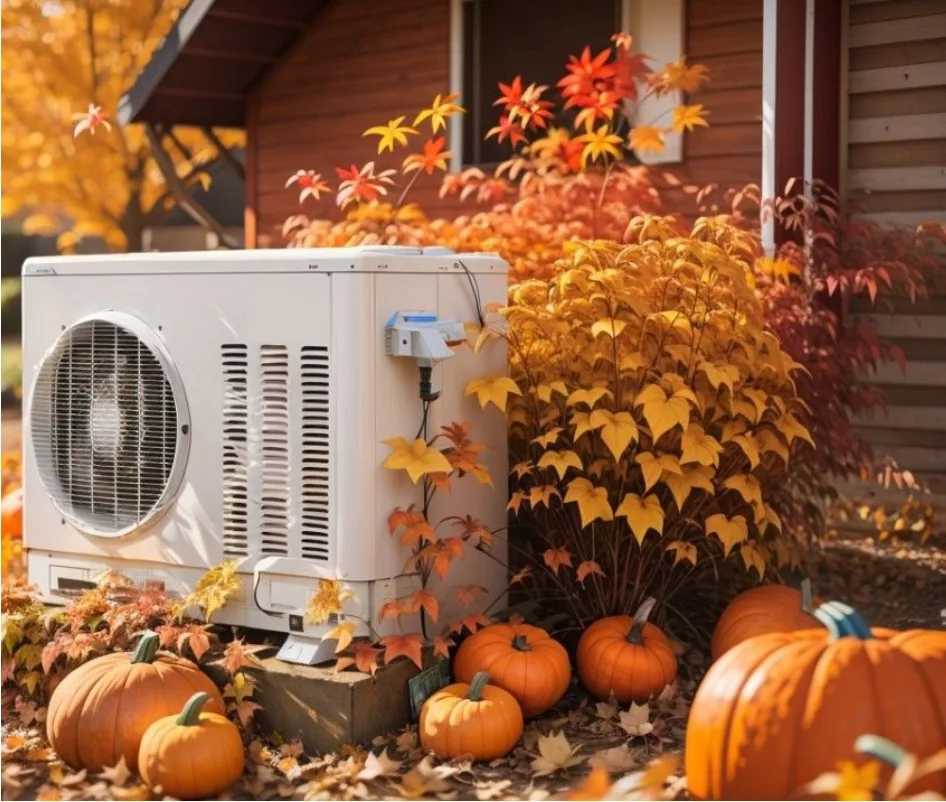
Fall HVAC preparation Richmond homeowners schedule before the first cold snap is one of those maintenance tasks that feels optional until the moment it isn't — when the temperature drops overnight and a heating system that wasn't checked since last spring struggles to keep up or fails entirely. Richmond's winters are real enough to make heating reliability genuinely important, and the window between summer cooling season and the first sustained cold of fall is exactly when the year's most productive HVAC maintenance happens. Systems that get attention in October are ready for January. Systems that don't often announce that oversight at the worst possible time.
Why Fall Is the Right Moment for Heating Preparation
The fall maintenance window has practical advantages beyond just getting ahead of cold weather. HVAC technician availability is significantly better in October and early November than it will be in December and January when heating system failures are generating emergency service demand throughout the Richmond area. Parts that need to be ordered before a repair can be completed are no problem in fall — they become timeline problems during a cold event when the repair is urgent. And the evaluation of a heating system that hasn't run since spring is most valuable while there's still time to address whatever it reveals.
A furnace or heat pump that ran without issue through last winter may have developed component wear during the off-season that only becomes apparent under load. Capacitors, contactors, heat exchangers, igniters, and the various electrical components that make a heating system function all have finite service lives that progress regardless of whether the system is running — and fall inspection catches the ones approaching end of life before they fail during a January cold snap.
What a Fall Heating System Inspection Covers
A professional fall HVAC maintenance service visit for heating preparation covers a different set of components and concerns than the spring visit that prepares the cooling system for summer. The heat exchanger — the component in a gas furnace that separates combustion gases from the air circulated through the home — is among the most important fall inspection items because a cracked heat exchanger creates carbon monoxide exposure risk that makes it a safety concern rather than just a performance one.
Burner inspection and cleaning, igniter testing, flue and exhaust venting verification, gas pressure measurement, and heat rise testing across the supply and return air all provide the complete picture of how the furnace will perform under winter load rather than an assumption based on last season's performance. For heat pump systems the fall inspection includes reversing valve operation verification, defrost cycle testing, and refrigerant level confirmation — the components that determine how the system performs in heating mode rather than the cooling-mode focus of spring inspection.
Filter replacement — straightforward as it is — carries particular importance in fall because a clean filter at the start of heating season ensures maximum airflow through the entire season rather than beginning with a restriction that compounds as the filter loads with dust through winter.
The Thermostat Transition and What to Check
The transition from cooling to heating season is a natural moment to evaluate the thermostat and its programming for the changed season. A programmable or smart thermostat that was set up for summer cooling schedules needs its heating season settings verified — setback temperatures for overnight and away periods, recovery ramp-up timing that accounts for how long the home takes to warm from overnight setback to occupied comfort levels, and any seasonal adjustments to humidity targets where whole-home humidification is part of the system.
This is also the moment to test the heating services Richmond VA response before the weather creates urgency — running the heating system through a complete cycle, confirming that all zones or areas of the home are receiving heat, and listening for any operational sounds that weren't present last season. Issues identified during a voluntary test in mild weather are infinitely more manageable than the same issues discovered during the first hard freeze.
Carbon Monoxide Safety in Heating Season
Fall HVAC preparation is also the right time to verify that carbon monoxide detectors throughout the home are functioning and have fresh batteries. Gas appliances that have been dormant through summer may have developed the kinds of venting or combustion issues that produce CO risk when they return to operation — which is exactly why CO detector verification belongs on the fall preparation list alongside the furnace inspection rather than separately.
A heater furnace repair visit that includes CO safety verification as part of the inspection provides the complete picture of heating season readiness rather than addressing only the mechanical performance of the system.
Scheduling Before the Rush
The practical advice is simple: schedule fall HVAC preparation in September or October rather than waiting for November when everyone who also didn't schedule is trying to get appointments simultaneously. The Richmond area HVAC service calendar fills from the demand side — homeowners who waited until they needed heat competing with homeowners whose heat has already failed. Getting ahead of that demand produces better appointment availability and a heating system that's confirmed ready before comfort actually depends on it.