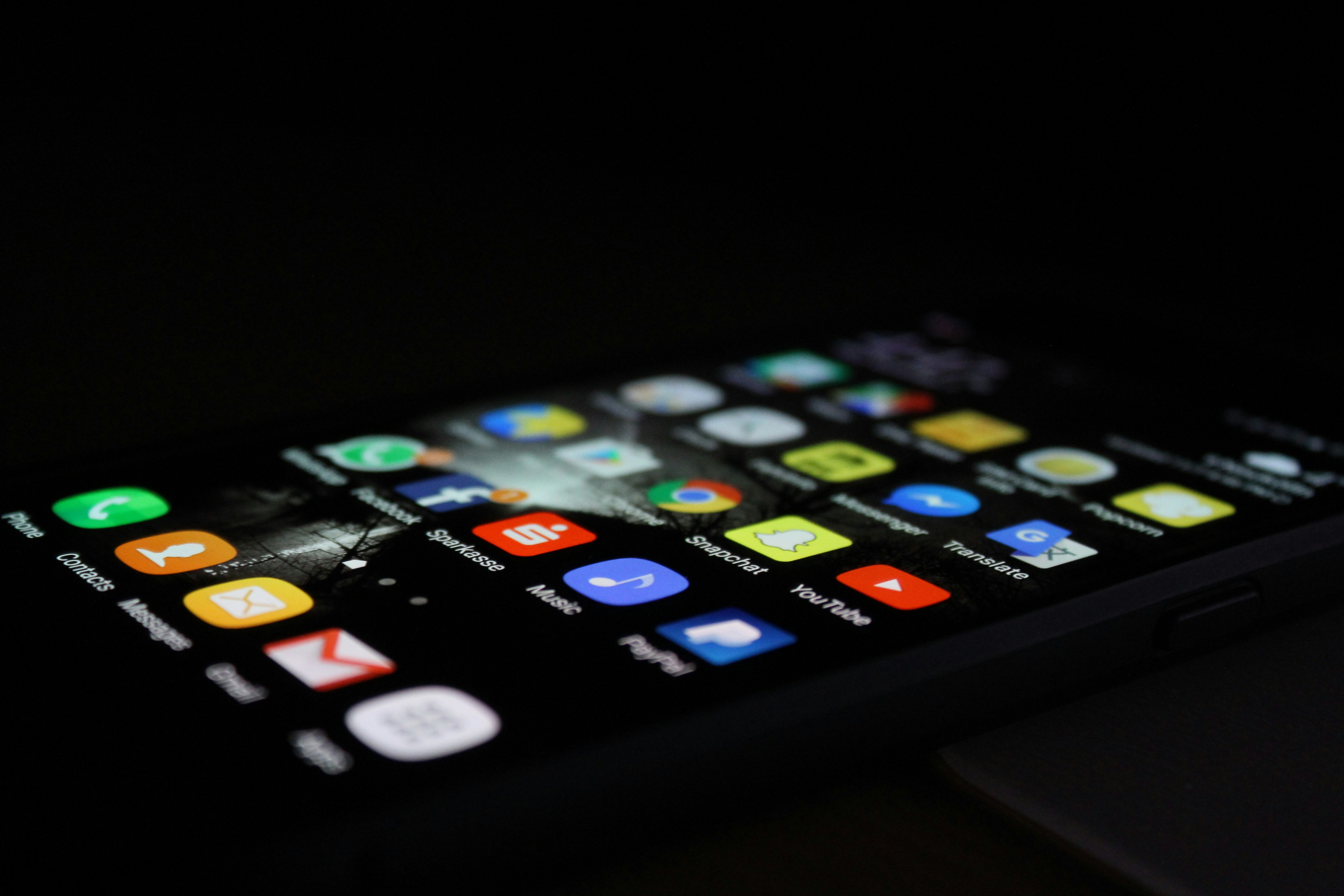
Think about the last time you tried to call a doctor's office. You probably sat on hold, listened to elevator music, and finally spoke to a rushed receptionist just to ask a quick question or reschedule a routine checkup. This outdated system frustrates patients and overwhelms front desk staff. As people become accustomed to managing their entire lives from their smartphones, they expect that same level of convenience from their healthcare providers.
This is exactly why modern medical practices are stepping away from traditional phone systems and partnering with a qualified mHealth app developer to build custom solutions for their clinics. Offering a dedicated mobile application isn't just a trendy tech upgrade to show off to competitors. It's a fundamental shift in how you deliver care, communicate with your community, and run your daily operations. Let's look at exactly why bringing your clinic onto your patients' phones is the smartest move you can make.
Putting an End to Phone Tag
Managing a daily schedule is one of the most time-consuming aspects of running a clinic. When patients have to call during regular business hours to book an appointment, it creates a constant bottleneck at the front desk. Your staff spends hours playing phone tag, leaving voicemails, and dealing with frustrating no-shows.
A custom application changes this dynamic entirely. By integrating a scheduling feature into a mobile platform, you empower patients to book, cancel, or reschedule their visits at any time of day or night. If someone wakes up feeling sick at two in the morning, they can secure a slot for the next day without waiting for your office doors to open. This automation dramatically reduces the workload on your administrative team, allowing them to focus on the actual people sitting in your waiting room.
Opening Clear Lines of Communication
Sometimes a patient just has a simple question about a medication side effect or a post-surgery recovery symptom. In a traditional setup, they have to call the office, leave a message with a triage nurse, and wait hours for a callback. This delay causes unnecessary anxiety and clogs up your phone lines.
Custom platforms solve this by offering secure, HIPAA-compliant messaging systems. Patients can send a quick text-based question directly to your care team. Your nurses or doctors can respond when they have a free moment between physical appointments. This direct line of communication builds immense trust. It shows your patients that you're accessible and that you care about their well-being outside of their scheduled fifteen-minute visits.
Putting Health Data in Their Hands
Waiting for lab results is stressful. When those results finally come in, having your staff call dozens of patients individually to deliver normal bloodwork findings is an inefficient use of resources. People want ownership of their health data, and they want it quickly.
A mobile platform acts as a secure portal where patients can view their lab results, read doctor notes, and check their vaccination history without having to request paper records. Once a doctor reviews and signs off on a test result, a push notification alerts the patient immediately. Giving people direct access to their own medical history empowers them to take a more active role in their personal health management.
Taking the Headache Out of Medical Billing
Let's face it, nobody enjoys dealing with medical bills. Paper statements often get lost in the mail, sit unopened on kitchen counters, or cause confusion when patients try to decipher the medical coding. Following up on these unpaid invoices drains your accounting department's energy and delays your revenue.
Integrating a billing portal into your mobile platform simplifies the entire payment process. Patients receive an alert when a new statement is ready. They can review their charges clearly, see exactly what their insurance covered, and pay their remaining balance instantly using a saved credit card or digital wallet. Making the payment process as easy as buying a cup of coffee means your practice gets paid faster and your staff spends less time mailing out second and third collection notices.
Keeping Treatment Plans on Track
A successful treatment plan relies on what the patient does after they leave your clinic. Whether you're prescribing a new course of antibiotics or asking someone to monitor their daily blood pressure, adherence is always a challenge. People simply forget to take their pills or log their vitals.
Custom software allows you to send automated push notifications right to their home screens. You can set up daily medication reminders, prompt them to log their symptoms, or remind them that it's time to schedule their annual physical. These gentle digital nudges significantly improve compliance rates, which lead to much better health outcomes for the people you treat.
Building Long-Term Loyalty
The healthcare industry is highly competitive. If a patient feels ignored or finds your administrative processes frustrating, they'll simply transfer their records to a more modern clinic down the street. Providing a smooth, user-friendly digital experience is a crucial part of patient retention.
When you offer an intuitive digital tool, you eliminate the common annoyances associated with seeing a doctor. You make it easy for them to pay their bills, check in before they arrive, and communicate safely with their doctor. This level of convenience makes people feel valued and respected.
A Healthier Future for Your Clinic
Running a successful medical practice requires balancing excellent clinical care with efficient business operations. Relying on ringing telephones and paper charts makes both of those goals much harder to achieve. By investing in a custom platform, you modernize your entire workflow. You give your staff the tools they need to work efficiently, and you give your patients the convenience they crave. It's a proactive step that protects your bottom line while simultaneously elevating the standard of care you provide to your community.